

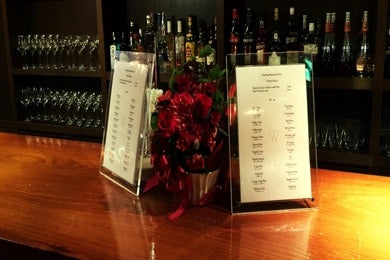
Types of menu in restaurant (with examples): guide for 2026
Common types of menus include à la carte (individually priced items), static (doesn't change), cycle (rotates on a schedule), du jour (daily special), and fixed/prix fixe (set price for a set meal). Other types include table d'hôte (a set meal where some components have choices), specialized menus (like beverage, dessert, or children's menus), seasonal menus (with dishes based on fresh, time-of-year ingredients), and QR code menus (that provide a quick smartphone-accessible digital version).
-
À la carte: Each item is listed and priced separately, giving customers flexibility in their order.
-
Static menu: A menu that is used every day and changes very little, typically divided into categories like appetizers, entrees, etc.
-
Cycle menu: A menu that rotates over a specific period (e.g., weekly or monthly) before repeating. It's common in places like schools or cafeterias.
-
Du jour menu: A menu that changes daily, featuring the "special of the day".
-
Fixed price/Prix fixe menu: A set meal with a fixed price, often including multiple courses like an appetizer, entree, and dessert.
-
Table d'hôte: Similar to a prix fixe menu, but may allow more flexibility in choosing a course, such as a choice of appetizer or dessert with a main course.
-
Specialty menus: These are separate menus for specific items, such as beverage menu, wine menu, dessert menu, children's menu and banquet menus (for special events).
-
Seasonal menu: A menu built around ingredients available during a particular season, offering freshness, cost efficiency, and strong alignment with local produce cycles.
-
QR code menu: A digital menu accessed via smartphone by scanning a QR code, allowing easy updates, reduced printing costs, and faster menu navigation for customers
In this article we’ll explore main types of menu to help you make a perfect choice for your restaurant.
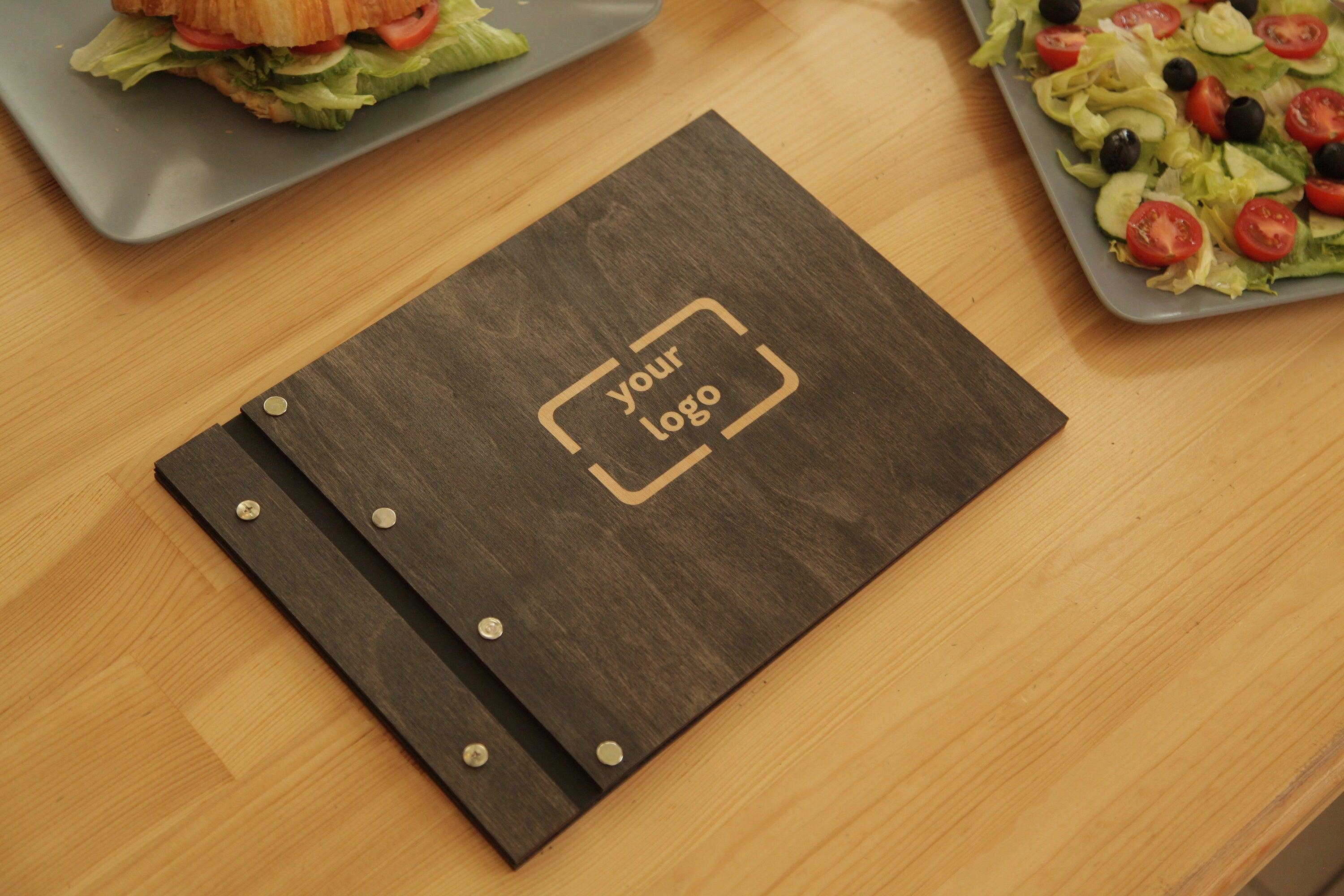
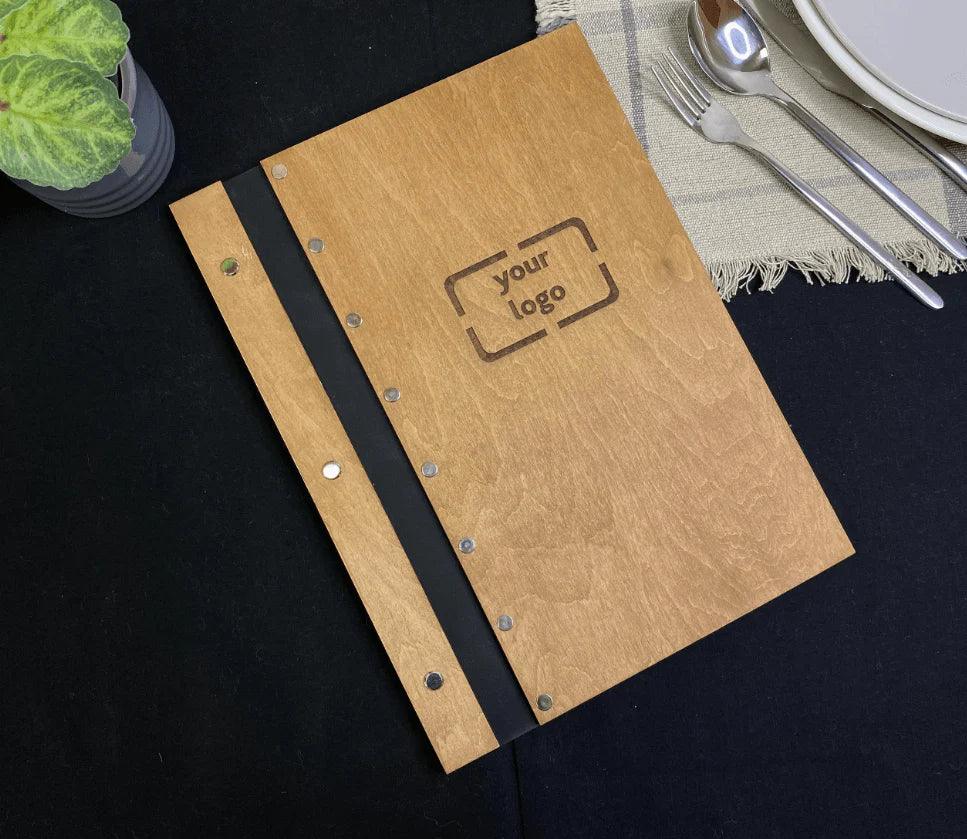
And if you want to enhance your guests’ experience from the moment they sit down, take a look at KyivWorkshop’s custom menu covers.
Top types of menu for restaurants in 2026
Menus are more than just lists of dishes and drinks. They are an essential element that shapes customers' first impressions. Each menu reflects the theme, style, and elegance of the dining experience. Let’s take a closer look at the main types of menus:
1) À la Carte Menu

An à la carte menu lists each dish individually along with its own price, allowing guests to customize their meal based on personal preferences. This format offers maximum flexibility, as customers choose exactly what they want without being tied to a predefined set. Restaurants using à la carte menus often provide a wide variety of dishes, which encourages exploration and supports diverse dietary preferences. Because the pricing is item-specific, it allows clear control over revenue and cost analysis.
From an operational perspective, à la carte service requires a kitchen capable of preparing many dishes simultaneously, often with varying cooking times and techniques. While this increases complexity, it also enables chefs to showcase creativity and seasonal specials. À la carte menus work especially well in casual dining, fine dining, and bistro environments where guests expect choice and personalization.
À la Carte Menu Example
A modern bistro may offer à la carte options like a grilled salmon with lemon butter, a mushroom risotto, and a classic Caesar salad—each priced separately so guests can mix any combination they prefer.
2) Static Menu

A static menu stays mostly the same every day and typically doesn’t change for extended periods. This format is common in fast-casual restaurants, diners, and chains where consistency is a key part of the brand identity. Items are usually organized into familiar categories such as appetizers, soups, mains, and desserts. Guests know exactly what to expect, which strengthens customer loyalty and simplifies ordering.
Because the offerings remain stable, static menus help kitchens optimize prep routines, ingredient purchasing, and staff training. Inventory management becomes predictable, and waste is easier to control. However, static menus must still be periodically refreshed to maintain customer interest, often through seasonal specials or limited-time offers integrated alongside the core menu.
Static Menu Example
A diner may have a static menu with staples like pancakes, cheeseburgers, club sandwiches, and milkshakes that remain unchanged throughout the year.
3) Cycle Menu

A cycle menu rotates on a fixed schedule—such as weekly, biweekly, or monthly—and then repeats. This format is common in institutional settings like hospitals, schools, cruise ships, cafeterias, and corporate canteens. It allows planners to offer variety while keeping procurement efficient and predictable. Customers benefit from a sense of rotation and freshness, while staff follow structured preparation cycles.
Cycle menus help optimize purchasing contracts because the ingredient requirements are forecastable. Chefs can prepare certain items in batches based on the cycle phase, minimizing waste and labor strain. Although more controlled than à la carte, cycle menus still allow seasonal adjustments and can accommodate dietary requirements by introducing specific rotation patterns for vegetarian, low-sodium, or allergen-sensitive meals.
Cycle Menu Example
A cafeteria might serve pasta on Mondays, tacos on Tuesdays, stir-fry on Wednesdays, and baked chicken on Thursdays—with the entire schedule repeating monthly.
4) Du Jour Menu

A du jour menu highlights dishes created for that particular day, often reflecting what ingredients are freshest or most cost-effective. It is typically presented verbally by the server or displayed on a board. Restaurants use du jour menus to communicate daily soups, chef’s specials, or limited-batch dishes. This approach adds excitement and encourages regular guests to return to try new creations.
From a business perspective, du jour menus offer exceptional flexibility. Chefs can react to market prices, ingredient availability, or sudden changes in demand. It also helps minimize waste—ingredients nearing the end of their shelf life can be transformed into a daily special. Du jour menus are a signature feature of bistros, gastropubs, and seafood restaurants where seasonal or market-driven cuisine is expected.
Du Jour Menu Example
A coastal restaurant may feature “Grilled Catch of the Day with Citrus Salad” as its du jour special depending on that morning’s fresh fish market availability.
5) Fixed-Price / Prix Fixe Menu

A prix fixe menu offers a multi-course meal at a single set price. It typically includes appetizer, main course, and dessert, with the option to choose between a few variations for each course. This format creates a curated dining experience and is widely used in fine dining, tasting menus, and special events. Guests appreciate the clarity and structure, knowing exactly what the total cost will be.
For restaurant owners, prix fixe menus bring predictability to the kitchen. Since the number of components is fixed, chefs can plan portion sizes and inventory with high accuracy. It also allows restaurants to present a cohesive culinary narrative, showcasing technique and seasonal ingredients. Prix fixe menus often increase average spend per guest and help balance kitchen workflow during peak service.
Fixed-Price / Prix Fixe Menu Example
A fine dining restaurant may offer a $65 prix fixe meal featuring a choice between a beet salad or crab bisque, followed by roasted duck or pan-seared cod, and finishing with chocolate mousse or crème brûlée.
6) Table d’Hôte Menu

A table d’hôte menu features a set meal with a limited number of choices for each course, often fewer than a prix fixe menu. Guests might choose between two starters, two mains, and one dessert, all offered at a single uniform price. This approach balances structure with modest flexibility, appealing to diners who appreciate both value and some degree of personalization.
Table d’hôte menus streamline service because the ingredient range is narrower than à la carte. The kitchen can prepare components in advance while still offering variety. This format is popular at banquets, hotel restaurants, cruise lines, and catered events where efficiency and consistent presentation are priorities.
Table d’Hôte Menu Example
A hotel restaurant might offer a table d’hôte dinner with a choice of tomato soup or salad, grilled chicken or pasta primavera, and a single dessert such as cheesecake—all for a fixed price
7) Specialty Menus

Specialty menus focus on specific categories such as beverages, wine, cocktails, desserts, children’s meals, or event menus for banquets. These menus allow restaurants to highlight particular offerings without overwhelming the main menu. For example, a wine list can include detailed notes, regions, and pairing suggestions, while a dessert or kids’ menu keeps the experience clear and organized.
Such menus can increase revenue through targeted upselling. A dedicated beverage or wine menu often encourages customers to explore higher-margin items. Specialty menus can also reinforce branding—for instance, a café might showcase artisanal desserts, or a family restaurant might highlight healthy kid-friendly options. They enhance clarity, encourage additional orders, and support different customer segments within the same venue.
Specialty Menus Example
A dessert menu might feature items like tiramisu, molten lava cake, or seasonal fruit tart, with each item paired with suggested wines or coffees.
8) Seasonal Menus

Seasonal menus focus on dishes inspired by the freshest ingredients available. This approach keeps menus dynamic and exciting for both new customers and regulars. It's an ideal way to highlight seasonal dishes and local culinary trends.
For restaurants, seasonal menus reduce costs by leveraging in-season ingredients. They also appeal to environmentally conscious diners and highlight your commitment to sustainability. Using a fixed menu format for seasonal items helps streamline service while keeping the focus on quality.
Seasonal menus often feature creative presentations that highlight the freshest offerings. Restaurants use this opportunity to keep guests informed about changing options. This approach connects visitors to the rhythm of the seasons, creating a fresh and engaging experience.
Seasonal Menus Example
In spring, a restaurant might offer a seasonal menu featuring asparagus risotto, strawberry salad with mint, and lemon tart made with early-season citrus.
9) Children's menu

A children’s menu is a simplified menu designed specifically for younger diners, offering smaller portions and age-appropriate dishes. These menus prioritize familiar flavors, mild seasoning, and easy-to-eat textures to ensure comfort and enjoyment for kids. The goal is to make mealtimes stress-free for families by providing quick, dependable options that appeal to a child’s tastes. Children’s menus also help parents by offering clear nutritional choices at predictable prices.
Children’s menus streamline preparation because items often rely on fast-cooking, universally popular ingredients like pasta, vegetables, or grilled proteins. These menus help the kitchen maintain consistency by standardizing portion sizes and using ingredients already present in the main menu. Offering a children’s menu can also increase family traffic and improve customer satisfaction among parents seeking convenience. In addition, it reflects the restaurant’s commitment to inclusivity by ensuring every age group has appropriate choices.
Children’s Menu Example
A restaurant might offer items such as mini grilled chicken with mashed potatoes, small-portion pasta with tomato sauce, and a fruit cup or yogurt for dessert—each sized and seasoned to suit younger guests while keeping preparation simple for the kitchen.
10) QR Code Menus

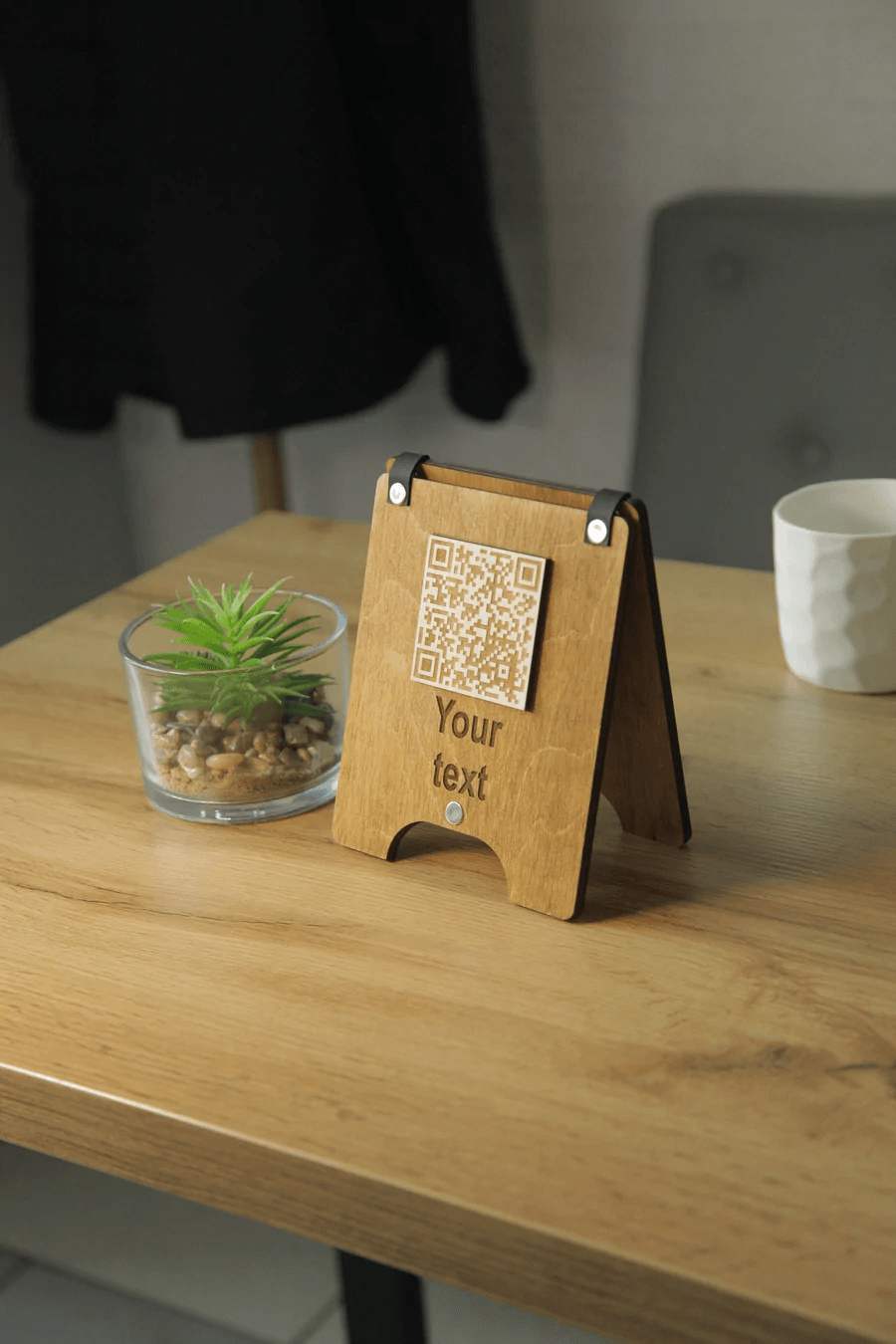
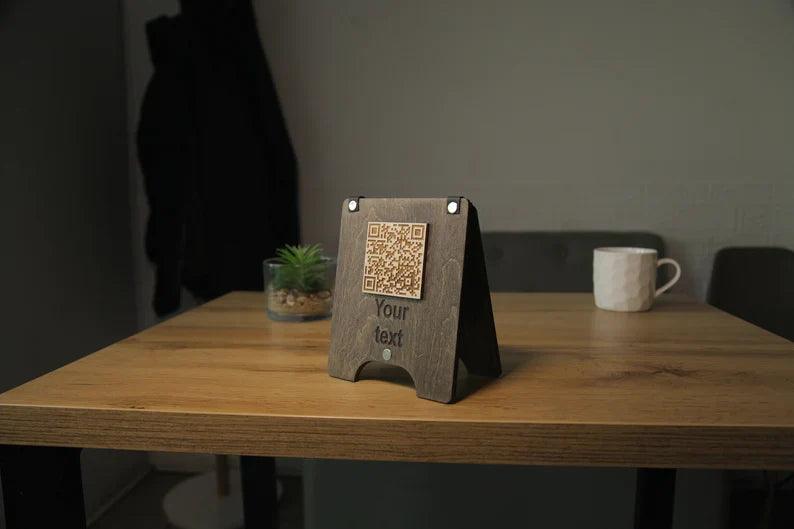
QR code menus have become a go-to option for convenience and hygiene. A simple scan of a wooden QR code gives customers instant access to the whole menu. This approach eliminates the need for physical menus, streamlining the process for both diners and waitstaff. Restaurants choose QR menus as they allow for fast and easy updates. Whether it's switching out seasonal items or adding new dishes, you can make changes in just a few seconds. Plus, they reduce paper waste, making it a sustainable choice that aligns with modern values.
QR menus also appeal to younger diners who prefer digital solutions. By scanning a code, clients can instantly access the restaurant food menu list and start placing their orders. It's quick, efficient, and keeps everything easy, making it an excellent choice for casual and trendy spots.
QR Code Menu Example
A trendy café may place wooden QR code stands on each table; scanning the code brings up a digital menu with photos, allergen filters, and live updates for items that sell out during the day.
How to choose the best menu type for your restaurant

Selecting the right menu sets the stage for your restaurant's success. It should reflect your concept and resonate with your target audience. The right menu design can enhance customer satisfaction while also aligning with your budget. Let's dive into some practical tips to guide your choices.
Aligning Menu Type with Your Concept
Your menu should complement your restaurant's theme and style. Whether it's a casual café or fine dining establishment, menu presentation is the key. The way you present and define menu items plays a decisive role in setting expectations. For instance, an elegant-fixed menu works well in upscale settings, while a diverse à la carte menu appeals to casual diners.
Consistency is critical for matching the menu to your concept. A casual bistro can use handwritten designs or boards, while a trendy café may opt for digital displays. Aligning the menu with your theme will create a cohesive and memorable dining experience.
Understanding Your Target Audience
Your audience's preferences should guide the restaurant food menu list you offer. For families, a simple menu with kid-friendly options can work well. For trendy cafes, seasonal and tasting menus will be the best choice. Aligning your menu with your guests' expectations ensures they feel valued and appreciated.
Consider how people interact with your menu. Younger diners may prefer QR code menus, while older guests might appreciate classic options. Tailoring your menu format to your audience can improve accessibility and satisfaction.
Balancing Menu Type with Your Budget
Your budget is another critical consideration. A fixed menu can be a budget-friendly option since it focuses on fewer dishes, making it easier to manage ingredients and kitchen operations. In contrast, a more extensive à la carte menu might require more resources to handle the variety, from extra inventory to additional staff.
Menu design costs are also worth considering. Physical menus may need regular reprinting, while digital menus cost more upfront but save money over time. Finding the right balance ensures that your menu looks stylish without overspending.
Testing and Iterating Menu Formats
Restaurant success often comes through testing and refinement. Experiment with different types of menus to see what resonates better with your audience. Seasonal updates can keep your offerings fresh and exciting.
Gather feedback from clients and staff to identify areas for further improvement. Regular updates keep your menu relevant and aligned with customer preferences. This approach helps your restaurant stay competitive and appealing to modern diners.
Bring your menu vision to life with custom menu covers from Kyivworkshop

Your menu is more than an information tool—it’s a powerful part of your restaurant’s identity. The right presentation can elevate your entire concept, set guest expectations, and create a memorable first impression long before the food arrives.
Whether you use à la carte formats, seasonal collections, or specialty lists, your menu deserves a presentation that reflects the care and creativity behind your dishes. Durable, well-crafted covers not only protect your menu but also enhance the atmosphere and professionalism of your space.
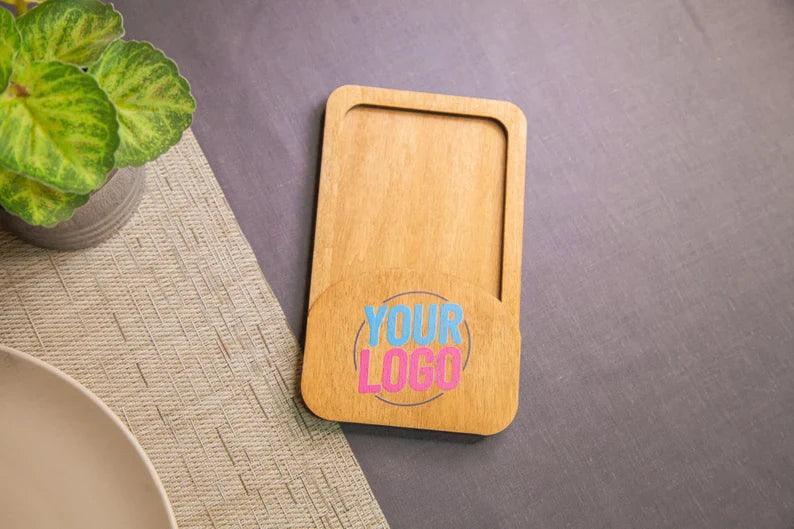
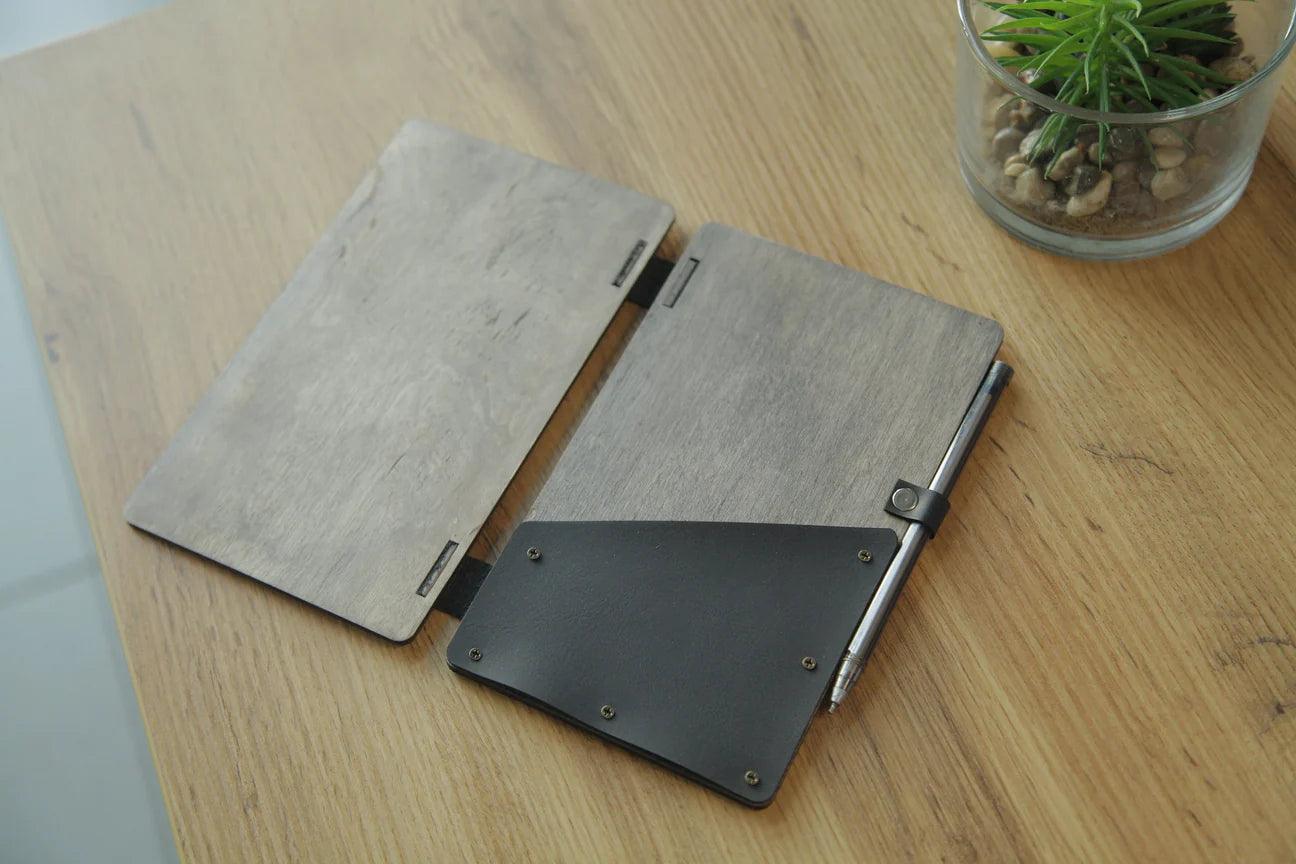
We invite you to explore Kyivworkshop’s custom menu covers. Our wood, leather, and handcrafted designs help restaurants highlight their signature style with sophisticated materials and exceptional craftsmanship.
Frequently Asked Questions
What is a menu?
A menu is a structured list of menu items that a restaurant offers to guests during a dining experience. It guides customers through available food and beverage options and helps them make informed choices. A well-designed restaurant menu improves the overall customer experience. Menus can be printed, displayed digitally, or presented through menu boards.
What are the main types of menus in restaurants?
The main types of menu include à la carte, table d’hôte, prix fixe, cycle, and specialty formats. Many upscale restaurants also use tasting menus to showcase a curated progression of dishes. A hotel menu may offer multiple service periods such as breakfast, lunch, and dinner. Modern operations may also publish a menu online for convenience.
What are the most popular menu types?
Popular choices include à la carte menus for flexibility and table d'hote menus for value. Restaurants often rely on a fixed menu for events or seasonal promotions. A regular menu remains stable throughout the year with familiar offerings. Venues that emphasize experiences may introduce a dedicated buffet menu.
What are the 7 parts of a menu?
The classic structure includes appetizers, mains, desserts, sides, beverages, specials, and add-ons such as sweet dishes. Some establishments present these sections using elegant menu covers. High-volume formats, such as tabletop tent menus, highlight featured items. Digital displays can further organize these categories with a supportive menu holder.
What are the food categories on a menu?
Menus typically divide items into starters, soups, entrées, desserts, and drinks, including alcoholic drinks for adult guests. A dedicated children's menu groups simple dishes in age-appropriate portions. Seasonal sections may highlight regional specialties depending on location. Many restaurants also feature a dessert menu with pastries, cakes, and other treats.
What types of menus are there?
There are different menus such as à la carte, fixed, tasting, and casual dining-friendly formats. A hybrid menu can combine elements of multiple formats to improve flexibility. In family-oriented places, a lunch menu may offer lighter mid-day dishes. Catering operations rely heavily on the catering menu to organize large-scale service.
What does the menu category mean?
A menu category groups specific dishes that share a theme, preparation style, or purpose. This structure supports efficient menu planning and aligns choices with the restaurant concept. Categories also help customers navigate service styles such as dine-in or takeaway. Some venues use a category to spotlight signature dishes.
What are menu categories?
Menu categories separate appetizers, soups, mains, desserts, and beverages to organize individual dishes logically. They can highlight health-focused items for guests with dietary restrictions. Restaurants sometimes use categories to showcase specialties such as regional or chef-driven items. In wine-centric venues, sections may include curated wine pairings.
What are the different types of menu in restaurant?
Restaurant menus range from à la carte to prix fixe, buffet, du jour, and tasting-style presentations. Many businesses use la carte menus when offering broad variety and customization. Trend-driven establishments may highlight fresh seasonal ingredients. Some prefer a set menu to control portions and maintain predictable food costs.
What are the main restaurant's menu options?
Common formats include à la carte, prix fixe, tasting, and menus offer flexibility through optional add-ons. Operations seeking simplicity often choose a hybrid menu combines elements of different formats. Specialty venues may focus on wine pairing menus. Others use a wine captain's book menu for extensive bottle selections.
What is a single-use menu?
A single-use menu is printed for one service period and discarded afterward, supporting hygiene and simplicity. It is popular in venues that emphasize a complete dining experience. Single-use formats often appear at banquets or pop-up events with a curated complete meal. Fast-service venues like fast food restaurants occasionally use them for promotions.
What is the difference between à la carte and table d’hôte?
À la carte menus price items individually, while a table d'hote menu offers a bundled multi-course meal at a set price. Guests choosing à la carte enjoy maximum flexibility. Table d’hôte provides structure and convenience with fewer choices and predictable costs. Both formats contribute differently to operational flow in casual dining environments.
What type of menu lists each food and beverage item with their prices?
This format is known as an à la carte list, where each option is itemized with clear pricing, similar to a menu sign displayed in cafés. It provides complete transparency for guests evaluating menu items. It is commonly paired with a daily menu in many establishments. Some casual venues also incorporate elements of a buffet line alongside it.
What is the best type of menu which offers a small variety of options?
A tasting menu is ideal when offering a limited number of curated dishes. It emphasizes culinary excellence through carefully selected items. Chefs often focus on unique cooking techniques to elevate each course. This type of format frequently appears in restaurants that value a refined dining experience.
What are the top sections of a restaurant menu?
Top sections usually highlight starters, mains, desserts, and drinks in well-organized formats. Some restaurants include a dedicated hotel menu layout for clarity. These sections may also feature promotional items or menu sign placements for visibility. Creative layouts can improve the flow of food and beverage options.
Which menu format allows chefs to use the best products available at any given time?
A du jour or market-driven format supports frequent updates based on ingredient availability. Chefs can revise selections to reflect freshness and seasonality. This flexibility aligns with menus that incorporate seasonal ingredients. Such formats ensure chefs consistently present their best work within a dynamic dining experience.




,%20static%20(doesn't%20change),%20cycle%20(rotates%20on%20a%20schedule),%20du%20jour%20(daily%20special),%20and%20fixed/prix%20fixe%20(set%20price%20for%20a%20set%20meal)...)