

What is a prix fixe menu (definition, features, examples & how to create)
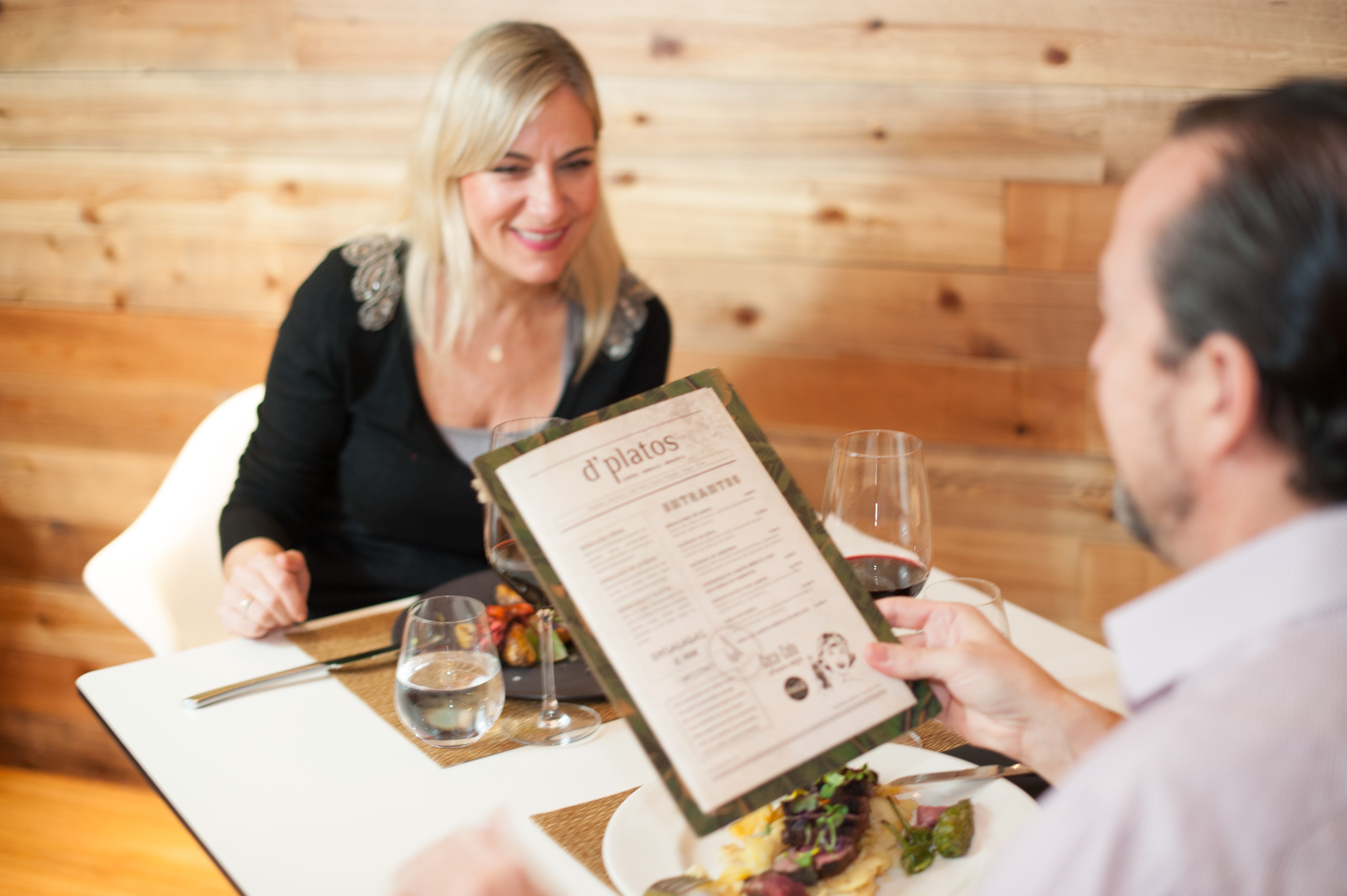
A prix fixe menu (French for "fixed price") is a multi-course meal offered for a single, set price. It features a limited selection of dishes, typically including an appetizer, entree, and dessert. Unlike à la carte dining, the entire meal is pre-selected or chosen from a restricted list, offering a curated dining experience.
Key characteristics of a prix fixe menu include:
-
Set price: One price covers all courses, though beverages may be extra.
-
Limited choices: Often 2–4 options per course, or a fixed, no-choice menu.
-
Multi-course: Typically features 3 or more courses, such as appetizer, main, and dessert
-
Cohesive experience: Dishes are often designed to complement each other, providing a curated, high-end experience.
-
Common occasions: Frequently used for tasting menus, holiday meals, or special restaurant events.
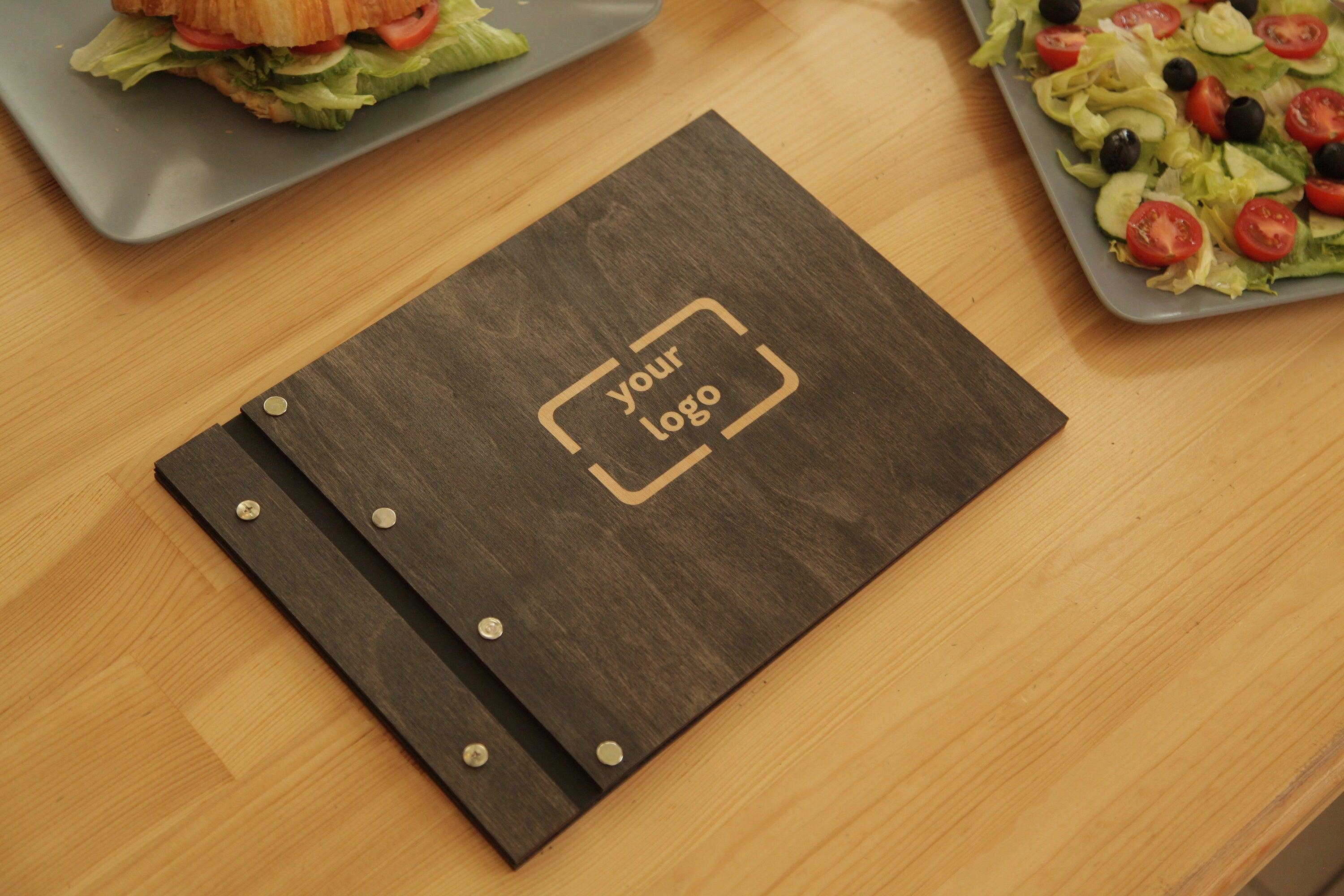
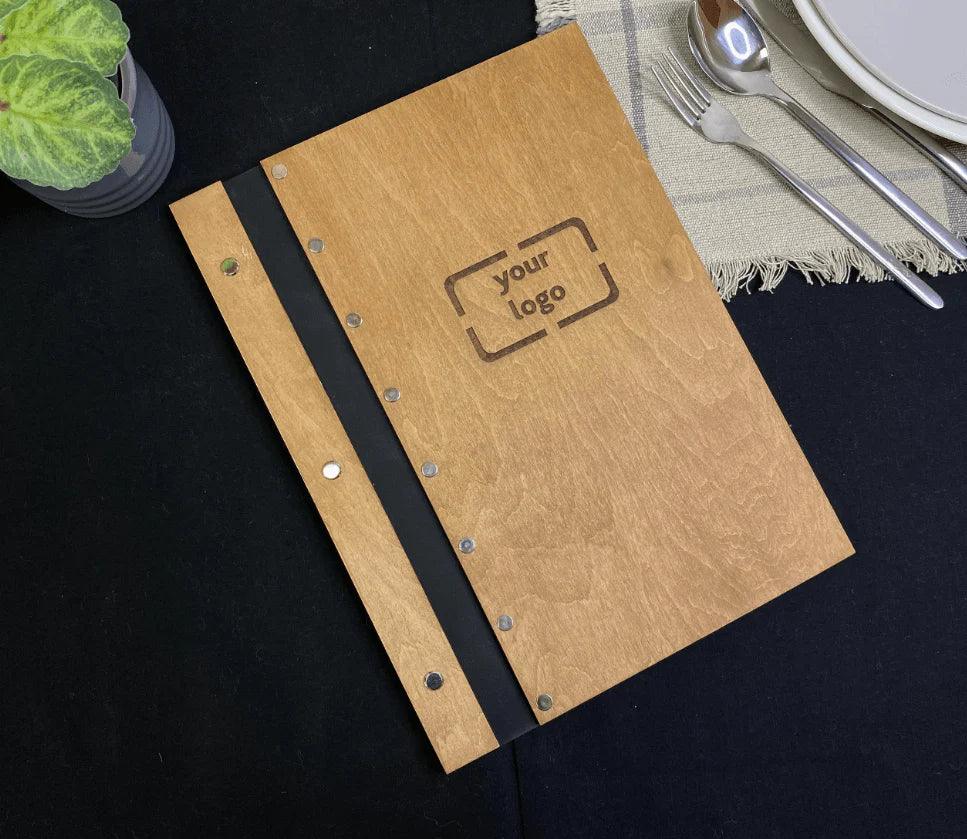
At KyivWorkshop, we have spent years manufacturing custom menu covers designed to attract attention to help businesses grow their revenue. In this guide, we’ll explore all the ins and outs of a prix fixe menu.
What is a prix fixe menu?

A prix fixe menu is a meal with a fixed price that includes several courses. You usually get an appetizer, a main dish, and a dessert.
Guests choose from a small list of options for each course. Unlike regular menus, you don’t pay for each item separately.
It is commonly used in fine dining, special events, and seasonal offerings to highlight a chef’s curated selection.
How to create a prix fixe menu

Creating a prix fixe menu involves designing a structured, multi-course meal (usually 3-5 courses) offered at a set price. To succeed, balance flavors and textures, focus on seasonal ingredients to control costs, offer 2-3 choices per course to prevent guest overwhelm, and ensure dishes allow for quick, consistent execution.
Define Your Goal & Structure
Determine if this is for a special event, brunch, or daily service. Decide on the number of courses, usually starting with an appetizer, entree, and dessert.
Choose a Theme or Concept
Structure the menu around a theme (e.g., seasonal, regional) to ensure dishes complement each other.
Balance the Menu
Create a balanced menu by offering variety in taste, texture, and temperature. Avoid having all courses be too heavy or similar in flavor.
Follow the "Three of Each" Rule
For a curated experience, provide 2-3 options per course. This allows choices without overcomplicating kitchen operations.
Highlight High-Margin Items
Use popular, high-profit items to anchor the menu and consider adding "supplements" (e.g., for lobster) to increase revenue.
Factor in Prep & Execution
Choose dishes that allow for mise en place to ensure fast service, as prix fixe requires all tables to be served efficiently.
Include Dietary Options
Ensure there is at least one vegetarian, gluten-free, or healthy option in each course.
Price for Profit
Calculate the total food cost of the set menu and apply your target margin to set a fixed price that guarantees profit.
How does a prix fixe menu work

A prix fixe menu offers a complete, multi-course meal for a single set price. Diners choose from a limited, curated selection of appetizers, entrées, and desserts. Here is how It works:
-
Curated structure: A prix fixe menu usually consists of 3 or more courses, with 2–3 options to choose from for each course.
-
Set pricing: The price is fixed for the entire experience, often making it easier for customers to estimate the final cost.
-
Often pre-paid: Popular for special occasions (e.g., Valentine's Day, Restaurant Week), these menus can sometimes be pre-paid to streamline dining, especially for large groups.
-
Limited choice: Unlike traditional menus, choices are limited, allowing for high-quality, seasonal, and consistent dishes.
-
Wine pairings: Restaurants frequently offer wine or beverage pairings alongside the meal to enhance the dining experience.
Key features of a prix fixe menu

Main features of a prix fixe menu include:
-
Fixed pricing: A set price for the entire meal rather than individual item pricing.
-
Curated courses: Offers a structured progression, usually three or more courses (e.g., appetizer, entrée, dessert).
-
Limited options: Rather than an expansive menu, customers choose from a small selection of items per course.
-
High operational efficiency: Allows chefs to predict inventory needs and prepares dishes more efficiently, speeding up service.
-
Value and experience: Offers high-value, curated meals that promote a chef's specialty, often showcasing local or seasonal ingredients.
-
Upsell opportunities: While fixed, these menus often feature add-ons like wine pairings, premium ingredients, or extra side dishes.
Prix fixe menu examples

A prix fixe (fixed price) menu offers a complete multi-course meal for a set price, typically featuring 3–5 courses designed for efficiency, special occasions, or highlighting seasonal ingredients. Examples include a $50 3-course menu (appetizer, entrée, dessert) or 5-course tasting. Here are some of the best prix fixe menu examples:
Classic bistro 3-course example
-
Appetizer: French onion soup.
-
Entree: Steak frites with béarnaise.
-
Dessert: Crème brûlée.
Seasonal/modern 3-course example
-
Appetizer: Little Gem salad or Summer gazpacho.
-
Entree: Miso black cod or Risotto.
-
Dessert: Yuzu cheesecake or Affogato.
Specialty/holiday 3-course example
-
Starter: Beet carpaccio.
-
Main: Duck confit or Wild mushroom pappardelle.
-
Dessert: Chocolate tart or Poached pear with vanilla cream.
Italian-style menu example
-
Antipasti: Bruschetta.
-
Primi: Spaghetti carbonara.
-
Secondi: Veal scallopini with roasted vegetables.
Asian fusion example
-
Starter: Korean fried wings or Honey walnut shrimp.
-
Main: Salmon teriyaki or Steak.
-
Dessert: Ube bread pudding or Mango float.
Main benefits of a prix fixe menu for restaurants and customers

A prix fixe menu offers significant benefits for restaurants by streamlining kitchen operations, reducing food waste through precise inventory management, and increasing average check sizes. And for customers, it simplifies ordering and offers a curated, high-value dining experience, while restaurants enjoy improved staff efficiency, faster service, and better revenue forecasting.
Key benefits for restaurants
-
Operational Efficiency: Limited menus allow the kitchen to prep in batches, resulting in faster service, better timing, and consistent food quality.
-
Cost Control & Reduced Waste: Because the menu is set, chefs can precisely forecast inventory needs, significantly cutting down on ingredient waste.
-
Higher Revenue: Prix fixe menus often lead to higher check averages per table, as guests are more likely to buy into a full, curated experience.
-
Simplified Service: Front-of-house staff spend less time explaining dishes or taking complex orders, allowing them to focus on service, such as refilling drinks or pacing courses.
-
Showcasing Talent: It allows chefs to highlight their best work, creating a themed, multi-course journey that builds on flavor and texture.
Key benefits for customers
-
Value and Convenience: Guests often pay less for a multi-course meal compared to ordering the same items à la carte.
-
Simplified Decision Making: The menu reduces "choice overload," making the ordering process quick and stress-free.
-
Curated Dining Experience:
Prix fixe vs similar concepts (à la carte/table d’hôte/tasting menu)

Prix fixe menus are often compared to other menu styles, but each one works a bit differently. Here is how they compare.
Prix fixe vs à la carte menu
In a prix fixe menu, you pay one set price for a full meal with a few choices per course. In an à la carte menu, every item has its own price, so guests can order anything they want. This gives more freedom but can also make the total cost less predictable.
Prix fixe vs table d’hôte
Both formats offer a fixed price for a complete meal. A table d’hôte menu is often simpler and may reflect the restaurant’s daily specials rather than a carefully curated multi-course experience. Prix fixe menus are usually more structured and designed for a specific dining experience.
Prix fixe vs tasting menu
A prix fixe menu usually gives guests a few options for each course. A tasting menu is more controlled by the chef, with little or no choice, and often includes more courses. Tasting menus are usually more detailed and designed to showcase creativity and technique.
Explore custom prix fixe menu covers that guests remember

At KyivWorkshop, we help you turn your tables into standout visual moments with custom accessories designed around your branding, colors, and overall concept.
Explore our collections of customizable menu covers that catch attention and quietly increase repeat visits to your restaurant.
FAQs
What is the meaning of prix fixe menu?
A prix fixe menu is a restaurant menu where guests pay one fixed price for several courses. It usually includes multiple courses like an appetizer, main course, and dessert. Guests choose from a small list of food items for each course. This format creates a structured and easy dining experience.
Why is it called prix fixe?
The name comes from a French term that means “fixed price.” It was first used in France and became popular in fine dining restaurants. Historically, the first prix fixe menu was offered in places like Monte Carlo and luxury dining spaces. The idea was to offer great food at one set price.
What does prix fixe mean?
Prix fixe means that the total price of the meal is set in advance. Guests know the cost before they order, which makes it simple to plan. It usually includes a three course meal with selected dishes. This approach is common in many restaurants around the world.
Are prix fixe menus worth it?
Prix fixe menus are worth it for both guests and restaurant owners in many cases. Guests get a full course meal at a clear price, which makes dining easier and more predictable. Restaurants can attract customers by offering curated food experiences, especially during peak hours. Overall, there are many advantages when the menu is well planned.
What is a fixed menu?
A fixed menu is a type of restaurant menu where the meal is pre-planned with limited choices. Instead of picking freely, guests order from a set list of different dishes. It often includes simple dishes that are easy for the kitchen to prepare consistently. This helps maintain quality and speed.
What is a fixed price menu?
A fixed price menu offers a full meal for one set cost. It may include a starter, main course, and dessert as part of a larger meal. Some restaurants offer a prix fixe menu alongside regular pricing options. This gives guests more flexibility depending on their preference.
What is a 4 course prix fixe menu?
A 4 course prix fixe menu includes four stages of the meal instead of the usual three courses. It may add an extra dish like a soup or salad before the main course. This creates a more memorable meal with a balanced flow of food. It is often used in fine dining restaurants or special events.
What is a menu with one price for the entire menu?
This type of menu is designed so guests pay one price for all included food. It is similar to a table d'hote format used in many restaurants. Guests enjoy a full course meal without thinking about individual costs. This makes the experience smooth and stress-free.
What is the difference between a la carte vs prix fixe?
In a la carte, each item is priced separately and guests can choose freely. In a prix fixe format, guests select from a limited list for a set price. A la carte menu offers more flexibility, while prix fixe focuses on a curated experience. Both are common in other restaurants depending on the concept.
How do prix fixe menus help to improve kitchen operations?
Prix fixe menus help simplify kitchen operations by reducing the number of dishes prepared. Kitchens can plan ahead and improve better inventory management. This reduces waste and makes service faster during peak hours. It also helps ensure consistent quality across all food served.





%20is%20a%20multi-course%20meal%20offered%20for%20a%20single,%20set%20price.%20It%20features%20a%20limited%20selection%20of%20dishes,%20typically%20including%20an%20appetizer,%20entree,%20and%20dessert....)