


Types of Japanese restaurants in 2026
Japanese restaurants range from casual, specialized eateries to refined, multi-course dining. Popular types include Izakaya (pubs), Sushi-ya (sushi), Ramen-ya (noodle shops), and Kaiseki (traditional, high-end, multi-course). Other common types include Teppanyaki (grill-side cooking), Tonkatsu-ya (fried pork), and Yakitori-ya (skewered chicken).
Japanese cuisine is diverse, and the restaurant scene reflects this variety. Here are the most common types of Japanese restaurants you may encounter:
-
Izakaya: Casual, pub-style venues serving small, shareable dishes and drinks.
-
Sushi-ya: Dedicated sushi restaurants, ranging from high-end to casual.
-
Kaitenzushi: Conveyor-belt sushi restaurants, offering affordable and fast options.
-
Ramen-ya: Specialized shops serving ramen noodle soup.
-
Soba-ya & Udon-ya: Restaurants specializing in buckwheat (soba) or wheat (udon) noodles.
-
Kaiseki: High-end, multi-course dining focusing on seasonal, artistic dishes.
-
Teppanyaki: Restaurants featuring chefs who cook food on a hot iron griddle in front of diners.
-
Yakitori-ya: Casual spots specializing in skewered, grilled chicken.
-
Tonkatsu-ya: Focused on breaded, deep-fried pork cutlets.
-
Shabu-shabu/Sukiyaki-ya: Hot pot restaurants where diners cook meat and vegetables at the table.
-
Gyudon-ya: Quick-service restaurants specializing in beef bowls.
-
Tempura-ya: Specialized shops for battered and deep-fried seafood and vegetables.
-
Robatayaki: A type of restaurant where food is slow-grilled over charcoal.
-
Ryōtei: Traditional, luxurious restaurants often featuring private dining and geisha entertainment.
-
Kare-ya: Restaurants specializing in Japanese curry.
-
Family Restaurants: Casual, chain-style eateries (e.g., Saizeriya, Gusto) with a wide variety of affordable, Japanese-Western fusion, and traditional food.
-
Teishoku-ya: Restaurants serving affordable, set-menu meals, typically featuring a main dish, rice, miso soup, and pickles.
Each format focuses on a specific culinary experience, highlighting the precision and tradition that define Japanese cuisine. In this guide, we explore all major types of Japanese restaurants and explain what makes each dining format unique.
Common types of Japanese restaurants

Restaurants in Japan are often highly specialized, with many establishments focusing on a single dish, cooking method, or dining style rather than offering large mixed menus. Below are the most common types of Japanese restaurants:
Izakaya
Izakaya are casual Japanese pubs where guests gather after work to enjoy drinks and a variety of small dishes designed for sharing. The menu usually includes grilled skewers, fried snacks, sashimi, and simple comfort foods that pair well with beer, sake, or shochu. Unlike formal restaurants, the atmosphere is lively and social, encouraging groups to order multiple plates throughout the evening. Izakaya are considered an essential part of Japan’s casual dining and nightlife culture.
Sushi-ya
Sushi-ya are restaurants dedicated to sushi and sashimi, ranging from simple neighborhood counters to luxury omakase establishments. In traditional sushi restaurants, chefs prepare sushi directly in front of guests at the counter, highlighting freshness and craftsmanship. High-end sushi-ya often focus on seasonal seafood and carefully aged fish. The experience emphasizes precision, quality ingredients, and the chef’s expertise.
Kaitenzushi
Kaitenzushi, also known as conveyor-belt sushi restaurants, serve sushi plates that move around the dining area on a rotating belt. Customers simply take the plates they want as they pass by, making the experience quick and convenient. Prices are usually based on the color or design of each plate. This format is popular for affordable and casual dining.
Ramen-ya
Ramen-ya are specialized noodle shops dedicated to ramen soup, one of Japan’s most beloved comfort foods. Each shop often focuses on a specific broth style such as tonkotsu (pork bone), miso, shoyu (soy sauce), or shio (salt). The dish typically includes noodles, sliced pork, green onions, egg, and other toppings. Ramen restaurants are known for quick service and deeply flavorful broths that take many hours to prepare.
Soba-ya & Udon-ya
Soba-ya and udon-ya focus on two traditional Japanese noodle types: soba made from buckwheat and udon made from wheat flour. Soba noodles are usually thin and served either chilled with dipping sauce or in hot broth. Udon noodles are thicker and softer, often served in mild broth with toppings like tempura or tofu. These restaurants emphasize simple, balanced flavors.
Kaiseki
Kaiseki restaurants represent the highest form of traditional Japanese fine dining. Meals consist of carefully arranged multi-course dishes that highlight seasonal ingredients and artistic presentation. Each course is designed to balance flavor, texture, and visual aesthetics. Kaiseki dining often follows centuries-old culinary traditions and reflects the philosophy of Japanese hospitality.
Teppanyaki
Teppanyaki restaurants feature chefs cooking ingredients on a flat iron griddle directly in front of guests. Meat, seafood, and vegetables are grilled at high heat while the chef performs precise cooking techniques. The dining experience is interactive, combining food preparation with entertainment. Teppanyaki is especially popular in modern Japanese restaurants around the world.
Yakitori-ya
Yakitori-ya specialize in grilled chicken skewers cooked over charcoal. Different parts of the chicken, including thigh, skin, liver, and wings, are seasoned with salt or brushed with sweet soy-based sauce. These skewers are often served alongside drinks in a relaxed environment similar to an izakaya. Yakitori restaurants focus on simple ingredients prepared with careful grilling techniques.
Tonkatsu-ya
Tonkatsu-ya specialize in tonkatsu, a breaded and deep-fried pork cutlet coated in crisp panko breadcrumbs. The dish is typically served sliced with shredded cabbage, rice, miso soup, and thick tonkatsu sauce. Some restaurants offer premium pork varieties for richer flavor. Tonkatsu restaurants focus on achieving a perfectly crispy exterior and juicy interior.
Shabu-shabu / Sukiyaki-ya
Shabu-shabu and sukiyaki restaurants serve Japanese hot pot dishes cooked directly at the table. In shabu-shabu, thin slices of meat are briefly swished in simmering broth before being dipped in sauces. Sukiyaki uses a sweeter soy-based broth where meat and vegetables simmer together. These restaurants create an interactive dining experience where guests cook their own ingredients.
Gyudon-ya
Gyudon-ya are quick-service restaurants specializing in gyudon, a bowl of rice topped with simmered beef and onions in a savory soy-based sauce. Large chains such as Yoshinoya and Sukiya popularized this fast and affordable meal across Japan. Gyudon restaurants focus on speed, consistency, and value. The dish is commonly served with pickled ginger or raw egg.
Tempura-ya
Tempura-ya focus on tempura, a dish made by lightly battering seafood and vegetables before deep-frying them in hot oil. Skilled chefs prepare tempura so the batter remains light and crisp rather than greasy. In high-end tempura restaurants, items are fried individually and served immediately. This style highlights the delicate flavor of the ingredients.
Robatayaki
Robatayaki restaurants prepare food by grilling it slowly over charcoal in an open hearth. Ingredients such as seafood, vegetables, and meat are cooked over glowing coals and served directly from the grill. Chefs often sit behind a long counter where guests can watch the cooking process. This style emphasizes smoky flavors and rustic presentation.
Ryōtei
Ryōtei are traditional luxury restaurants known for formal hospitality and refined Japanese cuisine. Meals are typically served in private tatami rooms, creating an intimate dining environment. Some ryōtei offer cultural performances such as geisha entertainment. These establishments are associated with traditional ceremonies and high-level business dinners.
Kare-ya
Kare-ya specialize in Japanese curry, a thick, mildly spiced curry sauce served with rice. The dish is usually topped with ingredients such as fried pork cutlets, chicken, vegetables, or seafood. Japanese curry differs from Indian curry in flavor and texture, often being sweeter and less spicy. These restaurants focus on comforting, hearty meals.
Family Restaurants
Japanese family restaurants are casual chain eateries offering a broad menu at affordable prices. They often combine Japanese dishes with Western-style meals such as pasta, hamburg steaks, and desserts. Well-known chains include Saizeriya and Gusto. These restaurants are designed for convenient dining for families and groups.
Teishoku-ya
Teishoku-ya serve traditional set meals known as teishoku. A typical set includes a main dish accompanied by rice, miso soup, pickles, and small side dishes. The format provides a balanced meal with simple, home-style flavors. Teishoku restaurants are popular for everyday dining because they offer affordable and satisfying meals.
Japanese restaurant service styles

Japanese restaurants are not only defined by the type of cuisine they serve but also by the way food is presented and experienced. Service styles in Japan often reflect cultural values such as precision, hospitality, seasonality, and respect for ingredients.
Counter dining (Chef’s counter)
Counter dining is one of the most traditional service styles in Japanese restaurants, especially in sushi-ya, tempura-ya, and ramen shops. Guests sit directly in front of the chef and watch the food being prepared in real time. This format allows direct interaction with the chef and highlights culinary craftsmanship. Counter seating is common in smaller restaurants where freshness and precision are essential.
Omakase service
Omakase means “I leave it up to you,” referring to a dining experience where the chef chooses the dishes for the guest. This style is most common in high-end sushi and kaiseki restaurants. The chef selects seasonal ingredients and prepares dishes in a carefully planned sequence. Omakase emphasizes trust between the diner and the chef.
Conveyor belt service
Conveyor belt service is most commonly found in kaitenzushi restaurants. Plates of sushi move along a rotating belt that passes each table or counter seat. Customers simply pick the dishes they want as they pass by. This system allows fast, efficient service and affordable pricing.
Table hot pot cooking
In hot pot restaurants such as shabu-shabu and sukiyaki-ya, diners cook ingredients themselves at the table. Thin slices of meat, vegetables, and noodles are placed into simmering broth using chopsticks. This style creates an interactive and social dining experience. It is especially popular for group meals.
Teppan grill service
Teppanyaki restaurants use a large flat iron grill where chefs cook food directly in front of guests. The chef prepares meat, seafood, rice, and vegetables while performing precise cooking techniques. The experience combines cooking with light entertainment and interaction. Many international Japanese restaurants adopt this format.
Set meal service (Teishoku)
Teishoku service focuses on complete set meals served on trays. Each tray typically includes a main dish, rice, miso soup, pickles, and small side dishes. This format is common in casual restaurants and lunch spots. The goal is to provide a balanced, convenient meal.
Quick-service counter ordering
Many ramen-ya, udon-ya, and gyudon restaurants operate with a fast counter ordering system. Customers often order from a vending machine or digital kiosk before sitting down. The kitchen prepares the food quickly and serves it within minutes. This style is designed for efficiency and affordability.
Private room dining
Some traditional restaurants, especially ryōtei and high-end kaiseki establishments, offer private tatami rooms for dining. Guests sit on floor cushions around low tables. The meal is served by dedicated staff in a quiet and formal setting. This style is often used for celebrations, business meetings, and special occasions.
Types of Japanese cuisine

Japanese cuisine is built around balance, seasonality, and careful preparation of ingredients. Rather than relying heavily on spices, many dishes highlight the natural flavor of fish, vegetables, rice, and fermented products. Over centuries, Japan developed several distinct culinary traditions influenced by regional ingredients, cultural exchanges, and historical periods. Understanding these major cuisine categories helps explain the variety found in Japanese restaurants.
Washoku
Washoku refers to traditional Japanese cuisine and was recognized by UNESCO as an Intangible Cultural Heritage. It focuses on seasonal ingredients, balanced nutrition, and harmonious presentation. Typical elements include rice, miso soup, fish, vegetables, and fermented foods. Washoku emphasizes simplicity and natural flavors.
Sushi cuisine
Sushi cuisine centers on vinegared rice paired with seafood, vegetables, or egg. The most common styles include nigiri, maki rolls, sashimi, and temaki hand rolls. Fresh fish quality and precise knife skills are essential in sushi preparation. Sushi cuisine is one of the most internationally recognized parts of Japanese food culture.
Ramen cuisine
Ramen cuisine is based on noodle soup served in rich broth with toppings such as sliced pork, eggs, and green onions. Popular broth styles include tonkotsu (pork bone), miso, soy sauce, and salt-based broths. Ramen originated from Chinese noodle dishes but evolved into a unique Japanese comfort food. Regional variations across Japan create many different ramen styles.
Tempura cuisine
Tempura cuisine focuses on seafood and vegetables coated in a light batter and deep-fried quickly in hot oil. The technique produces a crisp texture while preserving the flavor of the ingredient inside. Tempura was influenced by Portuguese cooking methods introduced to Japan in the 16th century. It is commonly served with dipping sauce and grated daikon.
Yakitori cuisine
Yakitori cuisine centers on grilled chicken skewers cooked over charcoal. Different parts of the chicken are used, including thigh, skin, liver, and heart. Skewers are seasoned with salt or brushed with a sweet soy-based sauce called tare. Yakitori is commonly enjoyed in casual restaurants and drinking establishments.
Donburi cuisine
Donburi refers to rice bowls topped with meat, seafood, or vegetables. Popular examples include gyudon (beef bowl), katsudon (pork cutlet bowl), and tendon (tempura bowl). The toppings are usually simmered in a savory sauce and served over steamed rice. Donburi meals are simple, filling, and widely available.
Japanese curry
Japanese curry is a thick, mildly spiced curry sauce served with rice. It was introduced to Japan through British naval influence during the 19th century. The dish is typically prepared with meat, potatoes, carrots, and onions. Japanese curry is sweeter and less spicy than many other curry traditions.
Kaiseki cuisine
Kaiseki cuisine represents the highest level of traditional Japanese dining. It consists of a sequence of carefully prepared seasonal dishes served in a specific order. Each course highlights different ingredients, cooking techniques, and presentation styles. Kaiseki reflects both culinary artistry and Japanese aesthetics.
Regional Japanese cuisine
Japan’s regions have unique local specialties influenced by geography and climate. For example, Hiroshima is known for layered okonomiyaki, Osaka for street foods like takoyaki, and Hokkaido for seafood and miso ramen. Regional cuisine often uses locally sourced ingredients. These regional dishes contribute to the diversity of Japanese food culture.
Japanese dining etiquette

Japanese dining etiquette reflects cultural values such as respect, mindfulness, and appreciation for food. Many customs developed over centuries and are still practiced in both traditional and modern restaurants. While the rules may appear formal, they are mainly intended to show gratitude toward the people who prepared the meal and the ingredients themselves. Understanding basic dining etiquette helps visitors feel more comfortable when eating in Japanese restaurants.
Saying "Itadakimasu" before eating
Before starting a meal, it is customary to say “itadakimasu,” which roughly translates to “I humbly receive.” This phrase expresses gratitude to the chef, farmers, and everyone involved in preparing the food. It is usually said quietly with hands placed together or a slight bow. The phrase marks the respectful beginning of the meal.
Using chopsticks correctly
Chopsticks are the primary eating utensils in Japan, and certain actions are considered impolite. For example, sticking chopsticks upright in rice resembles funeral rituals and should be avoided. Passing food from chopsticks to chopsticks is also discouraged for the same reason. When not in use, chopsticks should be placed neatly on the chopstick rest.
Respecting shared dishes
In many Japanese meals, dishes are meant to be shared by the table. When taking food from shared plates, it is polite to use the opposite end of your chopsticks or serving utensils if provided. This practice helps maintain cleanliness and respect for other diners. Shared dining emphasizes harmony and consideration for others.
Drinking etiquette
When drinking with others, it is polite to pour drinks for those around you rather than filling your own glass first. In group settings, people often wait for everyone to receive their drink before taking the first sip. A common toast is “kanpai,” meaning “cheers.” This custom highlights the social aspect of dining together.
Finishing the meal
After finishing a meal, it is customary to say “gochisōsama deshita,” which means “thank you for the meal.” This phrase expresses appreciation for the effort and ingredients involved in preparing the food. In many restaurants, customers say it when leaving the establishment. The phrase marks the respectful conclusion of the dining experience.
Handling rice bowls and dishes
Small bowls such as rice or soup bowls are often lifted closer to the mouth while eating. This practice makes it easier to eat neatly and prevents spilling food. Larger plates usually remain on the table. Proper handling of dishes reflects the practical side of Japanese dining traditions.
Keeping the table clean and orderly
Japanese dining culture values cleanliness and organization during meals. Diners usually avoid leaving food scattered across plates or creating unnecessary mess. Napkins and wet towels provided before the meal can be used to clean hands but not the face or table. Maintaining a tidy space shows respect for the restaurant and the meal.
Custom decor for Japanese restaurants

If you want your Japanese restaurants to stand out, every detail matters.
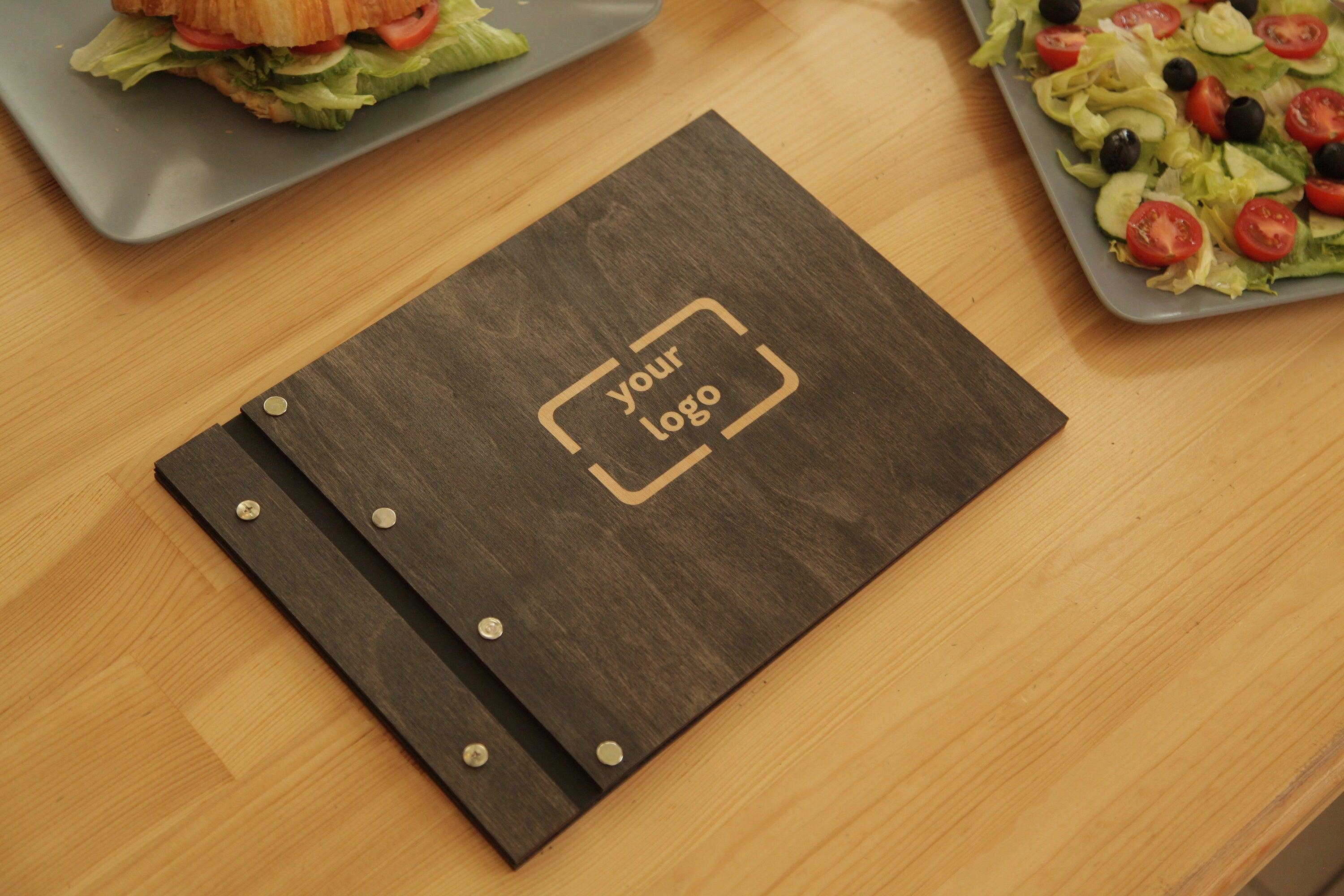
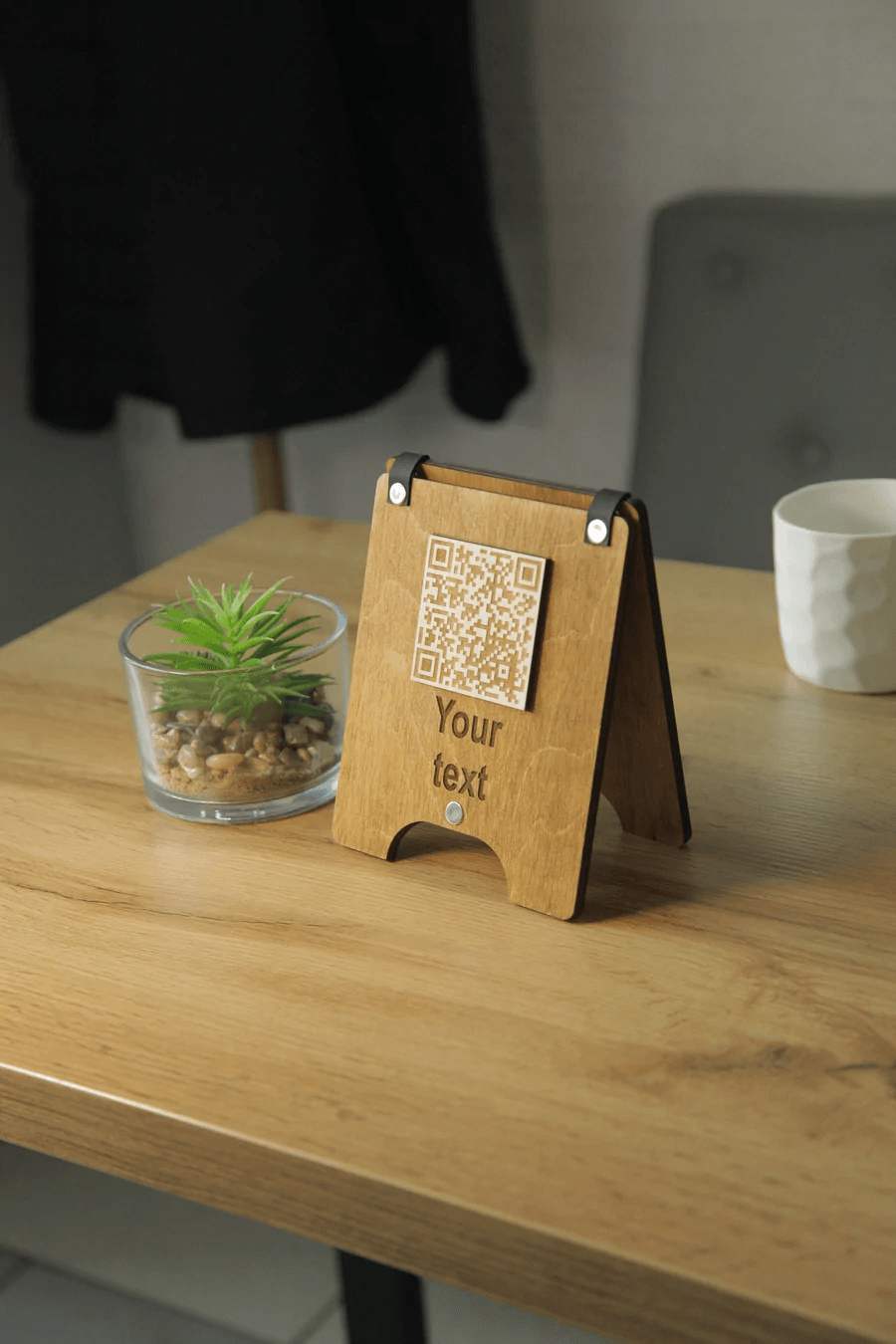
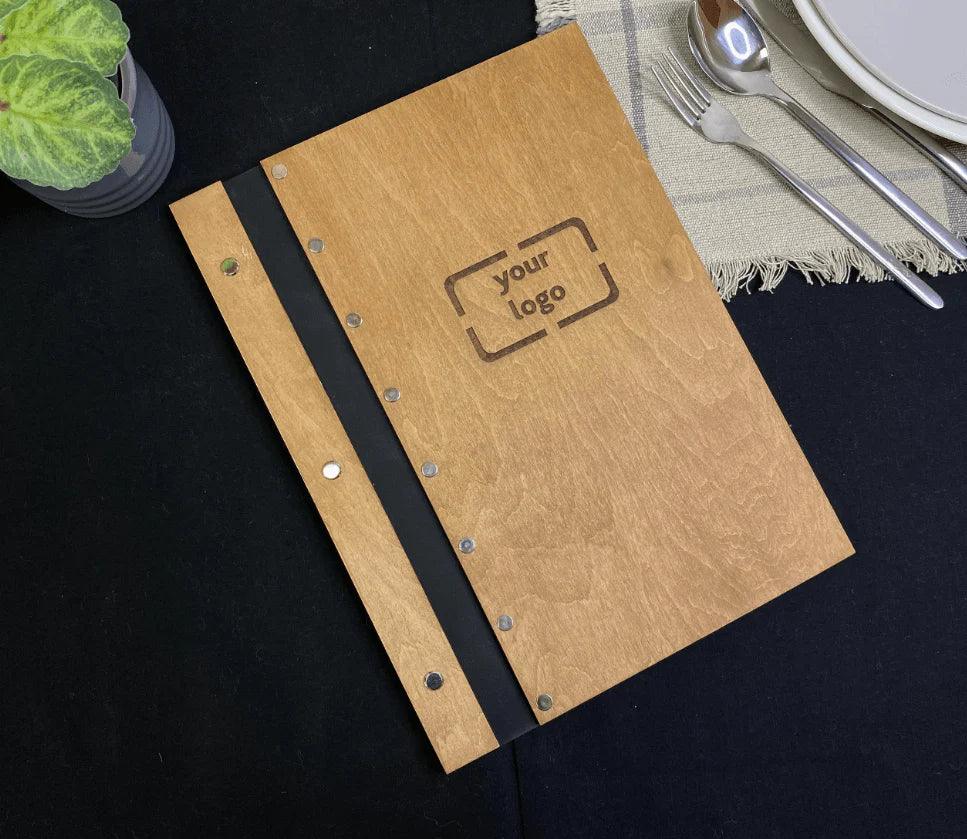
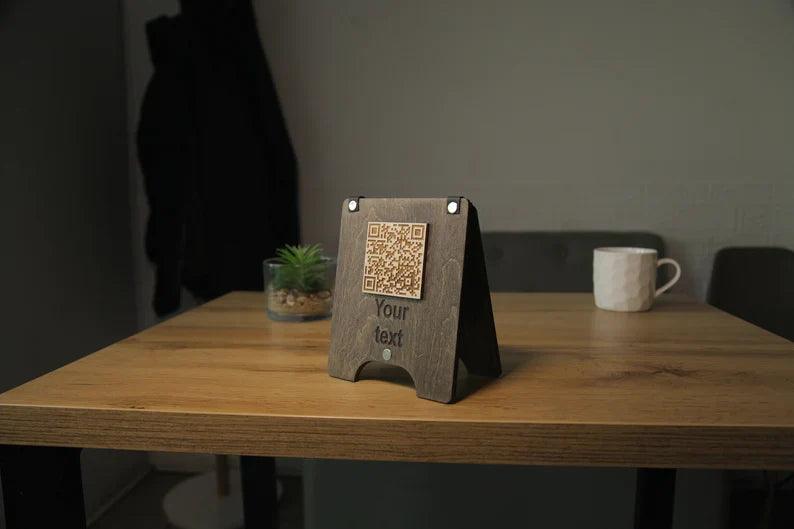
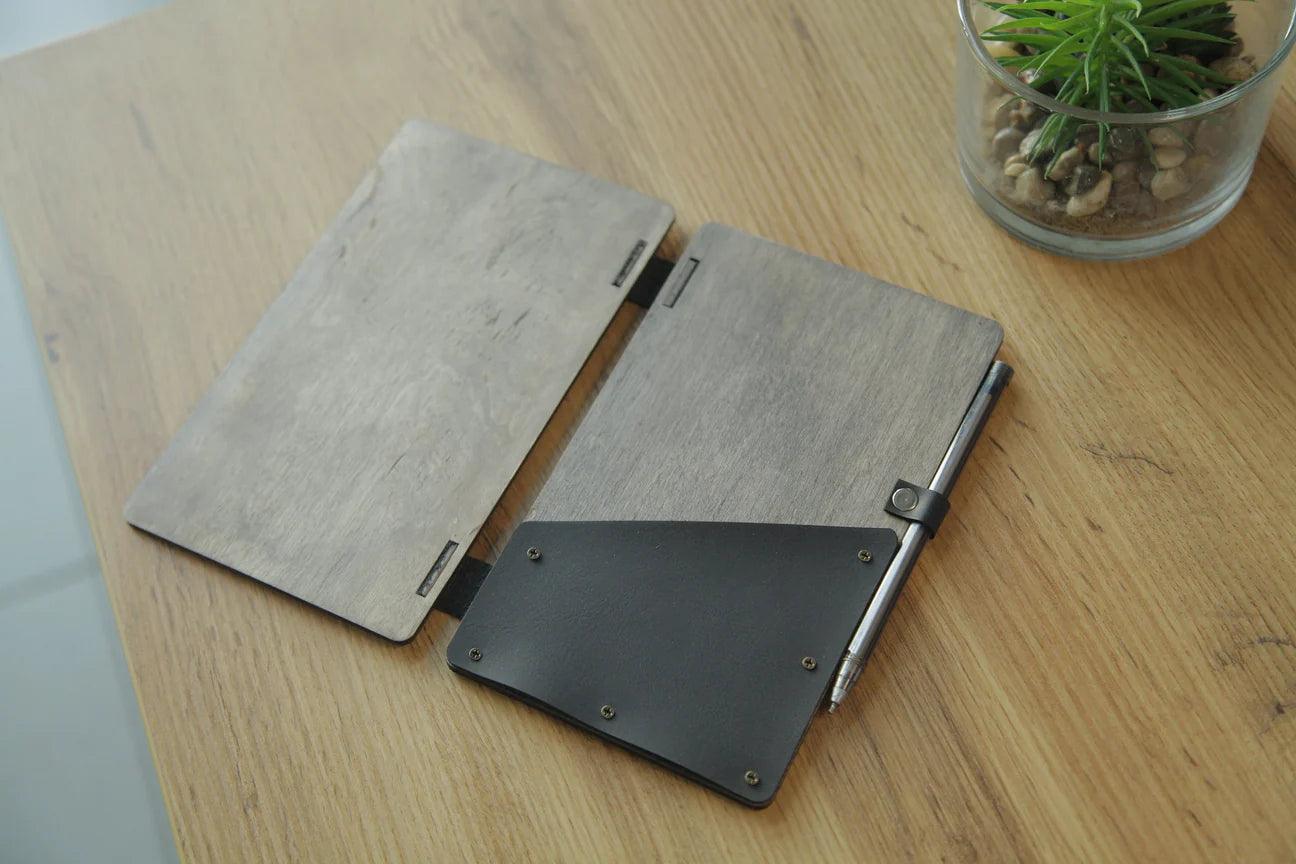
KyivWorkshop helps you turn those details into memorable experiences with beautifully crafted menu covers, QR code stands and other custom-made design elements.
Explore our collection of customizable decor items and transform your Japanese restaurant into a truly unforgettable space.
FAQs
What types of restaurants are there in Japan?
Japan has many types of restaurants, ranging from small noodle shops to refined dining establishments. Some places specialize in seafood, while others focus on grilling or frying techniques such as those used in tempura ya. Many venues are specialized japanese restaurants that concentrate on preparing one dish with great precision. This diversity reflects the rich tapestry of Japanese dining traditions.
What are Japanese style restaurants called?
Traditional establishments in Japan are often named after the dish they serve, such as ramen-ya or sushi-ya. These specialized restaurants focus on mastering a particular cooking style or ingredient. Some casual venues function as a japanese pub, where guests gather for drinks and snacks. This system helps organize the many dining options found across Japan.
What are the best examples of authentic Japanese restaurants with a rich history?
Some of the most respected places are historic high end restaurants that maintain traditional cooking methods. These venues often serve a formal kaiseki meal that highlights seasonal ingredients and careful presentation. Their cuisine reflects centuries of japanese culture and culinary tradition. Many of these establishments are known for exceptional quality and attention to detail.
What are the best Japanese fast food chains?
Japan has several well-known fast dining chains offering affordable meals and quick service. Locations around busy areas such as tokyo station serve commuters and travelers throughout the day. Customers often place orders using a vending machine before sitting down. These chains are popular because they provide great food efficiently.
What are the main types of sushi restaurants in Japan?
Sushi restaurants range from conveyor belt chains like kura sushi to traditional chef-run counters. In more refined establishments, chefs carefully season the sushi rice to complement the seafood. The freshness of raw fish is essential for high-quality sushi. Each format offers a slightly different dining experience.
What are the Japanese dining tables called?
Traditional Japanese dining tables are called chabudai and are commonly used in tatami rooms. Guests sit on cushions while enjoying balanced set meals served on trays. These meals typically include rice, soup, and side dishes such as pickled vegetables. This format reflects everyday Japanese home-style dining.
What is the difference between Korean and Japanese ramen?
Japanese ramen usually features wheat noodles in broth flavored with ingredients like soy sauce or miso. The dish is normally served hot and topped with meat, eggs, and vegetables. Korean ramyeon tends to be spicier and often uses instant noodles with chili seasoning. Although similar in concept, the flavor profiles differ significantly.
What is the difference between Kappo and Kaiseki?
Kappo dining emphasizes interaction between chef and guests during preparation. In these restaurants, chefs may grill seafood or meat over hot charcoal while serving dishes directly to diners. Kaiseki focuses on carefully arranged courses featuring seasonal delicacies. The presentation of each course is treated as a refined culinary art.
Which noodle dishes are commonly served in traditional Japanese restaurants?
Traditional Japanese noodle dishes include ramen, soba, and udon. Soba and udon can be served in broth or as cold noodles with dipping sauce. These dishes are common in casual dining spots and noodle shops. Many visitors encounter them while exploring Japanese restaurants.
What makes izakaya restaurants different from other casual dining spots in Japan?
Izakaya are informal gathering places where people eat, drink, and socialize. These izakaya restaurants provide a relaxed atmosphere where diners share small dishes. Popular menu items include grilled snacks and meat skewers cooked over charcoal. Drinks such as beer or sake are often enjoyed with the food.
How does Japanese haute cuisine differ from everyday dining in Japan?
Japanese haute cuisine focuses on elegant presentation and premium ingredients. Dishes may feature luxury products such as wagyu beef or regional specialties like kobe beef. Meals are served as a carefully arranged special meal with multiple courses. This style treats cooking as a refined art form.
What are the most common Japanese restaurant types visitors can experience in Japan?
People visiting japan will encounter a wide range of casual eateries across cities and neighborhoods. Some restaurants specialize in seafood dishes like grilled fish, while others focus on noodles or rice bowls. Large dining areas can often be found inside shopping centers and department stores. These locations offer easy access to diverse Japanese cuisine.
How do Japanese restaurants ensure the quality of fresh fish used in their dishes?
Seafood quality is maintained through strict supply chains and early morning fish market deliveries. Chefs carefully examine the texture and freshness of raw fish before preparing sushi or sashimi. Some dishes are cut into thin slices to highlight texture and flavor. This careful handling ensures the seafood remains incredibly delicious.
What are the most iconic dishes in Japanese food culture?
Several dishes represent the global image of Japanese cuisine. Popular items include sushi, ramen, and tempura served in many Japanese restaurants. Some establishments specialize in dishes such as grilled eel as their signature dish. Bamboo shoots are commonly used in Japanese cuisine, especially in seasonal dishes and ramen toppings. Japanese fried chicken, known as karaage, is a popular menu item in casual restaurants and street food stalls. Together these classics define the worldwide appeal of Japanese food.






,%20Sushi-ya%20(sushi),%20Ramen-ya%20(noodle%20shops),%20and%20Kaiseki%20(tradition...)