


How to start a buffet restaurant in 2026: step-by-step guide
Opening a buffet restaurant involves creating a detailed business plan, securing financing (approximately $610,000+ in CapEx), and finding a high-traffic location. Success requires strict food safety compliance, specialized equipment (hot/cold holding stations), strategic menu pricing to manage food costs, and hiring experienced management to oversee high-volume operations.
Key steps to opening a buffet restaurant include:
-
Business plan & concept: Define your buffet concept (e.g.,2 Chinese, American, Brazilian) and create a plan detailing your budget, target market, and financial projections.
-
Secure funding: Buffet startups require high initial capital for construction and large inventory, requiring a cash buffer for operating costs.
-
Location & layout: Choose a high-visibility, accessible location. Design a layout with a strong customer flow, allowing easy access to buffet stations without overcrowding.
-
Permits & licenses: Obtain a business license, food service permit, health department approval, fire department permit, and a liquor license if serving alcohol.
-
Equipment & sourcing: Acquire specialized equipment including bain-maries, hot holding tables, cold buffet bars, large refrigeration systems, and industrial dishwashers.
-
Menu & staffing: Design a menu balancing expensive items with high-margin items to maintain profitability. Hire skilled staff to manage the kitchen, maintain food safety standards, and manage service.
-
Marketing & launch: Market your restaurant through social media and local advertising, emphasizing value and variety.
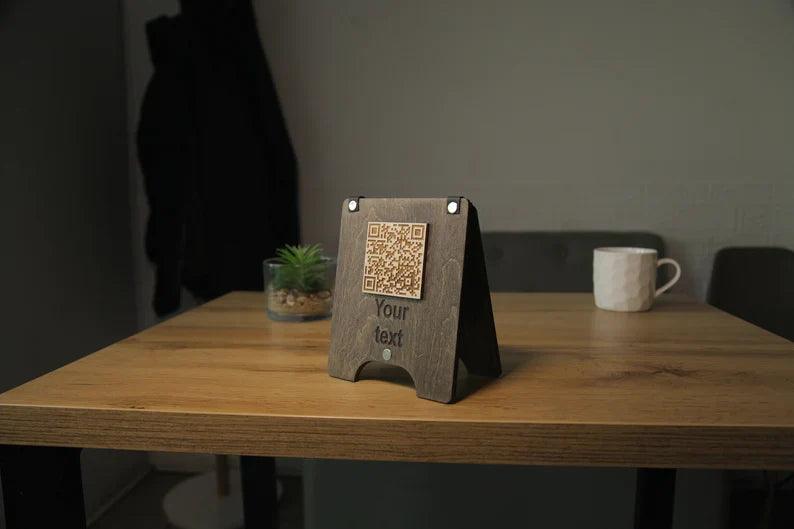
At KyivWorkshop, we have spent years crafting customizable restaurant decor items designed to attract attention and help businesses grow their revenue. In this guide, we’ll explore how to start a buffet restaurant step by step.
What is a buffet restaurant?

A buffet restaurant is a self-service dining format where guests pay a fixed price and serve themselves from a variety of dishes displayed on shared stations, typically including appetizers, main courses, and desserts.
This model allows guests to choose what they want and how much they want, while restaurants focus on high-volume service, quick table turnover, and cost control by balancing low-cost and high-demand menu items.
How to start a buffet restaurant: step-by-step process

A buffet is not just a bigger restaurant. It runs on volume, fast refills, and tight cost control. Each step below focuses on how to set it up so it actually works in practice.
Business plan & concept
Define a clear buffet concept that is easy to execute at scale, not just attractive on paper. Focus on cuisine that allows batch cooking, stable quality, and controlled costs, while building a pricing model that works with high traffic and repeat visits.
Secure funding
Buffet restaurants require significant capital due to space, equipment, and inventory needs, so plan for both setup costs and a cash buffer for the first months of operation. Underestimating working capital is one of the main reasons buffet concepts fail early.
Location & layout
Choose a location that supports constant foot traffic and allows enough space for multiple food stations and smooth movement. The layout should reduce bottlenecks, guide guests naturally through stations, and keep service areas easy to monitor and refill.
Permits & licenses
Buffet formats are closely monitored due to food safety risks, so approvals can be stricter and more detailed. Make sure your setup meets all health, fire, and operational requirements before opening to avoid delays or forced changes later.
Equipment & sourcing
Invest in reliable hot and cold holding equipment that keeps food safe and visually appealing for extended periods. Build relationships with bulk suppliers early to maintain stable pricing and consistent supply at scale.
Menu & staffing
Design a menu that balances high-cost items with filling, high-margin options to protect profitability. Staff should be trained not just for cooking, but for constant monitoring, refilling, and maintaining cleanliness across all stations.
Marketing & launch
Buffet restaurants rely heavily on initial traction and repeat customers, so position your offer clearly around value and variety. A strong launch with local visibility and clear pricing helps establish steady traffic from the start.
Buffet restaurant theme ideas

Your theme defines what food you serve, how you price it, and who comes back. Choose a concept that is easy to scale, repeat daily, and manage with consistent quality.
Tech-driven buffet
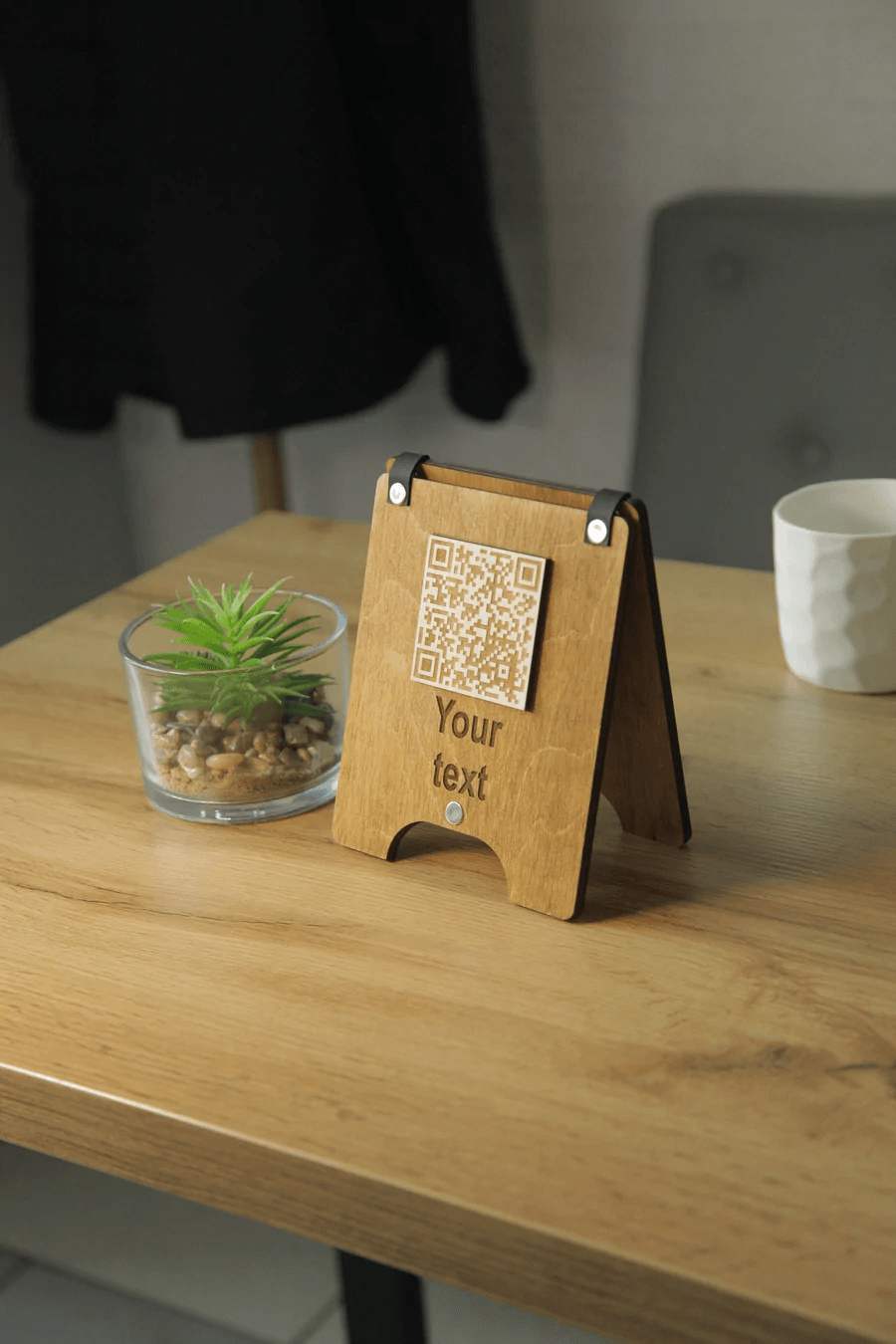
Use tablets, QR codes, or screens to show dishes, ingredients, and availability in real time. This reduces confusion, speeds up decisions, and allows you to highlight high-margin items dynamically.
Interactive cooking stations
Let guests see food prepared in front of them, such as live grills, pasta stations, or dessert assembly. This increases perceived value and keeps people engaged while waiting.
Experience-based buffet
Add elements like music, lighting changes, or cultural performances tied to the theme. This shifts the focus from just eating to spending time, which can increase average spend.
International buffet
Offer a mix of cuisines like Asian, European, and local dishes in one space to attract a wide audience. This works well in high-traffic areas where customers expect variety and are willing to try multiple options in one visit.
Seafood buffet
Build the concept around premium items like shrimp, fish, and shellfish, supported by lower-cost sides. Pricing is higher, so control portions and sourcing carefully to protect margins.
BBQ and grill buffet
Center the experience around grilled meats and live cooking stations, which adds perceived value and justifies higher pricing. This format depends on skilled staff and efficient meat sourcing.
Vegetarian or vegan buffet
Offer plant-based dishes that are naturally lower in cost and can be prepared in bulk. This theme works well in urban areas with health-focused or niche audiences.
Comfort food buffet
Serve familiar, filling dishes like pasta, casseroles, and fried items that are inexpensive and popular. This concept is easier to manage and works well for family-focused dining.
Buffet restaurant business plan

A successful buffet restaurant business plan requires a clear concept (e.g., all-you-can-eat, themed, or premium), precise food cost control (targeting under 35% of revenue), and a high-traffic location. Key components include detailed financial projections (startup costs often exceed $610k, including build-out), a strategic menu designed for bulk preparation, and a strong, targeted marketing plan.
1. Executive summary
Use this section to explore the core idea, pricing model, and why your buffet will work in your chosen location.
-
Concept: Define the theme (e.g., International, Seafood, Comfort Food) and USP (Unique Selling Proposition).
-
Mission Statement: Focus on value, variety, and customer experience.
-
Financial Highlights: Summarize startup costs (approx. $610k+ CapEx) and 3-month break-even target.
2. Company overview
Explain how the business is set up legally, how big the space is, and what capacity you plan to operate at.
-
Ownership Structure: Legal structure (LLC, Corporation).
-
Location: High-visibility location with ample parking (5,000+ sq ft recommended).
-
Objectives: Milestones such as opening date, first-year revenue targets, and menu expansion.
3. Market analysis
Identify who will visit your buffet most often and how your offer compares to nearby options in price and variety.
-
Target Market: Define the demographic (e.g., families, business professionals, students).
-
Competitor Analysis: Evaluate nearby buffets (pricing, peak times, quality).
-
SWOT Analysis: Strengths (e.g., high variety), Weaknesses (e.g., high waste), Opportunities (e.g., themed nights), Threats (e.g., labor costs).
4. Menu & service strategy
Show how your menu supports profit by combining low-cost, filling items with a few high-demand dishes that attract customers.
-
Menu Engineering: Focus on high-margin, filling items (rice, pasta, vegetables) complemented by lower-margin, high-appeal items (carving station).
-
Service Model: Buffet line setup, catering, or takeaway options.
-
Quality Control: Strict policies for rotating food and managing temperatures to ensure freshness.
5. Marketing strategy
Outline how you will generate steady traffic, especially during weekdays and off-peak hours.
-
Digital Presence: Social media, local search optimization, and a user-friendly website.
-
Grand Opening: Special offers for locals.
-
Loyalty Programs: Encourage repeat visits.
6. Operations plan
Describe how you will manage food flow, refilling, and cleanliness without slowing down service.
-
Staffing: Hiring for specialized roles (buffet chefs, attendants).
-
Equipment: Specialized equipment required: hot/cold holding tables, buffet bars, commercial kitchen gear.
-
Inventory & Purchasing: Relationships with bulk suppliers to keep food costs below 35%.
7. Financial plan
Detail your costs, monthly expenses, and how many guests you need per day to stay profitable.
-
Startup Costs: Approximately $610,000 CAPEX (build-out, equipment) + $520,000 cash buffer.
-
Operational Costs: Rent, labor (targeting 16–18% of revenue), utilities (high energy use), food costs.
-
Break-Even Analysis: Aiming for a 3-month to 10-month payback period.
-
Revenue Projection: Based on capacity, average check size, and turnover rate.
Best buffet business models

Buffet restaurants can operate in different ways depending on pricing, menu structure, and target audience. Choosing the right model affects costs, customer expectations, and how stable your revenue will be.
All-you-can-eat (fixed price)
Guests pay one price for unlimited food, which drives high traffic and simple operations. Profit depends on controlling average consumption and guiding choices through menu design.
Tiered pricing model
Offer different price levels based on time (lunch vs dinner) or menu access (standard vs premium items). This helps increase revenue while keeping entry pricing accessible.
Weight-based (pay by plate)
Guests pay based on the weight of their food, which reduces waste and gives more cost control. This model works well in urban areas with quick, casual dining.
Hybrid buffet model
Combine buffet access with à la carte options like premium dishes or drinks. This allows upselling without changing the core buffet structure.
Limited buffet (partial selection)
Offer a smaller, focused selection instead of a large spread to reduce waste and simplify operations. This works well for niche concepts or smaller spaces.
Premium buffet experience
Position the buffet as a higher-end offering with better ingredients, curated dishes, and a refined setup. Higher pricing is justified through quality and atmosphere rather than quantity.
Event or time-based buffet
Operate buffets during specific hours or occasions like brunch, weekends, or themed nights. This helps control costs and creates demand around limited availability.
Key operational considerations for your buffet

Running a buffet is not just about setting up food stations. Daily performance depends on how well you control waste, maintain safety, and keep everything running smoothly during service.
Food cost control
Buffets are highly sensitive to waste, so you need tight control over portions, refilling frequency, and inventory. The goal is to keep food costs predictable by preparing in batches, tracking what gets consumed, and adjusting the menu based on real demand.
Safety standards
Food sits out longer in a buffet, which increases risk if not handled correctly. You need strict temperature control, regular checks, and clear processes for replacing items before quality drops or safety becomes an issue.
Staff training
Staff are not just serving food, they are managing flow. They need to monitor stations, refill quickly, keep the area clean, and respond fast during peak hours to avoid empty trays or mess buildup.
Explore buffet restaurant decor items that guests remember

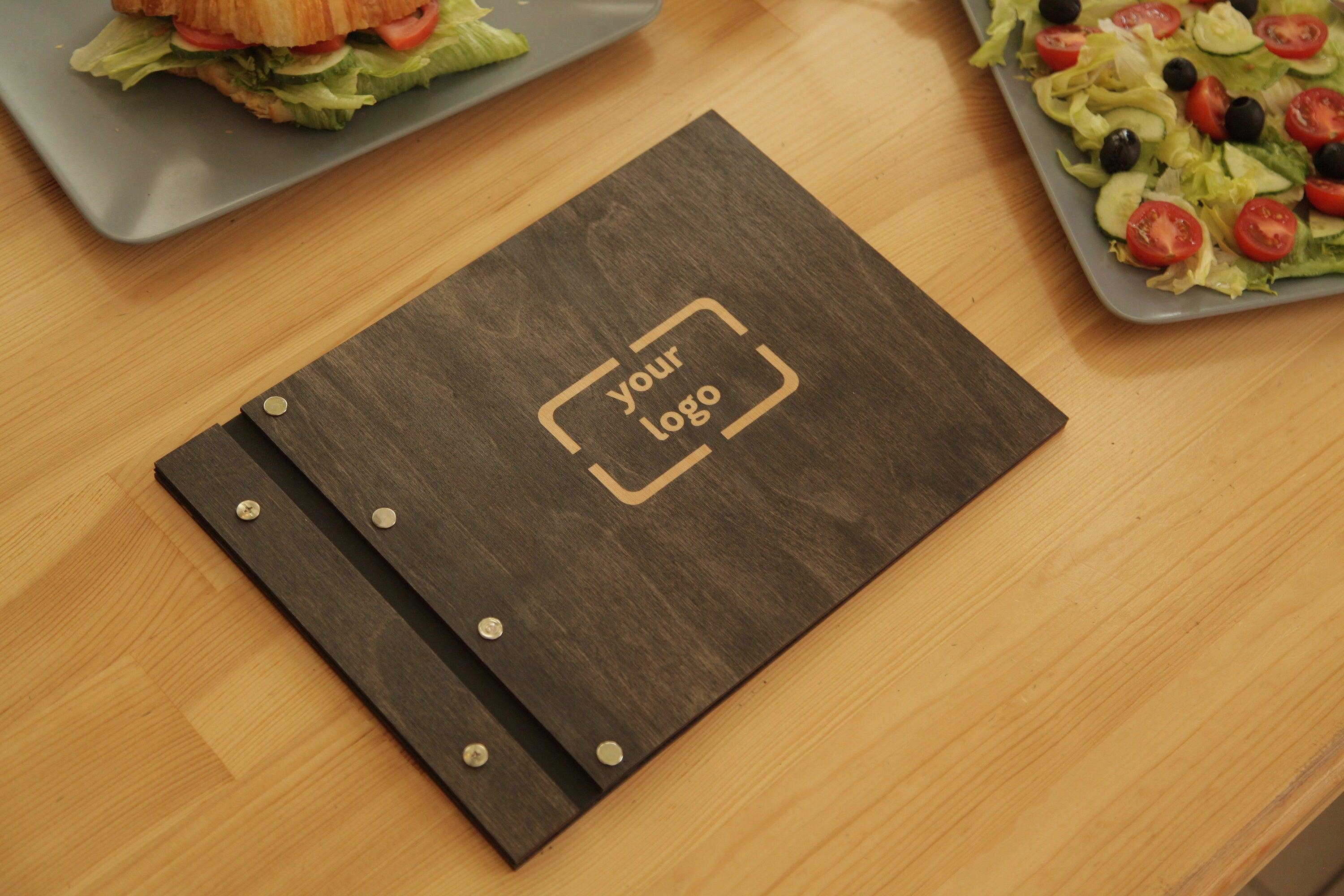
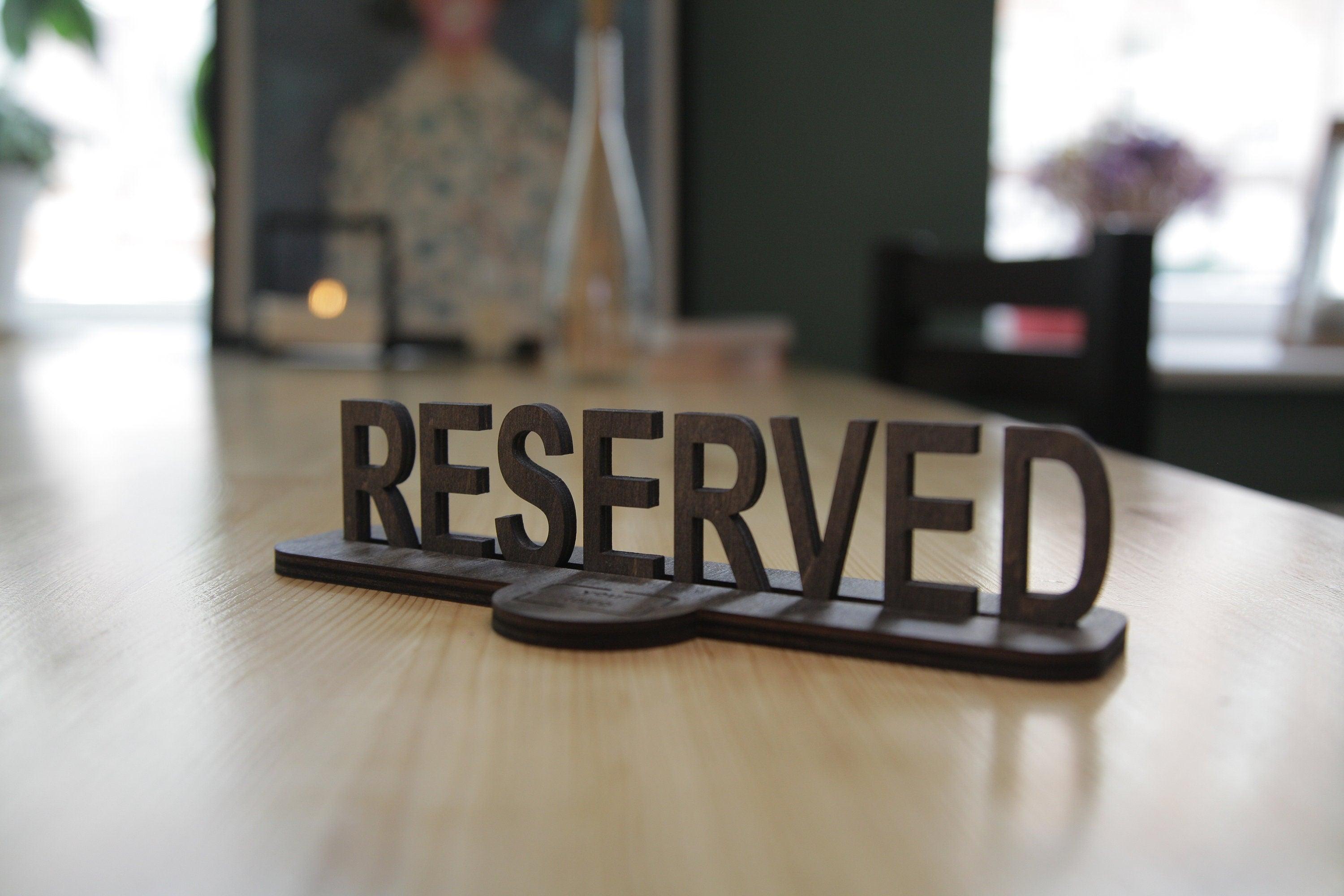
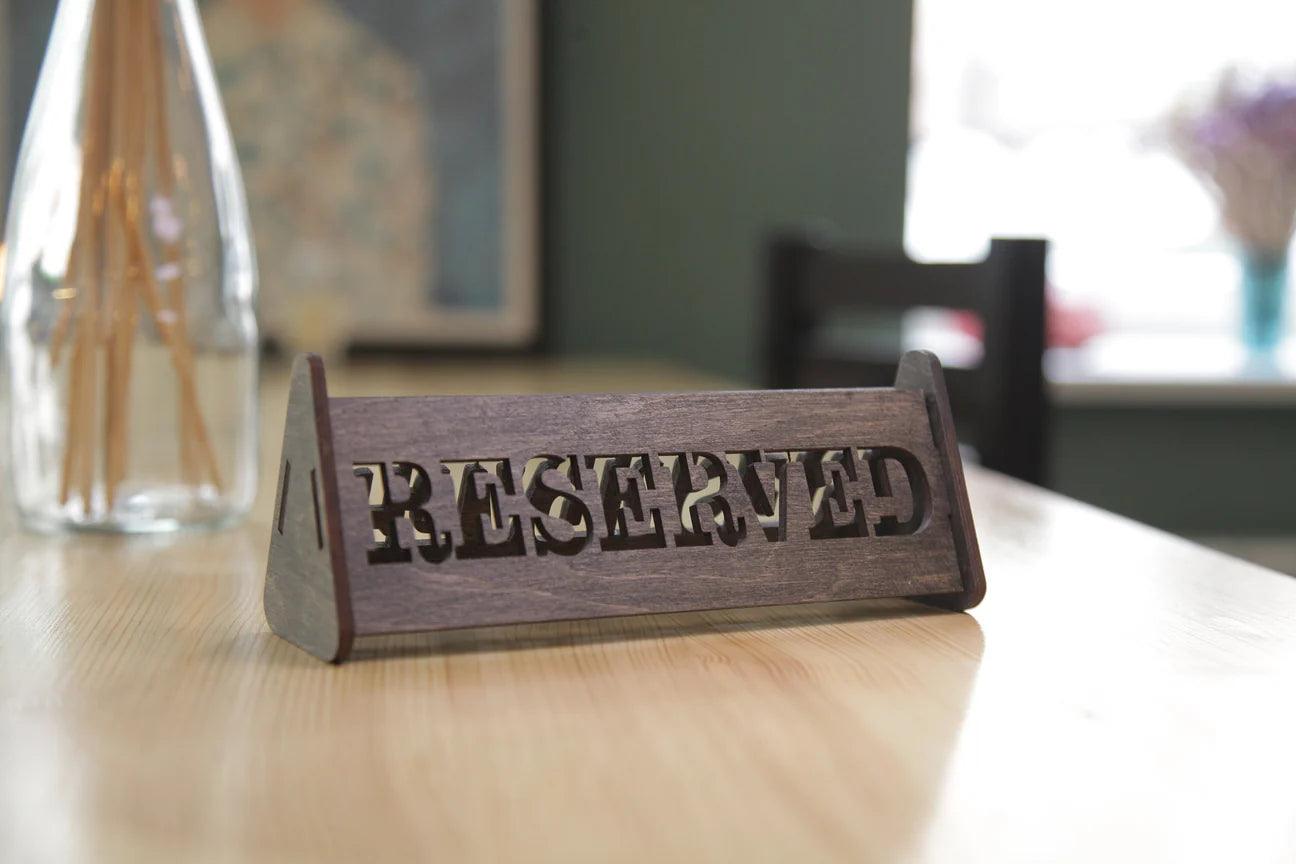
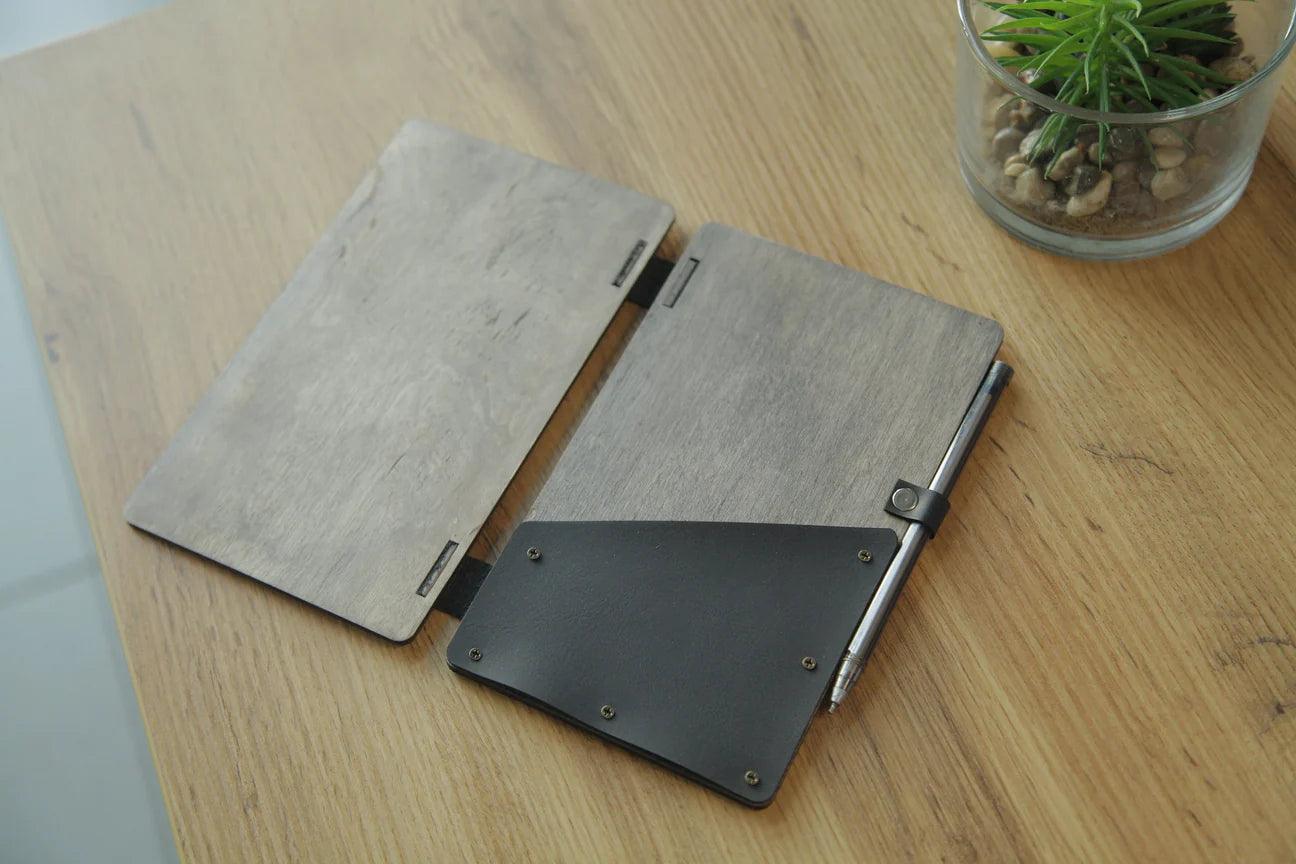
At KyivWorkshop, we create customizable décor elements to help turn restaurant tables into visually engaging, well-designed spaces. Each item can be tailored to match your concept, color palette, and overall atmosphere.
Explore our collection of custom restaurant accessories to transform your buffet restaurant into subtle sales driver that captures attention and brings customers back again and again.
FAQs
How much does it cost to start a buffet restaurant?
Starting a buffet restaurant typically costs between $180,000 and over $1 million, with a specialized, high-volume buffet often requiring approximately $610,000 in startup capital plus a $520,000 cash buffer. Major expenses include $200,000 for facility build-out and $150,000 for kitchen equipment. For a new business, it is important to also plan extra costs for the first months before stable traffic begins.
How to start a buffet business?
Buffet restaurant starting begins with careful planning, including concept, pricing, and operations. You need to do market research to understand demand and identify your potential customers. Secure funding, choose a location, and design a system where customers serve themselves efficiently. A strong launch strategy helps attract new customers from the beginning.
What are key strategies for a buffet restaurant?
The main goal is to balance variety with operational efficiency to keep costs controlled. Successful operators use menu design to guide customers toward more cost effective choices. Creating a loyal customer base depends on consistency and customer satisfaction. Adding themed buffets or limited-time offers helps keep interest high.
How to set up a buffet restaurant?
A buffet style restaurant needs a layout that supports smooth movement and avoids crowding. The buffet line should be easy to follow, with clear sections for different food options. Install equipment like heating systems and sneeze guards to maintain safety and quality. Well-designed table setups and accessories from KyivWorkshop can improve flow and overall service experience.
How does a buffet work?
In a buffet, customers serve themselves from shared stations and pay a fixed price. The buffet service focuses on fast refilling and maintaining food quality during service hours. Guests move along the buffet line and choose what they want to eat. This model allows customers to make informed choices about portions and variety.
How does a buffet restaurant make money?
Revenue comes from volume, meaning more customers served per day increases total money earned. Profit depends on controlling food costs and maintaining healthy profit margins. Many buffets increase revenue through drinks, desserts, or add-ons like free drinks promotions that attract traffic. Efficient operations ensure consistent service without increasing expenses.
What food goes first in a buffet?
Lower-cost, filling items like salads, bread, and rice are placed at the start of the buffet line. This encourages customers to fill their plates early with more cost effective options. After that, higher-value hot foods and protein dishes are placed later. This setup helps control costs without limiting choice.
What are the most popular buffet foods?
Popular items include grilled meats, pasta, rice dishes, and a wide range of food offerings. Hot foods like chicken, curries, and stir-fries are usually the most in demand. In concepts like an indian restaurant, dishes such as biryani and paneer are common favorites. Including a few signature dishes helps attract more customers.
What are the disadvantages of buffets?
One of the main challenges is high food waste, which increases overall costs. Buffets also require more space and staff coordination compared to traditional restaurants. Maintaining food safety during long service hours can be complex. In many buffets, poor control of portions can reduce profit margins.
What type of restaurant is most profitable?
Profitability depends on concept and execution, not just format. Buffets can be highly profitable when volume is high and costs are controlled. Compared to traditional restaurants, buffets rely more on efficiency than pricing. The best model is one that consistently attracts customers and maintains strong profit margins.
How much do buffet owners make?
Income varies widely based on location, size, and cost control. A well-run buffet can generate strong money flow due to high volume. However, poor management of costs and waste can reduce profits significantly. Experienced restaurant owners focus on efficiency and consistency to maintain stable earnings.
What's a good price for a buffet?
A good price depends on local competition and perceived value for customers. Lunch is usually cheaper, while dinner service pricing is higher due to expanded options. Pricing should cover all costs while still feeling attractive to potential customers. Many operators adjust pricing to balance traffic and profit margins.
How is the food in the buffet prepared?
Food is prepared in large batches to support continuous service. Items are designed to hold well over time, especially hot foods in warming equipment. Kitchens focus on consistency and speed to keep the buffet line full. This approach helps manage costs and reduce delays.
How much do you tip at a buffet restaurant?
Tipping at a buffet is usually lower than full-service restaurants. Since customers serve themselves, staff mainly provide support and cleaning service. A typical tip ranges from 5% to 10%, depending on the level of service. If drinks or table service are included, tipping may be slightly higher.
Is it better to do buffet-style for a wedding?
Buffets are often more cost effective for large groups compared to plated meals. Guests can choose what they want to eat, which improves overall experience. Many venues also combine buffets with catering services for flexibility. Well-designed presentation and décor, such as custom items from KyivWorkshop, can elevate the setup for special events.
How to minimize food waste in a buffet restaurant?
Control portions and refill food in smaller batches during service. Track consumption patterns and adjust menu items to fine tune demand. Limiting excess preparation helps reduce unnecessary costs. Monitoring guest behavior helps improve efficiency and reduce waste over time.
What should be included in the buffet menu?
A good menu includes a mix of proteins, sides, and diverse food options. Offer vegetarian, gluten free, and balanced dishes to meet different needs. Highlight a few featured dishes to guide customers toward key items. Clear labeling helps guests make informed choices and improves overall experience.






,%20and%20finding%20a%20high-traffic%20location.%20Success%20requires%20strict%20food%20safe...)