

Best small restaurant ideas for 2026
Small restaurant ideas focus on maximizing limited space through creative design and specialized, high-margin menus. Top concepts include niche cafes, food trucks, pop-up restaurants, and fast-casual spots specializing in items like bagels, BBQ, or edible cookie dough. Success relies on cozy layouts, vertical storage, and multifunctional furniture.
Opening a small restaurant can be a smart and rewarding business move for entrepreneurs who want to combine creativity with manageable startup costs.
In this article, we will explore the best small restaurant ideas, including modern dining concepts, niche food formats, and creative ways to attract customers.
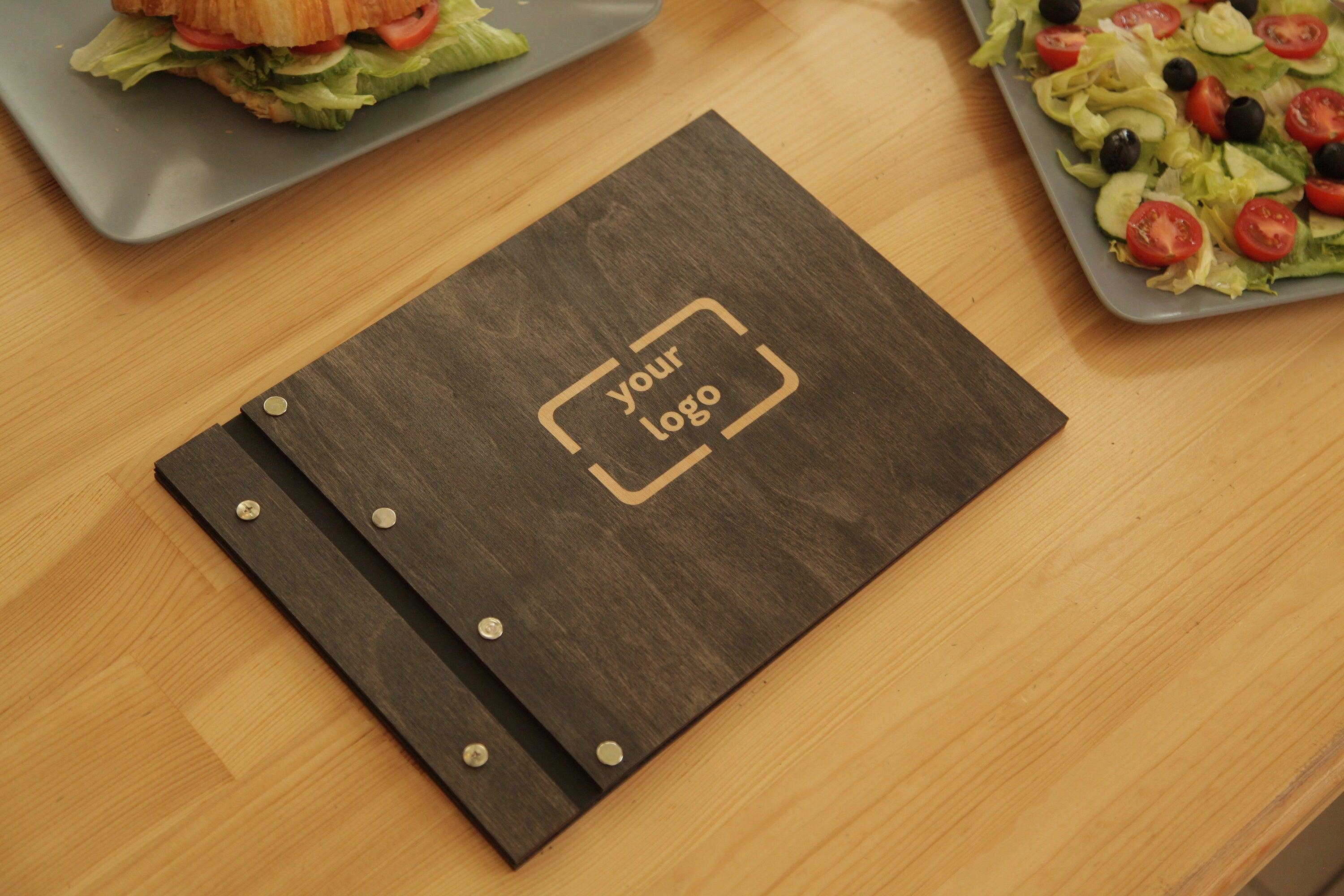
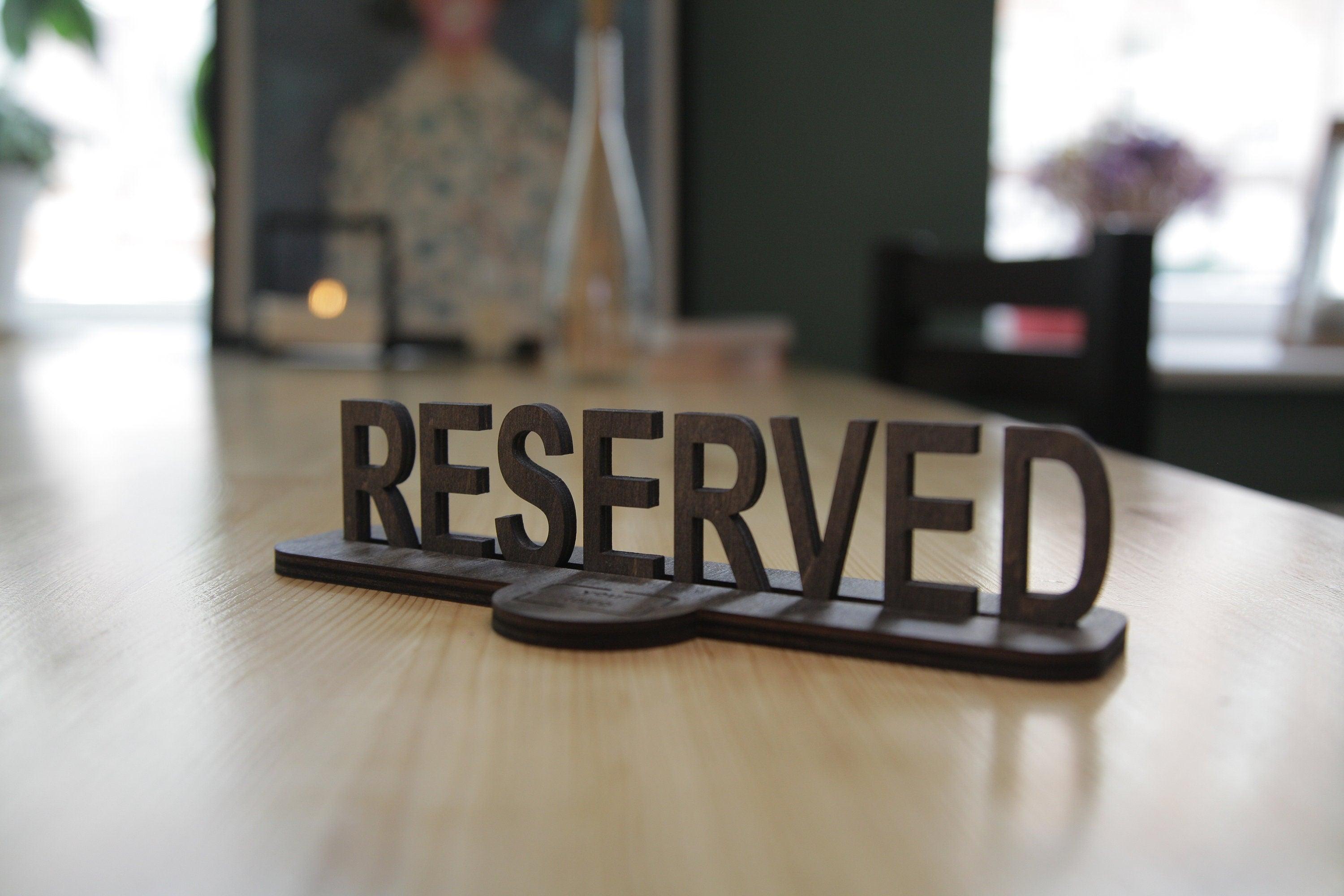
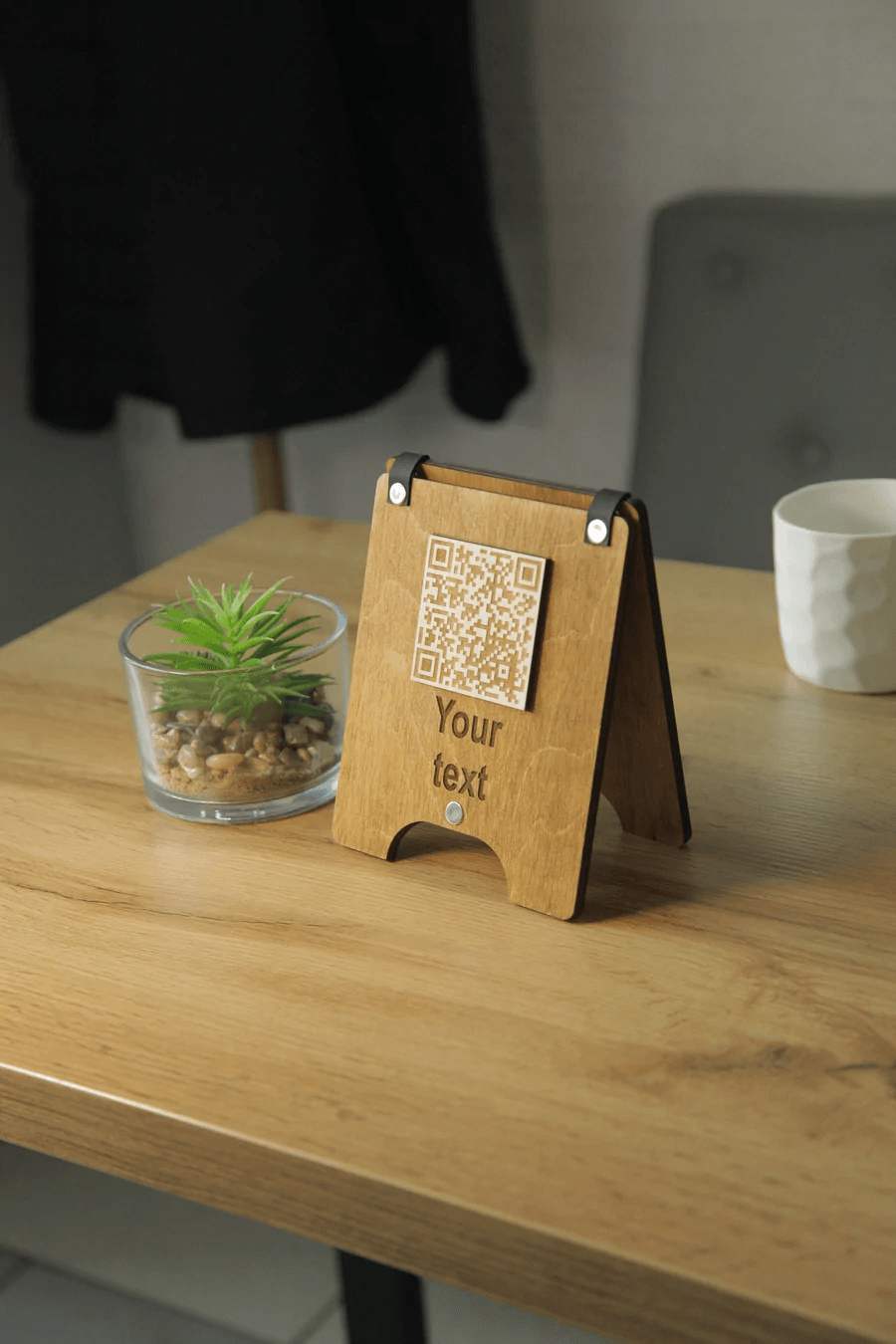
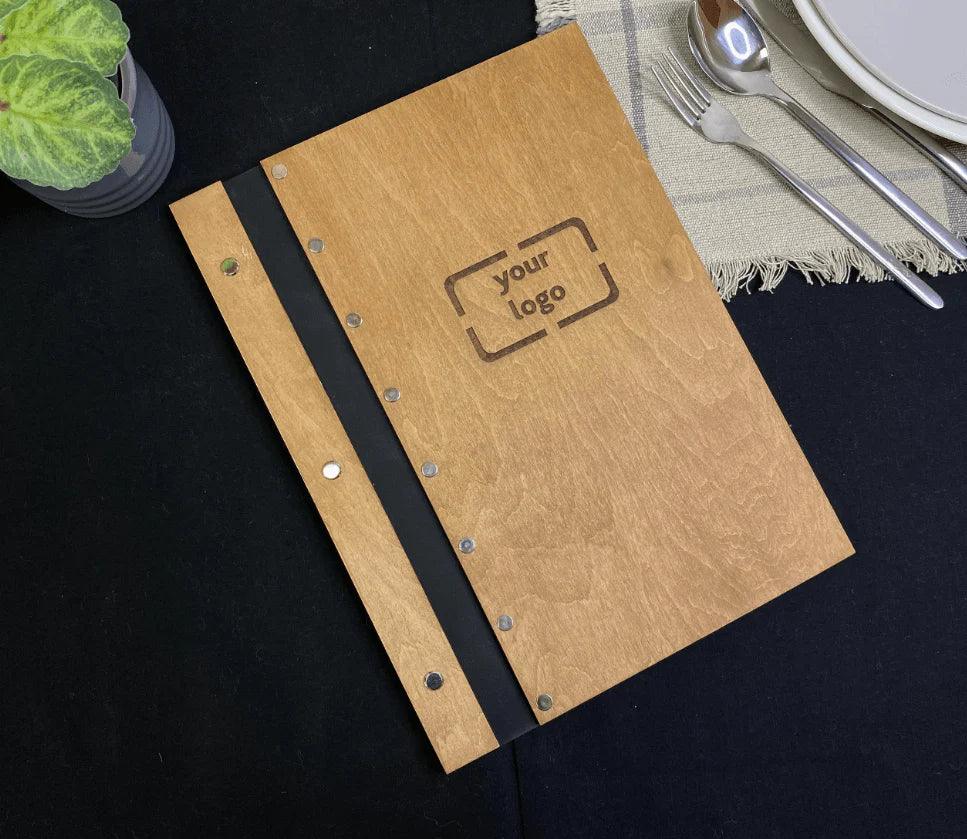
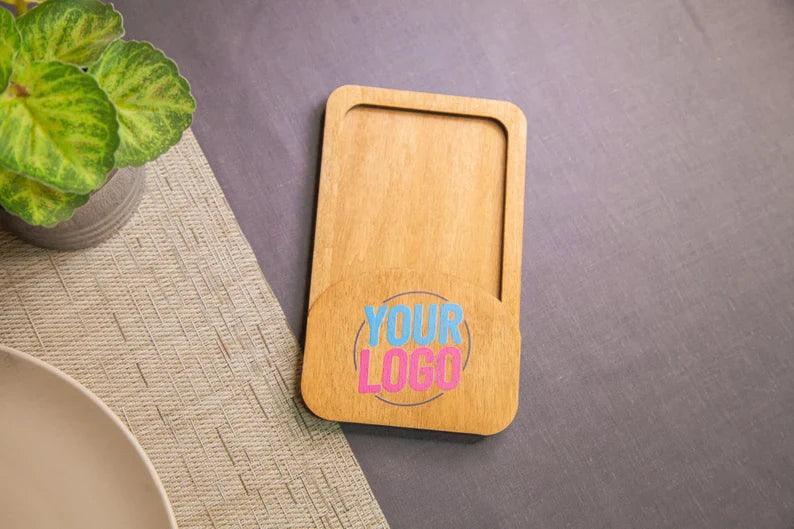
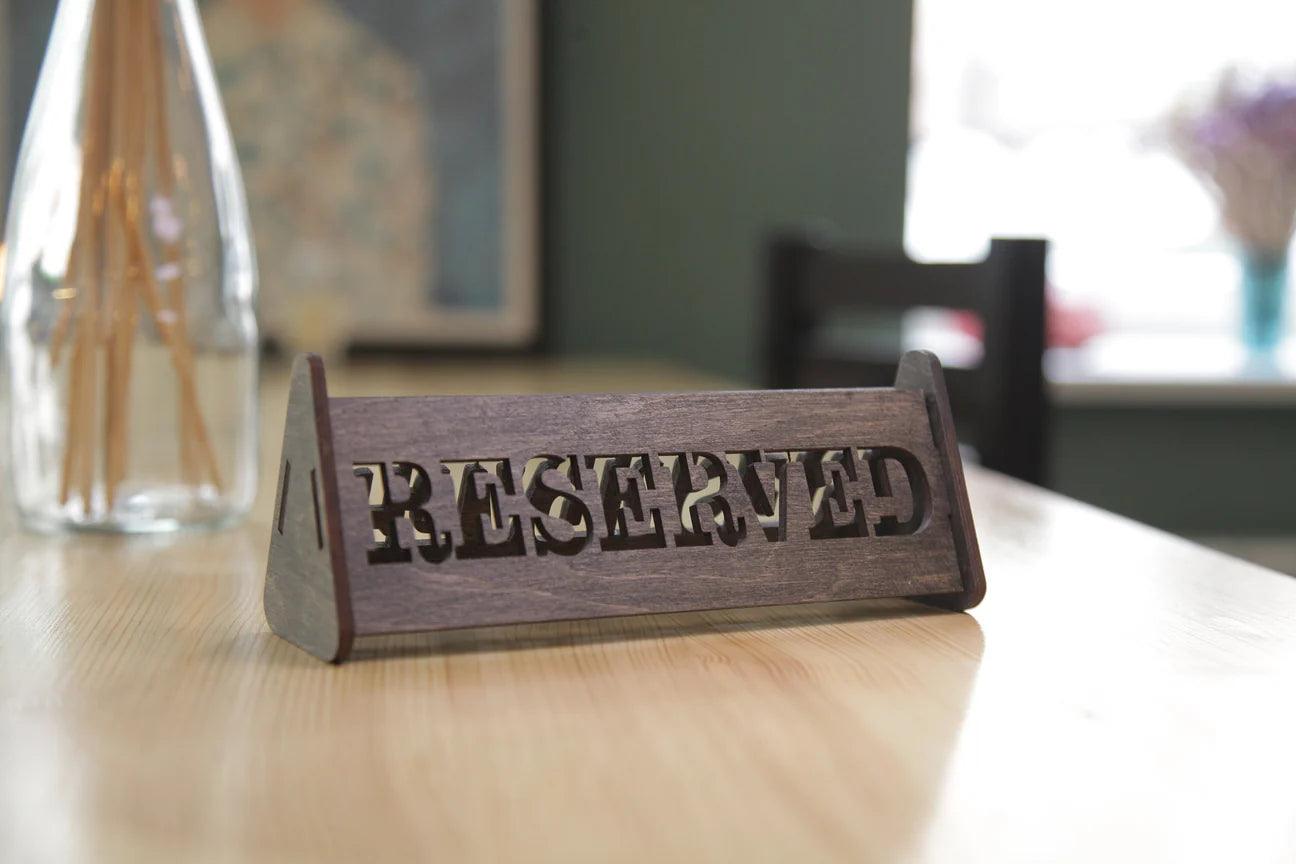
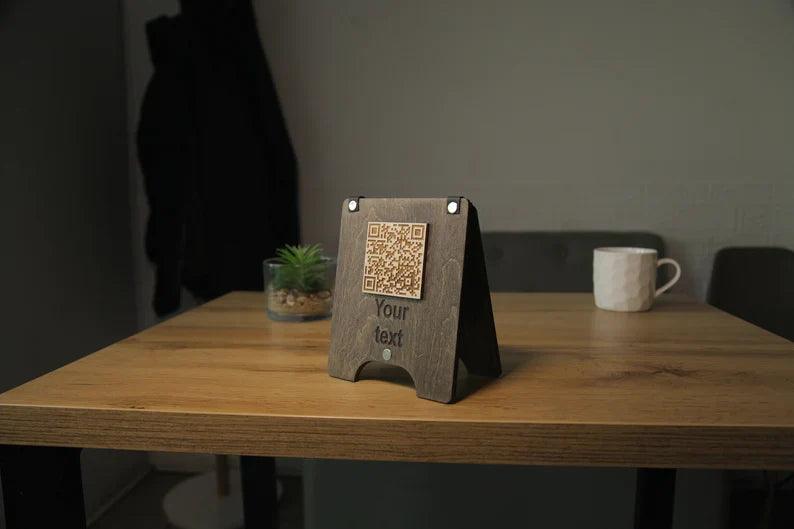
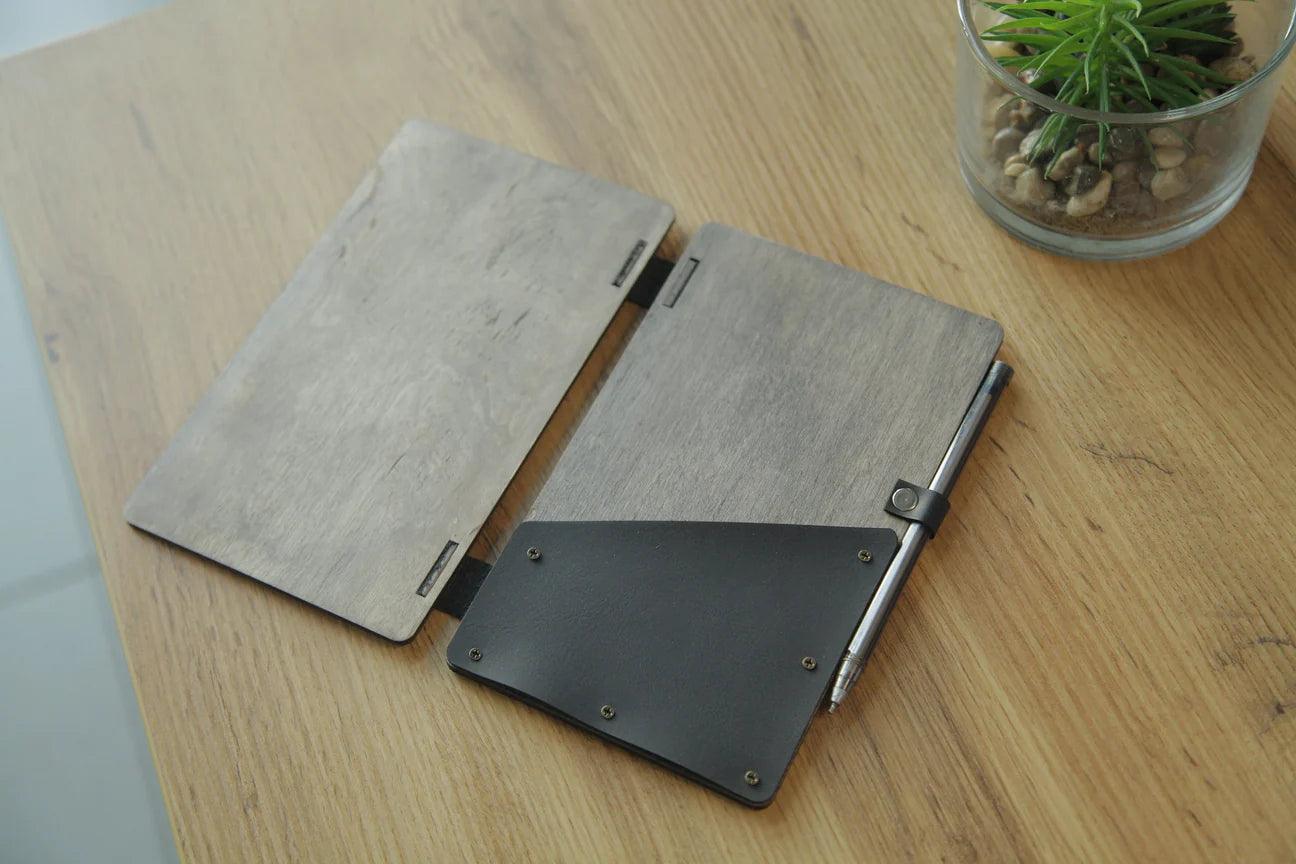
And to give your small restaurant a special touch, explore KyivWorkshop’s customizable restaurant accessories. We create personalised products, from wooden menu covers to QR codes, that add style to your space.
Top small restaurant ideas

Here are some ideas that can help inspire your next restaurant venture:
-
Specialized Cafes: A work-from-cafe concept or a specialty bagel shop.
-
Minimalist Eateries: Edible cookie dough shops or frozen yogurt spots.
-
Fast-Casual / Takeout: BBQ joints or small-footprint burger joints.
-
Mobile & Temporary: Food trucks and pop-up locations reduce overhead costs.
-
Breakfast & Brunch Bars: Pancake houses, waffle bars, or all-day breakfast cafés.
-
Healthy & Wellness Concepts: Smoothie bars, salad kitchens, or plant-based cafés.
-
Dessert-Focused Shops: Crepe cafés, mochi dessert bars, or artisanal ice cream stands.
-
Niche Cuisine Restaurants: Ramen bars, taco counters, or dumpling kitchens specializing in one dish.
-
Street-Food Inspired Spots: Small eateries serving global street foods like shawarma, bao buns, or loaded fries.
-
Coffee & Dessert Hybrid Cafes: Coffee shops paired with pastries, gelato, or specialty desserts.
-
Late-Night Snack Bars: Compact restaurants focused on night crowds with quick comfort foods.
-
Interactive Food Concepts: Build-your-own bowls, noodle bars, or customizable sandwich counters.
Small restaurant ideas by cuisine type

Choosing the right cuisine is one of the most important decisions when starting a small restaurant. These cuisine-focused concepts can help entrepreneurs create unique dining experiences while keeping operations simple and scalable.
Ethnic cuisine restaurant concepts
Ethnic cuisine restaurants focus on authentic dishes from a specific culture or region, such as Thai street food, Italian pasta bars, Mexican taco shops, or Indian curry kitchens. These restaurants often succeed with a focused menu built around traditional recipes and recognizable flavors. A small ethnic restaurant can build strong identity through authentic ingredients, cultural décor, and signature dishes that represent the cuisine.
Single-Item menu restaurants
Single-item menu restaurants specialize in one main product such as burgers, dumplings, ramen, tacos, or grilled cheese sandwiches. By focusing on one core dish, restaurants can simplify operations, reduce ingredient waste, and maintain consistent quality. Customers are attracted by the clear concept and often appreciate the ability to customize toppings, sauces, or portion sizes.
Seasonal and locally sourced concept restaurants
Seasonal restaurants design their menus around ingredients that are available locally during different times of the year. This concept supports local farmers and allows chefs to highlight fresh produce, regional meats, and sustainable seafood. The menu may change regularly, creating excitement for returning customers who want to try new dishes based on seasonal harvests.
Fusion and experimental cuisine formats
Fusion restaurants combine elements from multiple culinary traditions to create new and innovative dishes. For example, a restaurant might serve Korean tacos, sushi burritos, or Mediterranean inspired bowls with global spices. These concepts appeal to customers who enjoy trying creative flavors and modern interpretations of traditional cuisine.
International cuisine niche restaurant ideas

International cuisine concepts allow small restaurants to stand out by focusing on distinctive dishes from specific regions around the world. A niche international restaurant often succeeds with a compact menu, recognizable flavors, and a strong cultural identity that attracts customers looking for something unique and authentic.
Italian pasta and panini café
An Italian pasta and panini café offers freshly prepared pasta dishes, toasted sandwiches, and classic Italian appetizers. The menu can stay small while still providing variety through different sauces and fillings. This concept works well for lunch-focused restaurants and neighborhood cafés looking to serve comforting and familiar meals.
Indian street food café
An Indian street food café can offer small plates such as samosas, chaat, dosa, and curry bowls. These dishes are flavorful, affordable, and easy to serve quickly, making them ideal for a small restaurant format. The vibrant spices and colorful presentation create a memorable dining experience that attracts adventurous customers.
Thai street food kitchen
A Thai street food kitchen can highlight well-known dishes such as pad thai, curry noodles, and stir-fried rice dishes. Thai cuisine is known for balancing sweet, spicy, sour, and salty flavors, which creates memorable meals even with a limited menu. A compact kitchen can handle these dishes efficiently because many ingredients are prepared ahead of time.
Middle Eastern shawarma and kebab shop
A shawarma and kebab shop is a highly efficient small restaurant model that centers around grilled meats, flatbreads, and fresh salads. Customers can order wraps, plates, or bowls with different sauces and toppings. The preparation style allows for quick service while maintaining consistent quality and bold flavors.
Vietnamese pho and banh mi restaurant
A Vietnamese restaurant specializing in pho soup and banh mi sandwiches can operate with a focused and recognizable menu. Slow-simmered broth for pho and fresh ingredients for sandwiches create dishes that are both comforting and flavorful. This concept works well for small spaces because most dishes rely on a shared set of ingredients.
Mexican taco and street food restaurant
A taco and street food restaurant focuses on simple dishes such as tacos, quesadillas, burritos, and loaded nachos. These restaurants can operate in compact spaces because the menu relies on a few core ingredients combined in different ways. Bright flavors, fresh toppings, and quick service make this concept especially popular for casual dining and takeaway orders.
Mediterranean bowl and wrap restaurant
A Mediterranean restaurant built around bowls and wraps offers items like falafel, grilled chicken, hummus, rice bowls, and fresh salads. This cuisine format supports healthy eating trends while allowing customers to customize their meals. The ingredients are versatile and easy to assemble, making it practical for small kitchens and fast-casual service.
Korean fried chicken and street snacks spot
A Korean fried chicken and street snack restaurant focuses on crispy fried chicken, rice bowls, and popular street foods such as tteokbokki. The concept appeals to customers who enjoy bold flavors and shareable dishes. With a compact menu and strong visual appeal, this niche restaurant format can build a loyal following.
Greek souvlaki and pita grill
A Greek souvlaki restaurant focuses on grilled skewers, pita wraps, fresh vegetables, and yogurt-based sauces. The menu remains simple while offering satisfying meals that appeal to both dine-in and takeaway customers. This concept benefits from fast preparation and ingredients that are widely loved across different cultures.
Restaurant theme ideas to create memorable dining experiences

Themed restaurants use atmosphere, décor, music, and interactive elements to create a unique identity that goes beyond the food itself. For small restaurants, a clear theme can strengthen branding and help the business stand out in a competitive market.
Immersive themed dining
Immersive themed dining creates a fully designed environment where every element of the restaurant supports a specific concept or story. Restaurants may recreate settings such as tropical islands, retro diners, fantasy worlds, or futuristic spaces through lighting, décor, uniforms, and music. This approach turns the restaurant into an experience rather than just a place to eat, making it especially attractive for social media sharing and special occasions.
Cultural and historical themes
Cultural and historical themed restaurants focus on representing a particular culture, time period, or regional tradition. For example, a restaurant might reflect traditional Japanese tea houses, medieval taverns, or classic 1920s cafés. The décor, menu design, and service style are all aligned with the theme, creating a sense of authenticity and storytelling for guests.
Activity-based restaurant themes
Activity-based restaurants combine dining with entertainment or interactive experiences. Examples include board game cafés, cooking class restaurants, karaoke dining spaces, or restaurants with live performances. These concepts encourage customers to spend more time at the venue while enjoying both food and activities.
Community-focused restaurant concepts
Community-focused restaurants aim to create a welcoming gathering place for local residents. These restaurants may host neighborhood events, open mic nights, book clubs, or local art exhibitions. By building a sense of connection and belonging, community oriented restaurants often develop loyal customers who return regularly and support the business.
Innovative restaurant concepts

Innovative restaurant concepts focus on new ways of serving food, interacting with customers, and using technology to improve efficiency and the dining experience. As the restaurant industry evolves, many entrepreneurs are experimenting with creative formats that combine convenience, automation, and unique service models. These ideas can help small restaurants stand out while keeping operations flexible and modern.
Automated and robotic restaurants
Automated restaurants use technology such as self-service kiosks, robotic cooking systems, or automated drink dispensers to streamline operations. These restaurants reduce wait times and improve consistency in food preparation. The concept also attracts customers interested in modern technology and futuristic dining experiences.
Ghost kitchens
Ghost kitchens, also known as virtual kitchens, operate without a traditional dine-in space and focus entirely on delivery and takeout orders. Restaurants prepare food in a small kitchen facility and sell it through delivery platforms or their own online ordering systems. This model significantly reduces costs related to rent, décor, and front-of-house staff.
Smart technology restaurants
Smart technology restaurants integrate digital tools to enhance the customer experience and improve operational efficiency. Examples include digital menus, QR code ordering systems, mobile payments, and table-side ordering through apps. These technologies help restaurants reduce service delays and allow staff to focus more on food quality and hospitality.
Container and modular restaurants
Container restaurants use repurposed shipping containers or modular structures to create flexible dining spaces. This concept allows restaurants to open quickly in urban areas, markets, or temporary locations with lower construction costs. The industrial design style often becomes part of the restaurant’s visual identity.
Hybrid retail and restaurant concepts
Hybrid restaurant concepts combine dining with another type of business, such as a bookstore café, bakery and market, or coffee shop with a small retail space. Customers can enjoy food while also browsing products or participating in small shopping experiences. This model increases revenue opportunities while creating a unique atmosphere.
Best space-saving restaurant design strategies

Thoughtful layouts, multifunctional furniture, and clever visual techniques can help maximize seating capacity while maintaining comfort and smooth traffic flow.
-
Seating & furniture: Use banquettes, bar-height stools, and communal tables to maximize seating capacity.
-
Layout: Aim for a 60–70% dining to 30–40% kitchen ratio, ensuring 3-foot aisles for traffic flow.
-
Verticality: Install wall-mounted tables and vertical shelving to save floor space.
-
Ambiance: Utilize mirrors and bright, layered lighting to make small areas feel larger.
-
Functional decor: Incorporate acoustic panels to manage sound and mobile, artistic partitions.
Operational tips for small restaurants

Running a small restaurant requires careful planning to keep operations efficient and costs under control. With limited space and staff, owners must focus on streamlined processes, smart technology, and clear financial management. The following operational tips can help small restaurants maintain smooth service, improve customer experience, and increase long term profitability.
Menu and technology
Keep menus focused on a limited number of dishes that can be prepared efficiently and consistently. Digital tools such as QR code menus and mobile ordering systems help save table space and reduce printing costs.
Financial planning
Many restaurants aim to follow a simplified 30/30/30 rule, where approximately 30% of revenue goes to food costs, 30% to labor, and 30% to overhead expenses. Maintaining this balance can help ensure the business remains financially sustainable.
Entrance and guest flow
Even small restaurants should create a welcoming and organized entrance. A compact waiting area, clear signage, and efficient host management help prevent crowding and improve the overall dining experience.
Efficient kitchen workflow
Organize the kitchen so that ingredients, equipment, and preparation stations follow a logical sequence. This reduces movement, saves time during peak hours, and allows staff to work more efficiently.
Inventory management
Track ingredient usage carefully and order supplies based on realistic demand. Effective inventory control helps reduce food waste and keeps food costs predictable.
Custom design elements for small restaurants from KyivWorkshop

At KyivWorkshop, we create handcrafted wooden design elements that combine durability, functionality, and timeless style.
From custom menu covers and table signage to QR code stands and other restaurant accessories, each piece is designed to complement your interior.
We invite you to explore the KyivWorkshop collection of unique restaurant decor products.
FAQs
What design is best for small restaurants?
The best restaurant design for small restaurants focuses on efficient layouts and multifunctional furniture. A well planned dining room uses flexible seating arrangements and compact table placement to maximize available seating without overcrowding. Good lighting, smart design elements, and careful restaurant design choices help the space feel more spacious for guests. These strategies are the foundation of effective small restaurant design in a small space.
What is the most profitable type of restaurant?
Many industry studies show that fast food restaurants can be among the most profitable formats because they operate with simple menu structures and fast service models. They often focus on a few menu items that are quick to prepare and appeal to large numbers of guests. Efficient kitchens and compact seating allow operators to serve customers quickly, especially during peak hours. This model works well in a small location where speed and turnover matter.
What is the most profitable item in a restaurant?
Highly profitable restaurants often focus on small plates because they allow operators to use ingredients efficiently and encourage customers to order multiple dishes. These items are easy to share, making them popular for date nights and social dining. Smaller portions can still highlight great food while controlling costs for restaurant owners. Beverage sales such as specialty drinks also help increase profit margins.
How to develop a restaurant concept?
Developing a strong concept starts with identifying a clear target audience and understanding what type of guests you want to attract. Successful concepts usually combine a focused menu, thoughtful restaurant design, and a recognizable dining atmosphere. Many entrepreneurs test new ideas through a pop up format before opening a permanent location. This approach helps refine the concept and evaluate customer demand.
What are the different types of restaurant concepts?
Restaurant concepts range from casual dining to fine dining, delivery-focused models, and experiential formats. Some brands operate as a ghost kitchen, preparing food for delivery without serving dine in guests in a physical dining room. Others experiment with pop up restaurants to test new ideas and menus in temporary spaces. These formats allow flexibility for businesses operating in tight spaces or urban markets.
What is a small restaurant called?
A small restaurant may be referred to as a café, bistro, diner, or neighborhood eatery depending on its menu and atmosphere. These establishments typically operate within a limited square foot area and rely on efficient seating layouts. Good restaurant design helps make a compact table arrangement comfortable for guests. Many small restaurants also create an energetic atmosphere that encourages repeat visits.
What type of floor plan works best for a small restaurant with limited square footage while still maintaining a comfortable customer experience?
The best floor plan for a small restaurant focuses on efficient flow and smart restaurant design. Designers often create separate paths for staff and guests so service remains smooth during busy hours. Strategic placement of seating and table layouts helps maximize the available square foot area. These strategies allow operators to maintain a positive customer experience even with limited square footage.
How can banquette seating help maximize space and improve seating capacity in a small restaurant design?
Banquette seating is widely used in small restaurant design because it allows multiple guests to sit along a single wall. Built-in benches reduce the need for extra chairs and improve overall seating efficiency. This type of layout works especially well along walls where space is limited. It helps restaurant owners increase capacity while maintaining comfortable table spacing.
How can light colors and smart interior design make a small restaurant feel larger and more welcoming?
Using light colors in restaurant design reflects more light and visually expands the space. Designers often add mirrors and maximize natural light so the interior feels brighter and more open. Strategic lighting and good lighting placement help guests feel comfortable and relaxed. These techniques can make a compact restaurant appear significantly larger.
Why are height variations in tables, counters, and seating useful in modern small restaurant layouts?
Using height variations in table, counter, and seating design helps create visual interest in a small dining space. Tall counters or bar seating encourage quick meals and attract solo diners. These layouts also draw the eye upward, making the room feel more dynamic. The result is a more engaging and energetic atmosphere for guests.
Is opening a food truck a good alternative for entrepreneurs who want to start a restaurant with lower startup costs?
Opening a food truck is often considered a low cost way to enter the restaurant industry. The mobile format requires less rent and fewer employees compared to traditional restaurants. Many operators build a customer base before expanding into a ghost kitchen or permanent location. Food trucks also work well for serving local ingredients sourced from nearby farms.
How do food hall concepts help small restaurant brands grow without opening a full standalone location?
A food hall allows small restaurant brands to operate in a shared marketplace with lower operating costs. Vendors benefit from shared seating, utilities, and marketing that help bring people into the venue. Many operators use digital ordering through a QR code or handheld systems to streamline service. This model helps new brands test menu concepts before opening their own restaurant.