

Best Coffee Shop Design for Small Space
Imagine a coffee shop that feels like a second home - cozy, inviting, and effortlessly stylish. Creating this small coffee shop design takes thoughtful planning and a dash of creativity. Even the smallest choices, like lighting and seating, can shape a functional and warm space.
In this article, we’ll explore some of the best ideas of coffee shop design for small space you might consider.
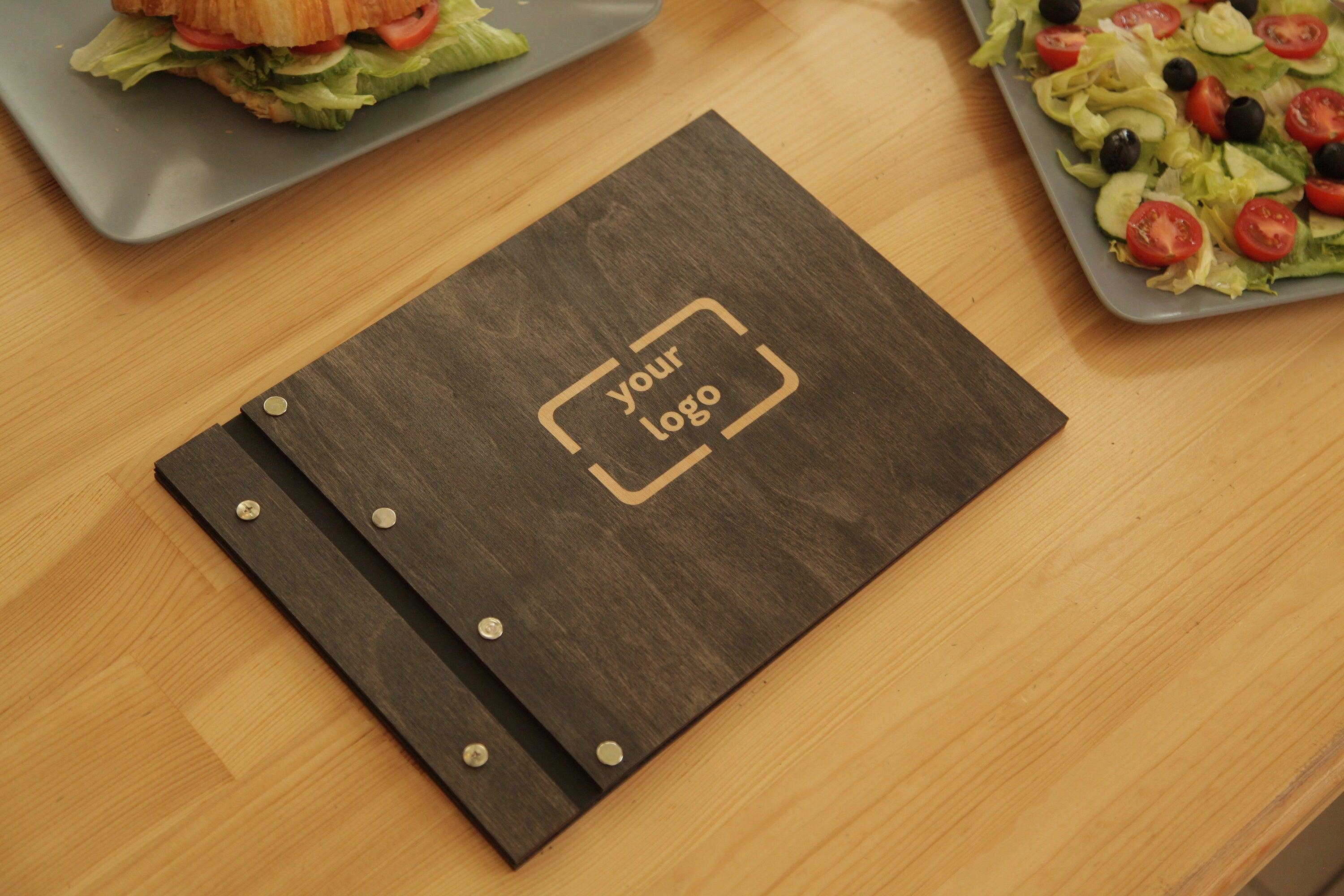
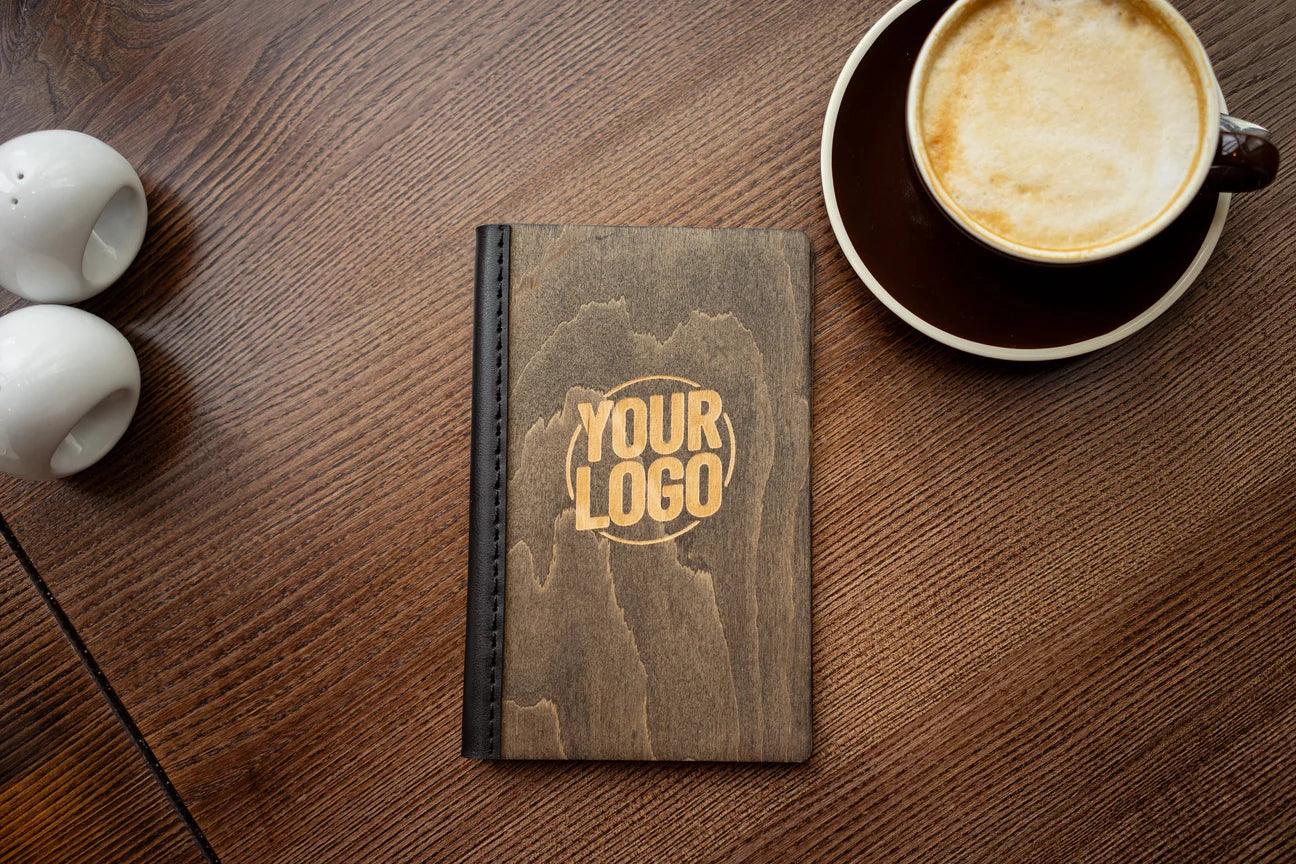
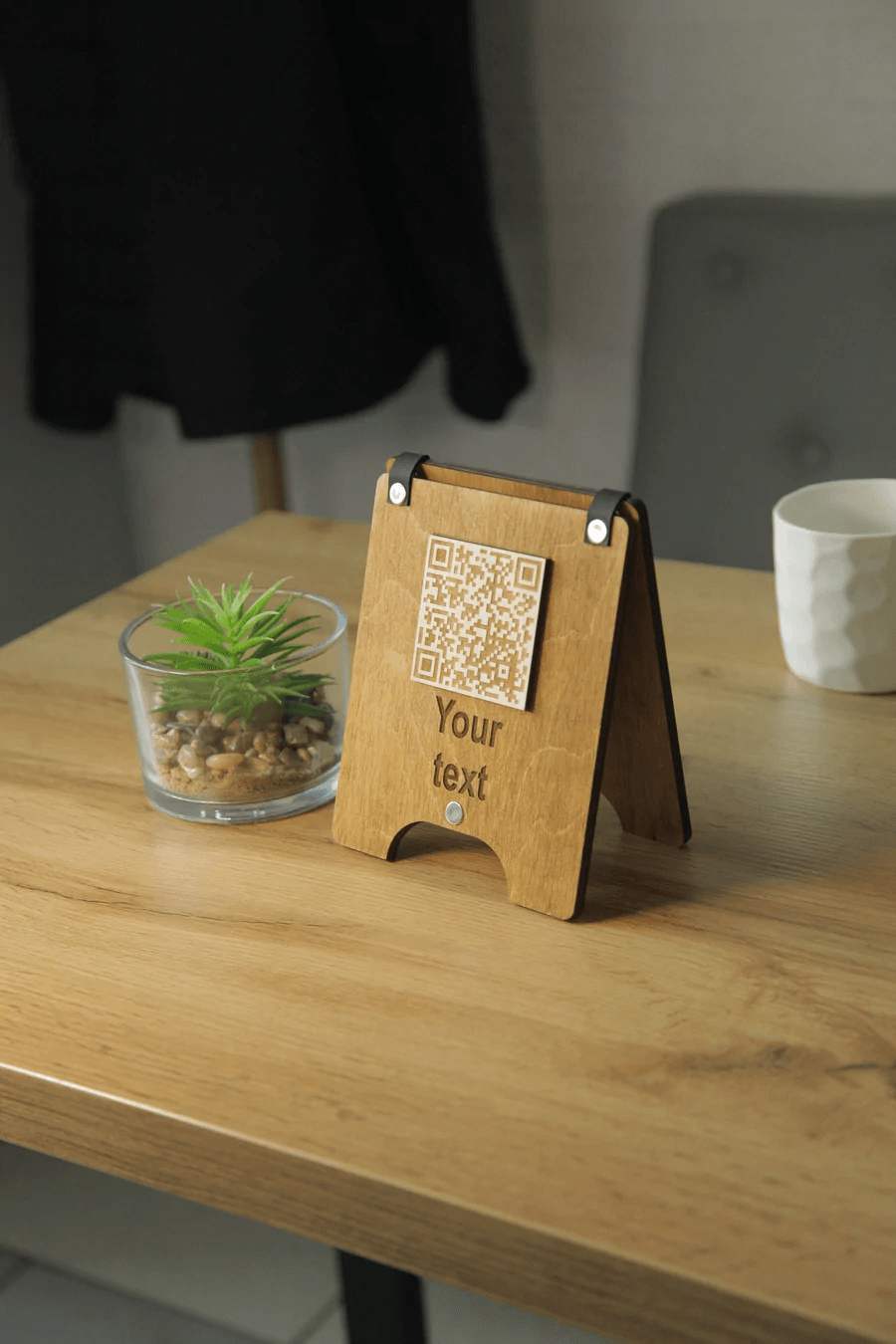
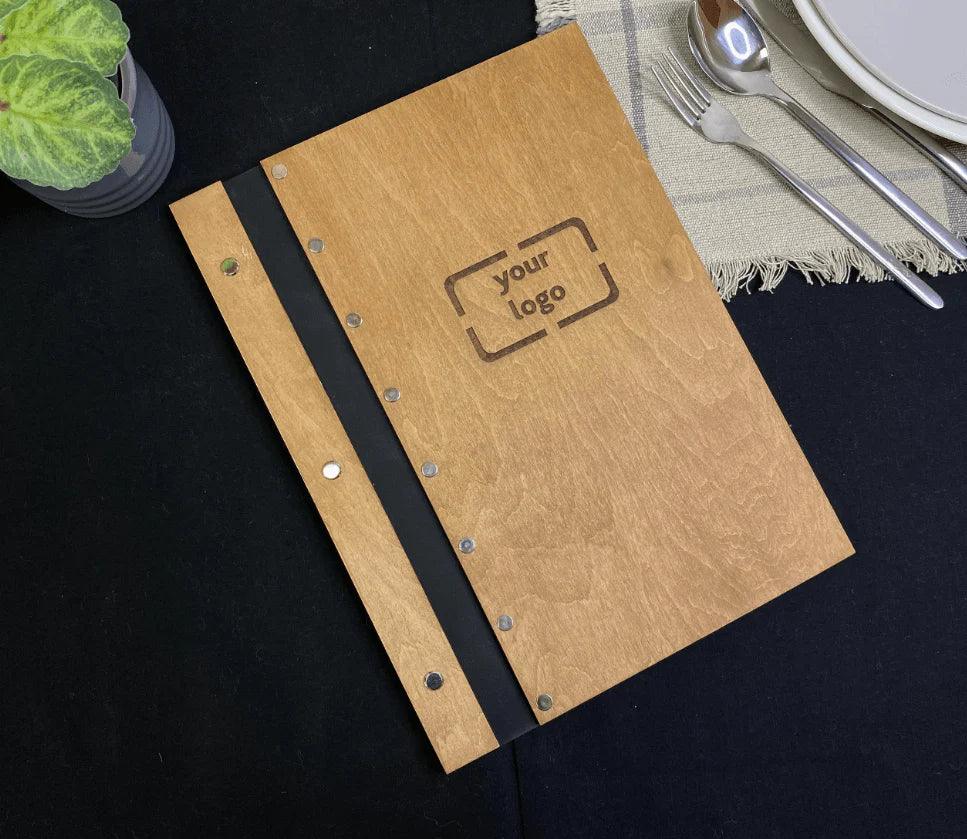
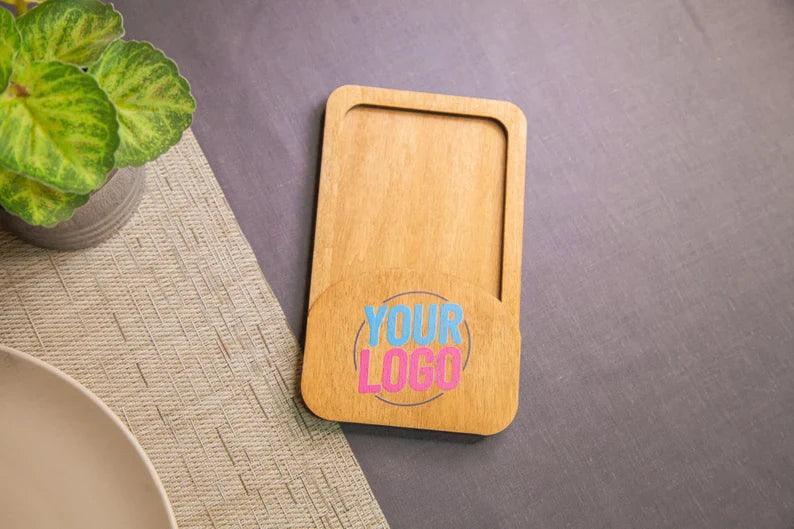
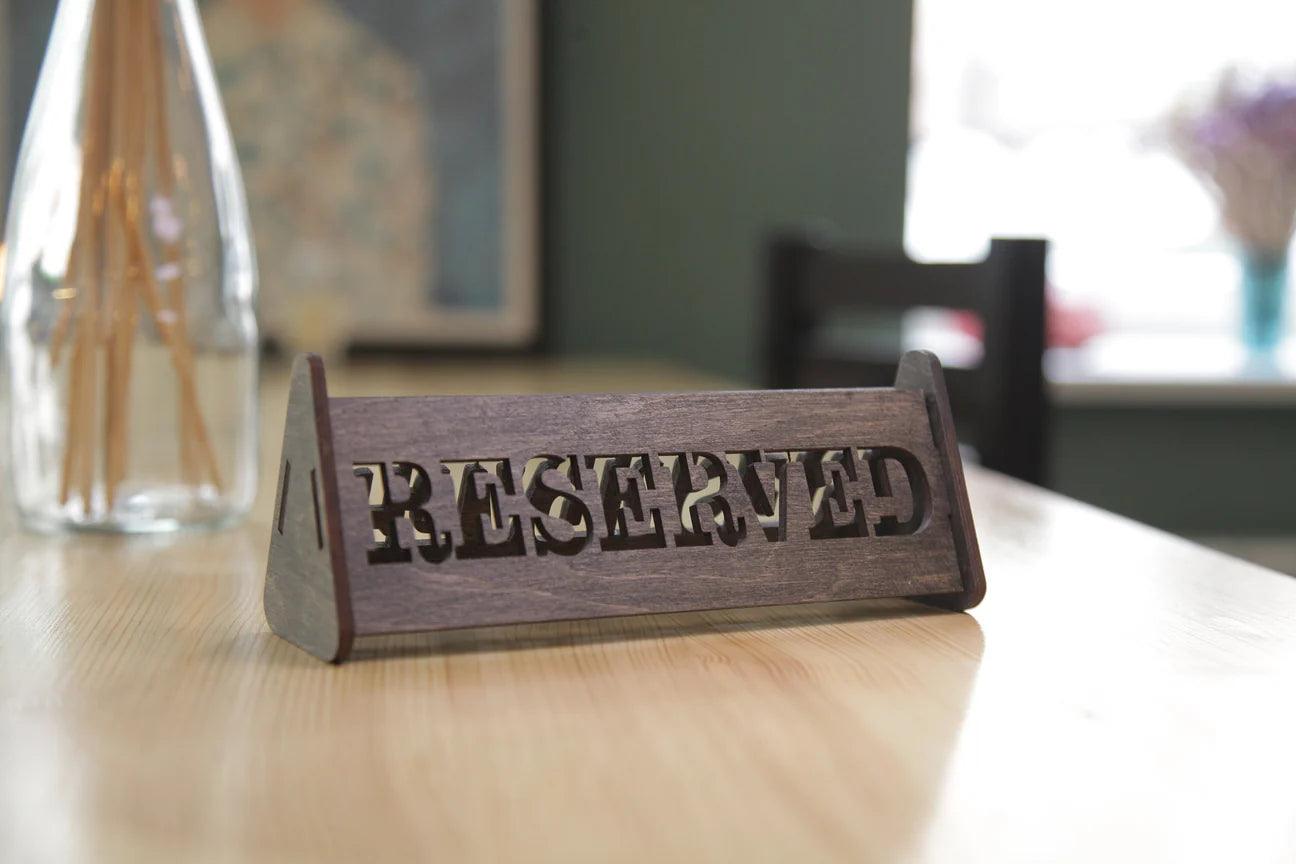
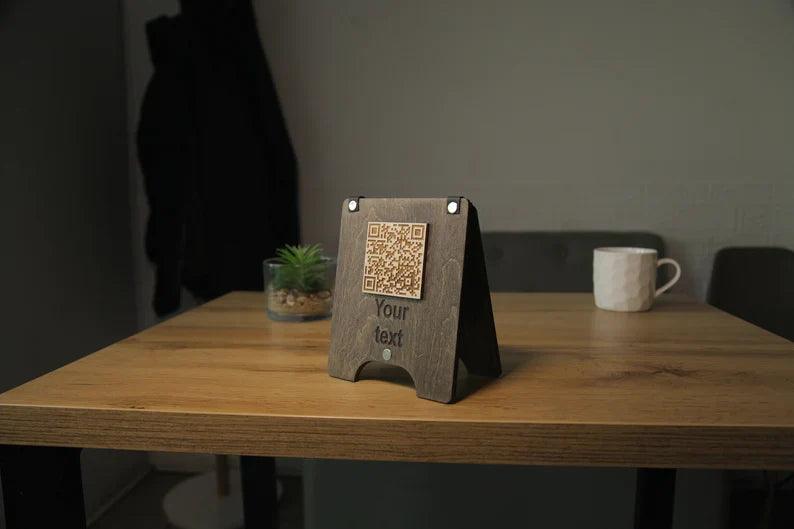
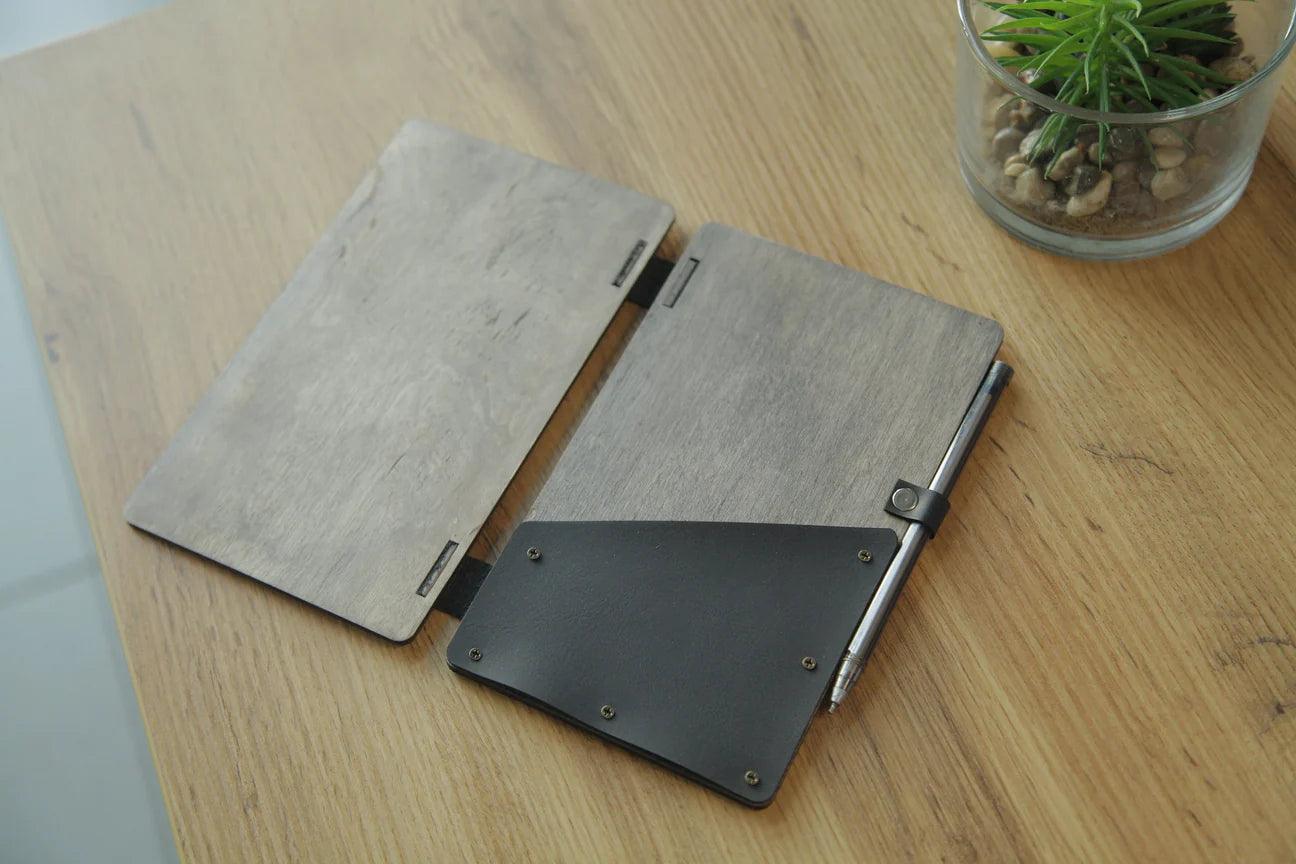
And to give your coffee shop a special touch your guests will feel as soon as they sit down, explore KyivWorkshop’s handcrafted accessories. We create personalised products, from wooden menu covers to QR codes, that add style to your coffee shop.
Top 10 Coffee Shop Design Ideas for Small Spaces
A well-crafted coffee shop ambiance turns a quick coffee break into a memorable experience. With clever cafe layout ideas, you can make every detail count. Your customers won't just grab a coffee - they'll step into a space to chill, relax, and return again.
1. Artistic Vibes

An art-inspired coffee shop gives a small space a lively, creative identity that attracts visually driven customers. Using rotating local artworks, bold accent walls, and curated color palettes allows the café to feel dynamic without requiring structural changes. This approach also enhances the customer experience by offering visual stimulation and encouraging longer stays, which can increase overall sales.
To make the most of limited square footage, furniture with clean lines and multifunctional surfaces works best. Wall-mounted shelves for art books and slim café tables keep circulation open while still expressing personality. Good spotlighting and gallery-style track lights help emphasize featured pieces and make the space feel taller and more spacious.
2. Tropical Paradise

A tropical theme transforms a compact café into a bright, refreshing retreat. Light wood textures, botanical wallpaper, and warm earthy tones create a holiday-like vibe, helping customers mentally escape the city. Small indoor palms, ferns, or banana-leaf plants add visual softness without taking up much room.
In smaller layouts, using vertical plant walls or hanging planters maximizes greenery without blocking pathways.
Rattan chairs, bamboo pendants, and coconut-shell décor keep the aesthetic cohesive while maintaining a lightweight look. Strategic use of natural light and warm-toned LEDs boosts the calming atmosphere and makes tight spaces feel open.
3. Rustic Coffee Shop

Rustic design brings warmth and familiarity, making even a tiny café feel welcoming. Natural woods, exposed grains, and handcrafted décor elements help soften the environment and appeal to customers who enjoy cozy, homelike spaces. Neutral palettes—beige, brown, cream, warm white—create comfort without overwhelming the eye.
In small areas, rustic elements should be used thoughtfully to avoid clutter. Narrow wooden counters, floating shelves, and compact farmhouse-style stools preserve the atmosphere without consuming too much floor space. Reclaimed wood panels or brick-effect tiles can provide texture while keeping the layout functional and easy to maintain.
4. Film/TV Show Fans

A film- or TV-themed café can attract a passionate niche audience and create strong repeat-customer loyalty. Wall art, posters, and subtle props connected to iconic scenes offer instant recognition without overwhelming the room. Small themed zones, like a photo corner inspired by a famous show, increase shareability on social media.
Because small spaces can feel cluttered quickly, it’s best to focus on a limited number of well-chosen references. A consistent color scheme based on the show or film keeps the design cohesive. Furniture can match the theme—retro diners for 80s shows, muted palettes for sci-fi—but should remain compact and functional.
5. Vintage Classics

Vintage cafés use older aesthetics—mid-century modern, 70s warm tones, or 90s retro—to create a sense of nostalgia. Classic signage, patterned tiles, and antique accents add character while keeping the space visually interesting. Soft ambient lighting enhances the vintage atmosphere without overpowering a small room.
To maintain functionality, incorporate vintage décor as accents rather than large furniture pieces. Small retro chairs, café tables with slim legs, and compact booths preserve seating capacity. Curating a few standout items—like an old radio, a typewriter, or vintage posters—keeps the theme clear while avoiding clutter.
6. Industrial Chic Style

Industrial design works particularly well in small spaces because it favors clean lines and minimal decoration. Exposed brick, steel fixtures, and concrete finishes create a modern, urban feel. Neutral palettes—black, grey, white—help maintain visual simplicity and prevent overcrowding.
Space-saving layouts are essential in this style. Wall-mounted utility shelving, metal stools, and narrow high-top tables allow efficient use of limited floor area. Good lighting—such as Edison bulbs or metal pendant lamps—adds warmth and contrast, balancing the raw industrial look with customer comfort.
7. Fashion Icon

A fashion-influenced café appeals to style-conscious guests and creates a polished, Instagram-friendly atmosphere. Soft neutrals, metallic accents, and curated décor inspired by boutique interiors enhance the sense of luxury. Visual storytelling through framed sketches or runway photography keeps the design cohesive.
To keep the layout functional, opt for sleek furniture with fine silhouettes instead of bulky items. Built-in seating, mirrored surfaces, and glossy finishes help reflect light and make the space feel larger. Accent lighting and minimalistic displays prevent the café from feeling crowded while maintaining its stylish identity.
8. Boho Chic Cafes

Boho design blends comfort, artistic expression, and natural textures, making it ideal for relaxed small cafés. Warm tones, handmade ceramics, woven textiles, and eclectic mismatched décor contribute to a soft, inviting atmosphere. Plants, cushions, and layered rugs add warmth without requiring major renovations.
In compact spaces, it’s important to choose lighter elements to maintain flow. Wicker chairs, slender wooden stools, and wall hangings add character without blocking movement. Using neutral walls with colorful accents avoids visual overload while still preserving boho charm.
9. Indoor Garden Cafe

Indoor-garden cafés capitalize on biophilic design, which improves customer mood and perceived air quality. Plants also absorb sound, making small, echo-prone rooms feel calmer. Soft greens and natural materials like jute, clay, and stone support the garden theme.
To maximize space, vertical or corner plant arrangements work better than large floor planters. Lightweight furniture—such as cane, wicker, or metal with organic cushions—keeps the room airy. Including natural light or warm grow lights ensures plants remain healthy and enhances the overall green ambiance.
10. Books and Games

A café dedicated to reading or gaming creates a community-oriented environment that encourages longer visits. Small bookshelves, board game racks, and quiet seating nooks turn even a compact space into a cozy retreat. This theme increases dwell time and can lead to higher average order value.
To prevent clutter, use mounted shelves and under-counter storage to keep materials organized. Slim tables, comfortable chairs, and good task lighting make the space functional for reading or playing. Sound-absorbing materials—rugs, curtains, cushions—help maintain a pleasant, calm ambiance, even in small rooms.
Best Small Coffee Shop Layout Options

Designing a compact coffee shop requires strategic planning to balance customer comfort, smooth circulation, and efficient staff workflow. The right layout can increase seating capacity, improve order speed, and create a visually open atmosphere even in tight spaces. Below are the most effective layout options widely used in small coffee shops, each suited for different business goals and spatial constraints.
Single-Line Layout (Straight Bar Layout)
This layout places the counter, espresso machine, pastry display, and POS along one continuous line. It is ideal for narrow spaces where customers move in one direction—from ordering to pickup—without crossing paths. The simplicity of the line makes operations efficient and reduces equipment clutter. Seating can be placed against windows or walls to keep the walkway clear.
L-Shaped Layout
Using two connected sides of the room, the L-shape gives more counter surface for equipment while freeing up the third side for seating. It supports better zoning: one side for ordering, the other for drink preparation. This layout works especially well when the entrance sits at a corner, guiding natural customer flow. It also creates a cozy seating pocket away from the counter.
U-Shaped Bar Layout
A U-shaped counter wraps around the barista area, maximizing efficiency for one or two staff members. This layout keeps all tools—espresso machine, grinder, sink—within arm’s reach, improving output during peak hours. It’s ideal for shops focused on takeaway or high bar interaction. Seating can be placed around the exterior of the U-shape to foster a social, communal atmosphere.
Galley or Corridor Layout
Perfect for very narrow or long rectangular spaces, this setup positions equipment on one wall and customer movement on the opposite side. It avoids crowding behind the counter and maintains a steady workflow even in tight rooms. Wall-mounted shelves and narrow standing bars help maximize vertical space. This design is common in urban grab-and-go cafés.
Corner Counter Layout
This option uses one corner of the shop as the service hub. It creates a natural division between the service area and seating zone. Corner counters also allow diagonal movement, making the space feel more open. They are one of the easiest ways to introduce a “focal point” in a small room.
Island Counter Layout
When space permits, placing a small island counter in the center can improve barista workflow and reduce bottlenecks at the entrance. Customers can order on one side and pick up on the other, improving flow. This layout works well in square rooms where walls can be dedicated to seating. It also makes the café feel modern and interactive.
Wall-Bar + Window Seating Layout
Placing the bar along the wall and adding slim window seating is one of the most space-efficient arrangements. It increases the number of seats without blocking circulation. Window seating encourages solo visitors and remote workers, often contributing to longer dwell times. This is ideal for small shops aiming for a relaxed, minimalistic feel.
Mixed Layout (Bar + Table Zones)
This hybrid approach combines a compact counter zone with small tables or banquette seating. It provides flexibility for both quick orders and longer stays, appealing to a wider customer base. Proper zoning—using rugs, low dividers, or plants—helps organize the space visually. This works well for multipurpose cafés that offer food or desserts alongside coffee.
How to Design a Coffee Shop

Designing a coffee shop involves far more than decorating a room with tables and an espresso machine. A well-planned café layout improves customer flow, increases seating capacity, strengthens your brand identity, and directly impacts profitability. Every choice—from lighting to furniture—shapes how customers feel in the space and how efficiently staff can work. Let’s explore the essential components of designing a high-performing, visually appealing coffee shop.
1. Start With a Clear Concept
A strong concept directs every design decision, from furniture style to menu presentation. Your concept defines the ambiance—minimalist, rustic, artistic, boho, industrial, high-end, or niche-themed—so customers instantly recognize your café’s personality. A clear concept also makes branding consistent across signage, packaging, and social media.
Before choosing décor, write out your brand story and the emotions you want customers to feel. Use mood boards, color palettes, and sample materials to visualize how the concept will look in real space. This ensures cohesion and prevents randomly mixing styles that may confuse customers.
2. Plan an Efficient Layout
A good layout ensures customers move smoothly from the entrance to the counter and seating areas. The most successful cafés design a clear path with enough space to avoid crowding at peak hours. Logical flow reduces wait times and makes the space feel larger.
Your workstation, espresso bar, pastry display, and sinks should follow a “minimum-step workflow,” meaning baristas can prepare drinks quickly without unnecessary movement. Efficient back-end layout directly affects service speed and customer satisfaction.
3. Prioritize Comfortable, Space-Saving Furniture
Furniture must fit the space without blocking aisles, doors, or the ordering area. Compact two-person tables, narrow counters, and lightweight chairs are ideal for smaller cafés. Choosing pieces with legs (instead of bulky bases) keeps the room visually open.
Durability is just as important—commercial-grade materials withstand daily use better than home furniture. Look for options that are easy to clean, stackable, or movable, so the layout can adapt for rush hours or small events.
4. Choose a Cohesive Color Palette
Color psychology significantly affects how customers experience a coffee shop. Warm neutrals promote relaxation, while cool tones create a modern feel. Dark palettes make a café feel intimate; lighter palettes visually expand small rooms.
Stick to one primary color, one accent color, and one neutral base to avoid visual clutter. This cohesive approach helps all elements—tables, walls, signage, menu boards—feel unified even with limited square footage.
5. Invest in Quality Lighting
Lighting shapes the mood more than any other design element. Warm lighting makes spaces cozy and encourages customers to stay longer, while bright white light is better for work-oriented cafés. A layered lighting approach—ambient, task, and accent—creates depth.
Place pendant lights over counters, soft lighting near tables, and spotlights to highlight key décor elements. Natural light should be maximized with open windows or light curtains, reducing electricity costs and making the space feel open.
6. Create an Instagram-Friendly Focal Point
A single standout feature makes your café memorable and increases organic online exposure. This could be a mural, a neon sign, a unique shelf display, or an eye-catching seating corner. Customers often take photos in aesthetically appealing cafés, giving you free marketing.
The focal point should match your concept and remain visible from the entrance. Make sure it looks good in both natural and artificial light to encourage social media sharing throughout the day.
7. Optimize the Counter and Barista Station
The counter is the operational heart of the café. It should be designed for speed, hygiene, and visibility. An ergonomic layout reduces preparation time and improves consistency during busy hours.
Integrate built-in trash bins, refrigerated sections, storage drawers, and display cases to keep the area uncluttered. A clean, visually appealing counter also improves customer trust and encourages impulse purchases like pastries or snacks.
8. Use Vertical Space for Storage and Decoration
Many coffee shops—especially small ones—lack floor space, so using walls effectively is essential. Floating shelves, magnetic rails, wall-mounted menus, and high cabinets increase storage without crowding customers.
Vertical décor such as framed art, plants, or wall tiles helps create dimension. It visually lifts the room and prevents the design from feeling too bottom-heavy, which is a common mistake in small café layouts.
9. Include Acoustic and Sound-Softening Elements
A noisy café can feel chaotic, especially when space is limited. Materials like fabric cushions, rugs, curtains, acoustic panels, or wooden slats help reduce echo and create a more pleasant environment.
Even small design decisions—like choosing chairs that don’t screech on the floor—improve customer comfort. Sound control supports longer stays and helps work-friendly cafés maintain focus-friendly environments.
10. Make the Seating Experience Personal
Successful cafés create micro-environments: a quiet corner for readers, window seats for solo guests, and communal tables for small groups. This makes the space multifunctional without needing extra square footage.
Use variations in lighting, chair style, or small décor accents to give each area its own personality. Customers appreciate feeling like they have “their spot,” which increases loyalty and return frequency.
11. Add Thoughtful Branding Elements
Everything the customer touches or sees is part of the brand—not just the logo. Menu design, take-away cups, uniforms, and even the scent of the café all influence brand identity. Consistency builds recognition.
Subtle branding (like laser-etched trays or engraved wooden menu boards) enhances professionalism. Strong branding also increases customer trust and competitive advantage in a crowded market.
12. Ensure Easy Maintenance
A beautiful café should also be practical. Select materials that resist stains, scratches, and moisture—especially for countertops, floors, and tabletops. Easy-clean surfaces reduce labor time and maintain a polished appearance.
Regular maintenance plans help equipment last longer and prevent costly downtime. Prioritizing durability doesn’t limit design—it ensures your café always looks fresh and inviting.
How to Maximize Space and Functionality in Your Small Coffee Shop Design

Creating an efficient small coffee shop requires a thoughtful balance between aesthetics, workflow, and customer comfort. Limited square footage means every corner must serve a purpose, from seating layouts to storage to equipment placement. The key is to design a space that feels open, welcoming, and highly functional—even when the footprint is modest.
Start With a Smart Floor Plan
A compact café benefits from a clearly defined layout that separates customer flow, seating, and barista work zones. Mapping out movement paths ensures customers don’t block the counter or each other, reducing bottlenecks during peak hours while keeping the space visually calm.
Use Vertical Space Efficiently
Walls are valuable real estate in a small shop. Wall-mounted shelving, pegboards, menu boards, or vertical storage units keep essential items accessible without consuming floor space, giving the interior an organized, airy feel.
Choose Compact, Multi-Purpose Furniture
Different furniture styles suit different types of coffee shops. A rustic café might use wooden tables, while a modern spot could feature sleek metal stools. Lightweight tables, stackable chairs, and benches with built-in storage maximize seating without overcrowding the room. Multipurpose furniture—such as counters that double as seating or display areas—helps every piece serve more than one function.
Create an Optimized Barista Station
A tightly arranged bar area with well-planned equipment placement boosts speed and reduces staff fatigue. Keeping grinders, machines, fridges, and tools within arm’s reach creates an efficient workflow that improves customer service.
Add a Wall-Mounted or Digital Menu
A digital or wall-mounted menu saves counter space and keeps the design clean. It also improves visibility for customers, cutting wait times and eliminating the clutter of printed menus or tabletop displays.
Use Light Colors and Reflective Surfaces
Neutral palettes, glossy tiles, mirrors, and reflective finishes visually expand the room. These materials bounce light around the interior, making even very small cafés feel brighter, wider, and more inviting.
Integrate Slim Lighting Fixtures
Compact pendant lights, track lighting, or wall sconces add ambiance without overwhelming the ceiling height. Proper lighting enhances both the décor and functionality, ensuring seating areas and work zones are well illuminated.
Install Space-Saving Counters and Bar Seating
Narrow counters along windows or walls create additional seating without blocking walkways. This approach increases customer capacity while maintaining easy movement through the café.
Keep décor Minimal but Distinctive
A small space benefits from a clean visual identity—one strong concept, a cohesive color palette, and a few memorable design accents. Avoiding excessive decoration prevents visual clutter and allows the café’s theme to shine.
Use Hidden or Under-Counter Storage
Built-in drawers, under-bench compartments, and concealed storage behind the counter keep supplies organized and out of sight. This minimizes visible clutter and keeps the café looking polished, even during busy hours.
Make the Entrance Feel Open and Welcoming
A clean, unobstructed entrance immediately creates a sense of spaciousness. Clear signage, glass doors, or outdoor seating (even a tiny two-chair setup) can visually extend the café and improve first impressions.
How to Create the Perfect Coffee Shop Interior Design Aesthetic

The coffee shop aesthetic is a powerful tool for defining the customer experience and setting your brand apart. Every design element creates a mood that encourages visitors to stay longer. To achieve such an effect, follow a cohesive approach to colors, lighting, furniture, and other elements. This harmony between design elements ensures that every customer interaction will be meaningful and pleasant.
Color Schemes
Color has a transformative effect on a café's atmosphere, especially in limited spaces. Warm tones, like rich brown or soft yellow, create an ambiance ideal for relaxed gatherings. Alternatively, light and neutral shades may give your small coffee shop a spacious and open feel. These colors can maximize the effect of natural light to make the area appear larger and more spacious.
Choosing a color scheme isn't only about aesthetics. The right choice can set the desired mood and even contribute to more comfort. Calming hues encourage longer stays, while vibrant accents energize the space. A balanced palette enhances the way customers feel at your café, making it more likely they'll return for more.
Lighting
Lighting defines the look and feel of your café, especially in compact spaces that need a bit of visual depth. Natural light creates an open atmosphere, while strategically placed warm lights add intimacy. According to the latest small cafe design ideas, soft lighting might be a decent option to avoid overwhelming the space.
Beyond functionality, lighting can highlight your café's personality, drawing attention to key areas like artwork, seating, or the counter. The right lighting choices make your café memorable and visually cohesive, setting your establishment apart from other types of coffee shops in the area.
Furniture
Furniture can make a bold aesthetic statement. Compact yet comfortable seating is essential in small spaces, with multi-functional pieces like slim tables and hidden storage. Well-chosen furniture complements the small coffee shop design. It makes the space more open and accessible, encouraging customers to relax and enjoy their stay.
Comfortable and durable furniture improves customer experience while supporting your design theme. Thoughtful choices add character and elevate the café's look, making it a place where customers feel at home. By aligning furniture style with your overall aesthetic, you create a cohesive environment that makes every visit memorable.
Menu Displays
An elegant wall menu does more than list items; it adds style and function. As one of the first things customers see, it helps set a welcoming and organized tone. An appealing display can make the menu a focal point that draws attention.
Coffee shop menu boards work perfectly in small spaces, saving valuable space. Mounted on the wall, they're visible from multiple angles, making it easy for customers to see your offerings. This setup also improves traffic flow for a better overall experience.
A menu letter board offers flexibility for updating daily specials or seasonal items. Its vintage charm brings both function and personality to your space. These displays turn your menu into a memorable design feature.
Bringing Your Creativity to Life With Custom Design Elements For Coffee Shops From KyivWorkshop

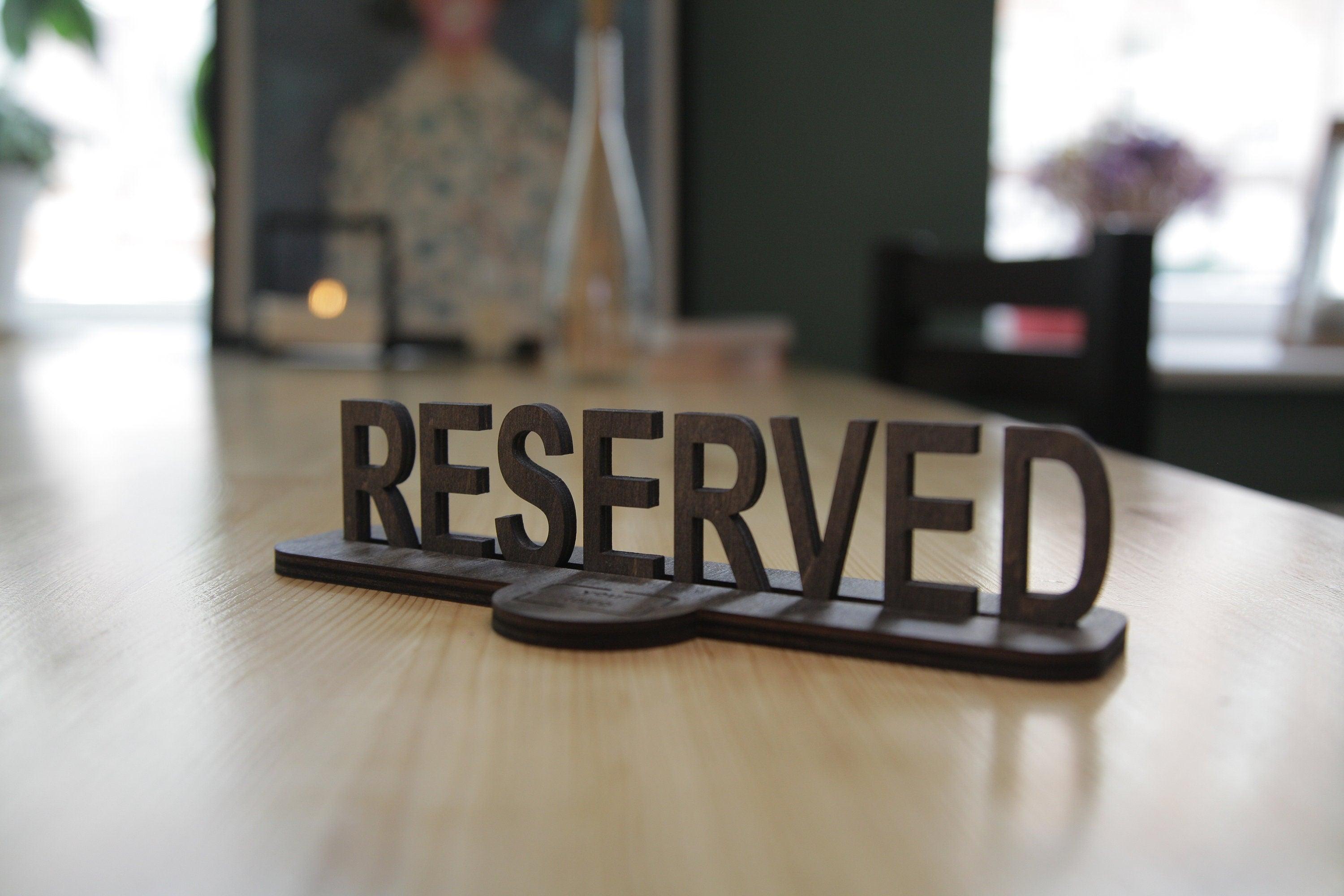
If you want your café, restaurant, or small business to stand out, every detail matters — especially the ones your guests interact with every day. KyivWorkshop helps you turn those details into memorable experiences with beautifully crafted menu covers, signage, QR code stands and other custom-made design elements.
Each piece is created with precision, durability, and style, helping your space feel cohesive, professional, and uniquely yours.
Whether you're redesigning your interior or refining your brand’s identity, KyivWorkshop offers the craftsmanship and customization you need to elevate your concept effortlessly. Explore our collection of products and transform your space into something truly unforgettable.
Frequently Asked Questions
How to optimize the seating and layout of a small coffee shop?
A balanced coffee shop layout plan can help you maximize the available space. Communal tables are ideal for groups and social gatherings, communal tables efficiently use space. They encourage interaction and add a lively energy to the café. Cozy corners (small and intimate spots offer a private retreat for customers seeking a quiet environment) are perfect for solo visitors, readers, or remote workers. Window-side seating (bright and scenic, window seating) brings in natural light and offers views of the outside world, this option works well in a small coffee shop design, making the space feel more exclusive.
What are some of the best coffee shop ideas for small spaces?
One of the best solutions for compact cafés is to use multi functional furniture that adapts to changing customer needs. A well-planned small coffee shop design allows even tight rooms to feel open and comfortable. Featuring local artists' work adds personality without requiring extra floor space. Designing with every square foot in mind helps maximize seating and workflow.
How to design a coffee shop interior?
A strong concept begins with understanding modern coffee shop design principles that balance form and function. Prioritizing lighting and layout ensures a welcoming atmosphere for guests. Incorporating decor that fits the brand story helps create visual cohesion. Adding pieces of antique furniture can introduce charm without overwhelming the layout.
What is the best small coffee shop layout?
Efficient layouts prioritize quick service so customers can order, sit, and leave smoothly. Choosing a plan that highlights the cafe identity helps the space feel intentional and memorable. Large openings or large windows visually expand the interior and bring in daylight. A smart workflow is a true game changer for maximizing limited areas.
How to design a coffee shop?
It starts with a clear vision for the shop design so all elements support customer comfort and staff efficiency. A thoughtful approach enhances how people experience each moment inside the space. Using textures and warm materials creates a unique experience customers remember. Good material planning helps naturally save space in tight interiors.
What are the top small coffee shop design concepts?
Successful concepts typically showcase specialty drinks like great coffee to draw repeat customers. Clear pathways and small tables keep people moving smoothly through the coffee shop interior design. Attention to detail makes the whole space feel interior-focused and cohesive. Strong branding ensures visitors don’t easily forget the experience.
What are the best small coffee shop layout ideas?
Many designers look for ways to make navigation intuitive and improve operational flow using smart ideas. Small zones for work, socializing, or takeaway orders enhance the overall atmosphere. Rearranging furniture and décor helps each search for an efficient arrangement. Soft lighting and warm palettes define the welcoming interior mood.
What is the best small cafe design?
A strong cafe layout supports staff movements while keeping customer areas comfortable. Good circulation helps maintain a pleasant moment even during busy hours. Durable materials ensure the café holds up to daily use and coffee shop traffic. Seating variety gives guests a flexible, cozy experience.
How to plan mini coffee shop design?
Planning begins by defining the main service goals of the coffee shop and aligning the layout to support them. Compact counters and shelving support efficient workflows in tight shop design settings. Thoughtful choices turn small cafés into an inviting atmosphere customers enjoy returning to. Every detail should contribute to an easy-to-navigate interior in limited space.
What are the most popular small coffee shop design concepts?
Popular themes often include minimalist setups that highlight quality coffee above all else. Many owners focus on compact seating and clean counters to support a modern shop aesthetic. Bright palettes and simple lines help reinforce the friendly interior look customers enjoy. Creative wall accents prove that even tiny cafés can express strong creativity.