

Irresistible seasonal restaurant menu ideas (2026)
Seasonal restaurant menus boost guest engagement by highlighting peak-flavor ingredients like spring asparagus, summer tomatoes, fall squash, and winter citrus. Key strategies include collaborating with local farms, offering comforting braised dishes in winter, and providing fresh, herb-forward dishes in spring to create a dynamic, sustainable dining experience.
Here are seasonal menu ideas you might consider:
Spring (fresh & vibrant)
-
Appetizers: Asparagus spears with hollandaise sauce, artichoke hearts, or creamy spring vegetable risotto.
-
Entrees: Lemon and herb-crusted salmon, or porchetta mini rolls with fennel slaw.
-
Desserts: Strawberry rhubarb crumble or pastel-colored butter cookies.
-
Ingredients: Peas, mint, strawberries, radishes, arugula, and coriander.
Summer (light & bright)
-
Appetizers: Watermelon and feta salad, or cucumber gazpacho.
-
Entrees: Grilled summer squash with ricotta pasta, tomato-basil pasta, or Caribbean chicken tacos with mango salsa.
-
Desserts: Fruit sorbet (cherry or lemon) or berry trifle.
-
Ingredients: Corn, zucchini, bell peppers, berries, tomatoes, and basil.
Fall (cozy & earthy)
-
Appetizers: Roasted butternut squash soup, or mushroom crostini.
-
Entrees: Roasted chicken with root vegetables, cider-glazed pork tenderloin, or pumpkin ravioli.
-
Desserts: Apple crisp, pear crumble, or pumpkin spiced treats.
-
Ingredients: Brussels sprouts, cranberries, sage, rosemary, and sweet potatoes.
Winter (hearty & rich)
-
Appetizers: French onion soup, German potato soup, or kale salad with candied pecans.
-
Entrees: Irish beef stew (with Guinness), braised beef short ribs, or citrus-glazed pork tenderloin.
-
Desserts: Cranberry-orange bread pudding or spiced pear tart.
-
Ingredients: Root vegetables (carrots, parsnips, turnips), citrus fruits, and hearty greens.
At KyivWorkshop, we have spent years crafting unique menu covers designed to help businesses grow their revenue. In this guide, we’ll explore how to build a seasonal restaurant menu.
What is a seasonal menu?

A seasonal menu is a restaurant menu that changes throughout the year to reflect ingredients that are at their peak in freshness, flavor, and availability. It focuses on using locally sourced produce and products that are naturally harvested during a specific season, which helps improve taste, control food costs, and keep the menu dynamic.
By rotating dishes based on what is in season, restaurants can offer guests new experiences while maintaining high quality and sustainability. This approach also supports local suppliers and allows chefs to create more relevant, timely dishes that align with customer expectations.
Best seasonal restaurant menu ideas
Creating a seasonal menu is not just about swapping ingredients, it is about designing an experience that evolves throughout the year. Below are some of the best seasonal restaurant menu ideas, organized by season to help you plan dishes that feel timely, relevant, and profitable.
Restaurant menu ideas for spring

Spring menus should feel light, fresh, and full of color after the heavier winter months. This is the season to highlight tender vegetables, delicate herbs, and bright flavors that signal renewal and energy.
Appetizers
-
Asparagus carpaccio with shaved parmesan and lemon zest
-
Chilled green pea soup with mint oil and yogurt foam
-
Radish and herb butter boards served with warm sourdough
Salads & light starters
-
Strawberry, arugula, and goat cheese salad with balsamic glaze
-
Baby greens with edible flowers, citrus vinaigrette, and toasted seeds
-
Shaved fennel and apple salad with dill and light cream dressing
Main courses
-
Lemon and herb-crusted salmon with spring vegetables
-
Spring vegetable tart with ricotta, peas, and asparagus
-
Chicken roulade stuffed with spinach and herbs, served with light jus
Desserts
-
Strawberry rhubarb crumble with vanilla cream
-
Lemon lavender panna cotta
-
Matcha and white chocolate mousse with fresh berries
Beverages & seasonal drinks
-
Fresh lemonade with mint or basil
-
Floral cocktails with elderflower or rose
-
Cold brew teas with citrus and herbs
Restaurant menu ideas for summer

Summer menus should feel refreshing, vibrant, and easy to enjoy in warm weather. This is the season to highlight juicy produce, grilled flavors, and simple dishes that don’t feel heavy. The focus is on clean flavors, freshness, and dishes that pair well with outdoor dining.
Appetizers
-
Watermelon and feta salad with mint
-
Chilled tomato gazpacho
-
Grilled corn with butter, lime, and chili
Salads & light starters
-
Classic caprese salad with tomato, mozzarella, and basil
-
Mixed greens with strawberries, pecans, and vinaigrette
-
Avocado and cucumber salad with lemon dressing
Main courses
-
Grilled chicken with corn and tomato salad
-
Shrimp tacos with cabbage slaw and lime crema
-
BBQ ribs or pulled pork with coleslaw
Desserts
-
Fresh berry shortcake
-
Lemon bars
-
Peach cobbler with vanilla ice cream
Beverages & seasonal drinks
-
Iced tea (sweet or unsweetened)
-
Fresh lemonade
-
Fruit iced teas (peach, raspberry)
Restaurant menu ideas for fall

Fall menus should feel warm, cozy, and satisfying. This is the season to bring in roasted vegetables, comforting flavors, and familiar dishes with a seasonal twist. The goal is to create meals that feel hearty without being too heavy.
Appetizers
-
Butternut squash soup
-
Stuffed mushrooms with cheese and herbs
-
Baked brie with honey and nuts
Salads & light starters
-
Spinach salad with apples, walnuts, and vinaigrette
-
Roasted sweet potato salad with greens
-
Caesar salad with roasted chicken
Main courses
-
Roast chicken with potatoes and carrots
-
Pork chops with apple sauce
-
Creamy pasta with mushrooms and parmesan
Desserts
-
Apple pie or apple crisp
-
Pumpkin pie
-
Cinnamon bread pudding
Beverages & seasonal drinks
-
Apple cider (hot or cold)
-
Pumpkin spice latte
Restaurant menu ideas for winter

Winter menus should feel rich, filling, and comforting. This is the season for slow-cooked meals, warm dishes, and classic comfort food that guests naturally crave in colder weather. The focus is on warmth, depth of flavor, and satisfying portions.
Appetizers
-
French onion soup
-
Tomato soup with grilled cheese bites
-
Baked spinach and artichoke dip
Salads & light starters
-
Kale salad with cranberries and nuts
-
Winter citrus salad with oranges and greens
-
Simple house salad with creamy dressing
Main courses
-
Beef stew with vegetables
-
Roast turkey with mashed potatoes and gravy
-
Baked mac and cheese
Desserts
-
Chocolate cake or brownie with ice cream
-
Bread pudding with caramel sauce
-
Pecan pie
Beverages & seasonal drinks
-
Hot chocolate
-
Coffee drinks (latte, cappuccino)
-
Spiced tea with cinnamon
How to create a menu that highlights seasonal ingredients

Start with ingredients, not dishes. Identify what is in peak season in your region, then build your menu around those items so they become the natural focus rather than an afterthought.
Source locally and plan ahead
-
Partner with local farms or suppliers to access fresh, seasonal produce
-
Plan menus 1–2 months in advance based on expected availability
-
Use limited-time ingredients to create urgency and repeat visits
Keep dishes simple and ingredient-focused
-
Avoid overcomplicating recipes so seasonal ingredients can stand out
-
Use cooking methods that enhance natural flavors (grilling, roasting, light sautéing)
-
Let one or two seasonal ingredients lead each dish
Design flexible menu sections
-
Create rotating sections like “seasonal specials” or “chef’s picks”
-
Keep a stable core menu and update 20–30% seasonally
-
Use modular recipes where sides or toppings can change with the season
Highlight seasonality on the menu
-
Clearly label seasonal dishes or local ingredients
-
Add short descriptions like “locally sourced strawberries” or “fresh fall squash”
-
Use menu design elements (icons, boxes, or callouts) to draw attention
Balance cost and profitability
-
Use seasonal produce when it is most affordable and abundant
-
Pair higher-cost ingredients with lower-cost components to protect margins
-
Monitor food cost percentage and adjust pricing when needed
Train staff to communicate the value
-
Ensure servers can explain what is seasonal and why it matters
-
Encourage recommendations based on seasonal specials
-
Use storytelling (local farms, freshness, limited availability) to increase perceived value
7. Refresh presentation and menu design
-
Update visuals, colors, or layouts to reflect the season
-
Keep menus clean and easy to scan so seasonal items stand out
-
Consider upgrading menu covers or presentation to match seasonal changes and elevate perceived quality
Seasonal menu design

The visual structure of your menu should reflect the same freshness, warmth, or richness that guests expect from seasonal dishes. When design aligns with seasonality, it strengthens perception, increases appetite appeal, and helps guide guests toward high-margin items.
Match design to the season
This ensures your menu visually reinforces the mood and expectations of each time of year.
-
Spring: light colors, clean layouts, subtle floral or green accents
-
Summer: bright tones, airy spacing, vibrant imagery
-
Fall: warm colors like orange, brown, deep red, with cozy textures
-
Winter: darker tones, elegant contrasts, minimal but rich presentation
Use layout to highlight seasonal items
This helps direct guest attention to the dishes you want to promote most.
-
Place seasonal dishes in high-visibility areas (top right, center sections)
-
Create a dedicated “seasonal specials” block
-
Use boxes, icons, or subtle separators to draw attention without clutter
Keep menus clean and easy to scan
This improves readability and helps guests make faster decisions.
-
Limit overcrowding and avoid too many items per section
-
Use clear headings and consistent structure across all seasons
-
Highlight key dishes with short, descriptive text rather than long paragraphs
Adapt materials and format to the concept
This ensures your menu format fits your service style and operational needs.
-
Casual restaurants: single-page or laminated menus that are easy to update
-
Mid-range: bifold or trifold menus with seasonal inserts
-
Fine dining: premium materials that reflect quality and attention to detail
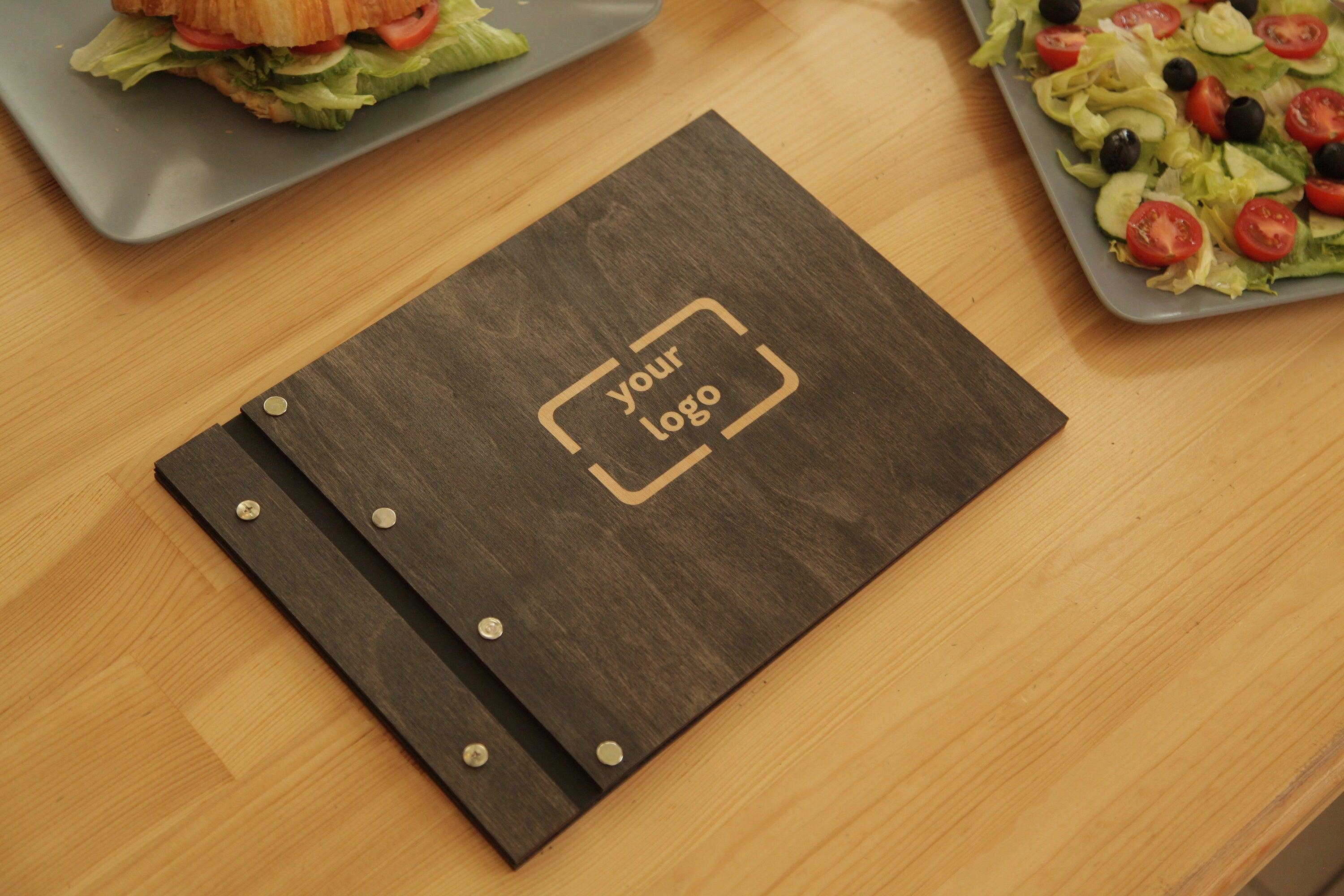
At KyivWorkshop, natural wood textures of our menu covers pair especially well with seasonal concepts, from fresh spring designs to warm, cozy fall and winter aesthetics.
Seasonal menu success tips that drive orders and repeat visits

A seasonal menu works best when it goes beyond ingredients and becomes part of your restaurant’s story. The way you communicate sourcing, highlight limited-time value, and incorporate trends can directly influence guest decisions. These small but strategic details help turn seasonal dishes into high-performing menu items.
Highlight local sourcing to build trust and value
Promoting local partnerships adds authenticity and increases perceived quality in the eyes of your guests. When you mention local farms, dairies, or producers directly on the menu, it creates a sense of transparency and care. Guests are more likely to trust and choose dishes that feel connected to real sources rather than generic supply chains.
Emphasize seasonal exclusivity to increase demand
Limited-time items naturally create urgency and encourage repeat visits. When guests know a dish is only available for a short period, they are more likely to order it immediately instead of postponing the decision. Clear messaging such as “seasonal special” or “available this month” makes the menu feel dynamic and time-sensitive.
Use data-backed messaging to influence behavior
Guests respond better when they understand why a dish is worth choosing. Highlighting that seasonal items are fresher, more flavorful, and widely preferred can subtly guide decisions without being pushy. Insights like diners ordering more frequently when seasonal dishes are available help reinforce the value of these menu changes.
Incorporate trending ingredients without overcomplicating the menu
Trending ingredients can attract attention, but they should be used carefully to maintain balance. Adding elements like hot honey or seasonal sauces to familiar dishes keeps the menu interesting without confusing guests. The key is to enhance recognizable items rather than completely reinvent the menu each season.
Keep the experience consistent across menu and presentation
Guests should feel the seasonal concept not only in the food but also in how it is presented. Consistent design, clear structure, and thoughtful descriptions help reinforce the overall experience from the moment they open the menu. When everything aligns, from ingredients to presentation, the menu feels more intentional and higher in quality.
Bring your seasonal menu vision to life with custom covers from KyivWorkshop

Your menu is more than a list of dishes, it is a key part of how guests experience your restaurant from the very first moment.
At KyivWorkshop, menu covers are crafted to combine durability with distinctive design. From natural wood to leather and fully customized options, each piece is made to match your restaurant’s style.
We invite you to explore our customizable menu covers and choose a solution that fits your brand.
FAQs
How to create a seasonal menu?
To create a seasonal menu, start by identifying what ingredients are naturally available during each period and build dishes around them. Work with local farmers to ensure access to high quality ingredients at their peak. Design a core structure that stays stable while allowing rotation of sides, sauces, or specials. This approach keeps your menu relevant, cost-efficient, and appealing to customers.
What is the most profitable menu item?
The most profitable menu item is usually one with a low food cost and high perceived value. Items like pasta made with arborio rice or simple dishes enhanced with parmesan cheese often deliver strong margins. These dishes are inexpensive to produce but can be priced higher due to their appeal. Profitability also depends on portion control and consistent preparation.
What are the three top best selling items in the restaurant?
Most restaurants see consistent demand for familiar and satisfying dishes. Burgers, pasta, and chicken-based meals tend to be top sellers across many concepts. These items are easy to customize and can incorporate seasonal elements without losing appeal. Their popularity comes from being recognizable, filling, and reliable for dinner choices.
How chefs create seasonal menu changes?
Chefs analyze ingredient availability and adjust recipes based on what is fresh and affordable. They test new dishes in small batches before adding them to the menu. Seasonal updates often involve modifying existing recipes rather than replacing everything. This keeps operations smooth while still offering something exciting.
How do I plan a seasonal brunch menu featuring local foods?
Start by focusing on lighter dishes that highlight fresh produce and simple preparation. Incorporate items like herb omelets with fresh basil or seasonal fruit plates. Use ingredients that are easy to source locally and can be prepared quickly during busy hours. A balanced brunch menu should include both savory and sweet options.
How can I plan a menu around seasonal offerings?
Begin with a list of ingredients available at the perfect time of the year and group them into categories. Build recipes that highlight one or two seasonal components instead of overloading each dish. Keep preparation methods simple to preserve the natural flavor of ingredients. This ensures your menu feels cohesive and intentional.
How does a chef rotate the menu with local seasonal ingredients?
Chefs rotate menus by updating a portion of dishes while keeping core favorites year round. They replace sides, sauces, or garnishes based on seasonal availability. This method reduces operational disruption and maintains consistency. It also allows gradual introduction of new dishes without overwhelming the kitchen.
Which tasting menus change most frequently based on what's actually in season locally?
Chef’s tasting menus change most frequently because they are designed to showcase creativity and flexibility. These menus often reflect daily or weekly ingredient availability. They allow chefs to highlight fresh produce at its peak. This format gives guests a more dynamic and evolving dining experience.
What is the seasonal menu strategy?
A seasonal menu strategy focuses on aligning dishes with ingredient availability to improve quality and reduce costs. It involves planning ahead, sourcing efficiently, and rotating items regularly. The goal is to offer variety without sacrificing consistency. This strategy also helps attract returning customers who want to try something new.
Which type of menu changes with the seasons to utilize fresh ingredients?
A cycle menu or seasonal menu is specifically designed to change throughout the year. It updates offerings based on ingredient availability and market trends. This type of menu helps maintain freshness and relevance. It is commonly used in both casual and fine dining restaurants.
How can I plan a menu around seasonal produce?
Start by identifying which fruits and vegetables are available locally and in peak condition. Build recipes that highlight their natural flavors instead of masking them. Use simple cooking methods to maintain quality and texture. This approach keeps dishes balanced and appealing.
Which type of menu does a restaurant use if it changes its menu at the start of each new season?
Restaurants typically use a seasonal or rotating menu format for this purpose. This allows them to introduce new dishes at regular intervals. It also keeps the dining experience fresh for returning guests. Such menus are especially common in modern and farm-to-table concepts.
What are some seasonal dishes to impress guests?
Dishes like risotto with ricotta cheese, roasted vegetable plates, or citrus-based desserts can impress guests. The key is to use high quality ingredients and present them thoughtfully. Balanced flavors and clean presentation create a strong impression. Seasonal desserts can serve as the perfect end to the meal.
How do seasonal ingredients affect chef-curated meal delivery menus?
Seasonal ingredients help keep delivery menus fresh and relevant throughout the year. They allow chefs to adapt recipes based on availability and cost. This improves both quality and profitability. It also gives customers a reason to reorder regularly.
How often should I be updating or changing my restaurant menu?
Menus are typically updated every season, or about four times a year. Some restaurants make smaller adjustments monthly or weekly. The frequency depends on concept, supply chain, and customer expectations. Regular updates help maintain interest and engagement.
How do restaurants use seasonal produce creatively?
Restaurants use seasonal produce by combining familiar dishes with new flavors and textures. For example, adding garlic-infused oils or unique pairings can transform simple ingredients. Creativity often comes from presentation and subtle variations. This keeps the menu feeling fresh without major changes.
How do restaurants adapt their menus for changing seasons?
They adjust ingredients, cooking methods, and portion sizes based on the weather and availability. Lighter dishes are offered in warmer months, while richer meals appear in colder periods. Menus are structured to reflect comfort and demand. This ensures relevance throughout the year.
How to plan seasonal menus across multiple locations?
Standardize core recipes while allowing flexibility for local sourcing. Each location can adapt based on available ingredients while maintaining brand consistency. Use centralized planning with regional adjustments. This approach balances efficiency with local relevance.