
Restaurant Table Setup: A Complete Guide for Different Service Styles
A restaurant table setting is one of the most visible expressions of service quality in a restaurant. Guests don't always notice when it's done perfectly, but they absolutely notice when it's inconsistent — a missing fork, a lopsided placement, a menu cover that doesn't match the rest of the table. Training front-of-house staff to set tables correctly and consistently is foundational to delivering the experience you've designed.
This guide covers the essentials of table setup for five common service styles, along with table setting basics, how proper table settings change by occasion, the role of physical table items in each, and practical tips for maintaining consistency at scale.
Why Table Setup Affects Guest Perception
Before food arrives, before a server introduces themselves, the table itself communicates and helps shape the dining experience. Research from the Cornell Center for Hospitality Research found that the physical environment — including table appointments — is the second most important driver of dining satisfaction after food quality.
A well-set table signals that the restaurant is organized, that the team cares about details, and that the experience ahead is going to be consistent while reinforcing brand identity and leaving a lasting impression. A poorly-set table does the opposite — it plants a seed of doubt that affects how guests experience everything that follows.
Setup by Service Style
1. Casual Dining
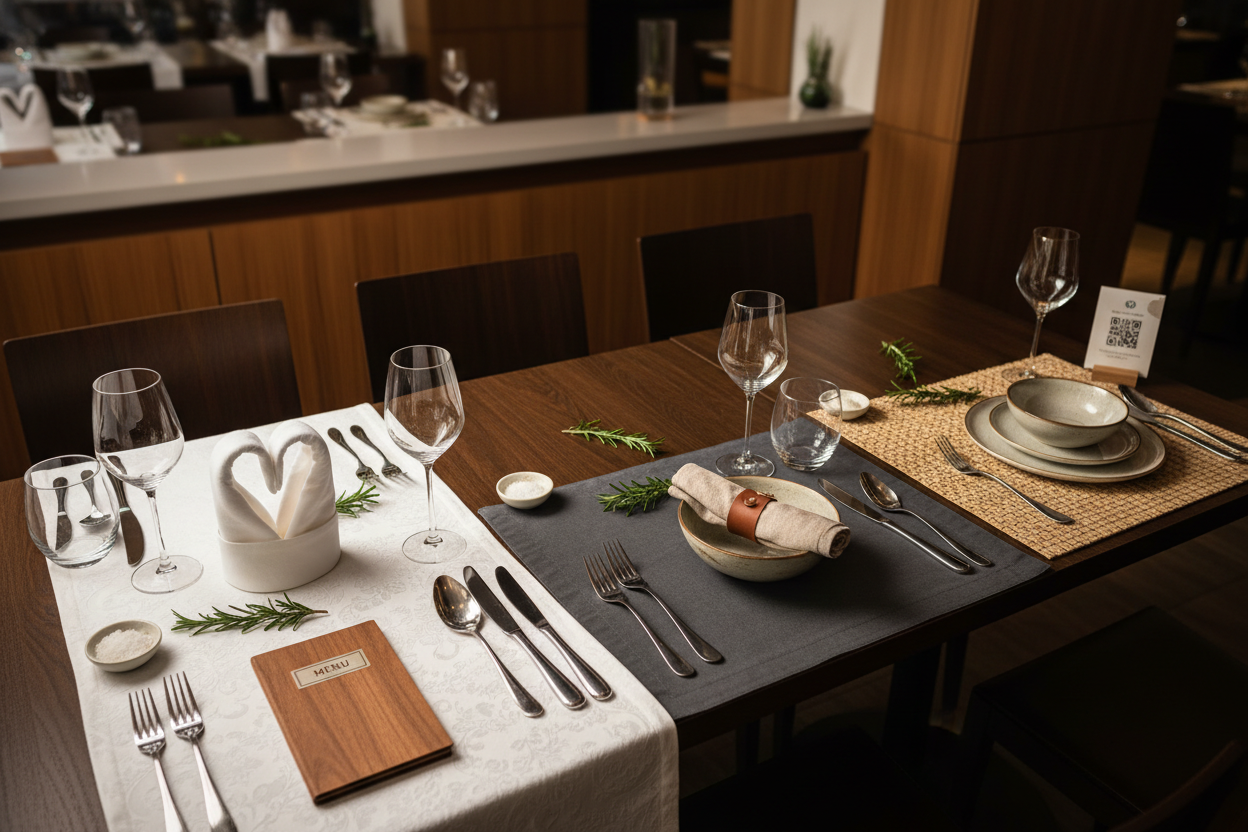
Casual dining table setup uses a casual table setting designed for efficiency and warmth. It is the basic table setting used in most everyday service. The goal is to make guests feel comfortable quickly without formality. A typical casual setup:
-
Napkin folded simply and placed on the charger or center of place setting
-
Dinner fork on the left, dinner knife and spoon on the right
-
Water glass sits above the knife
-
Menu placed at the center or to the right of the place setting
This setup is common in family restaurants and most restaurants that prioritize speed and comfort.
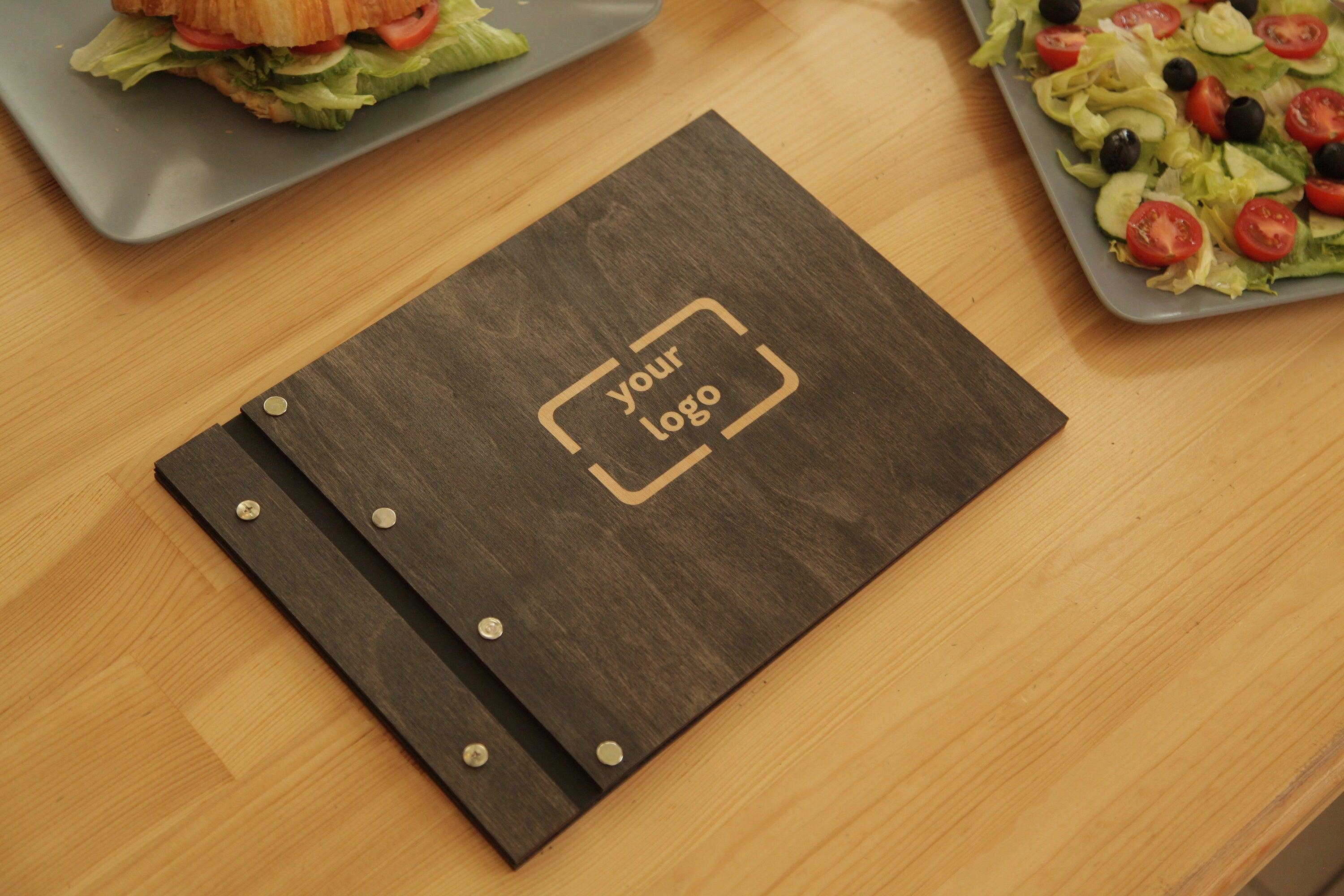
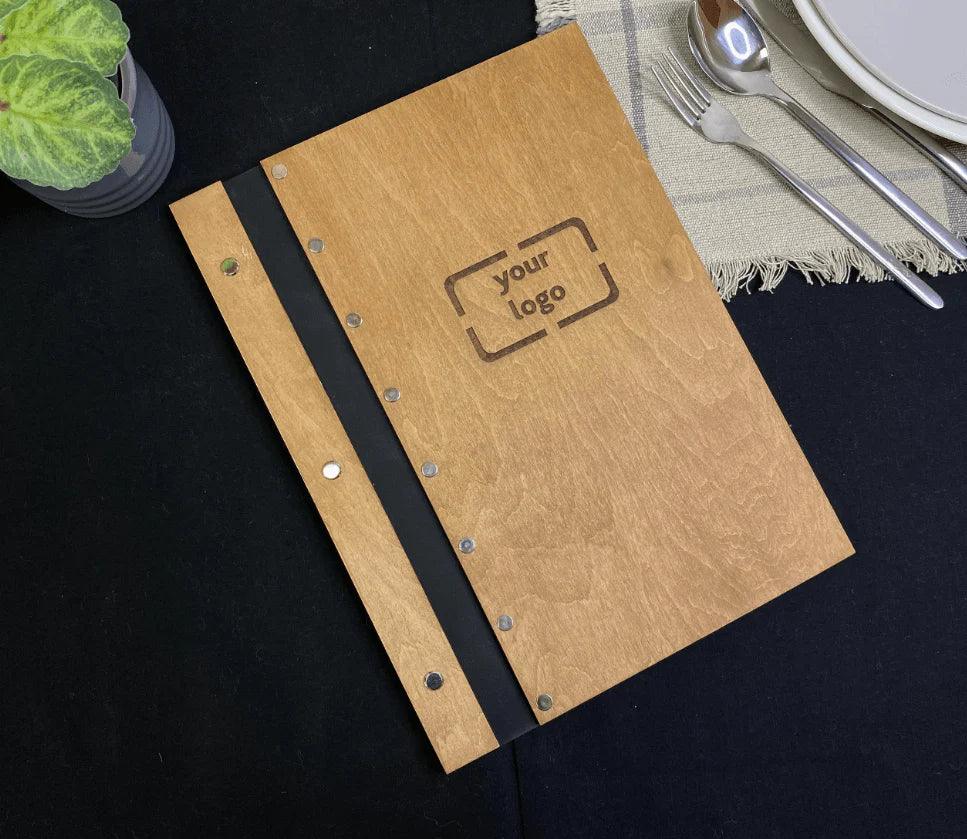
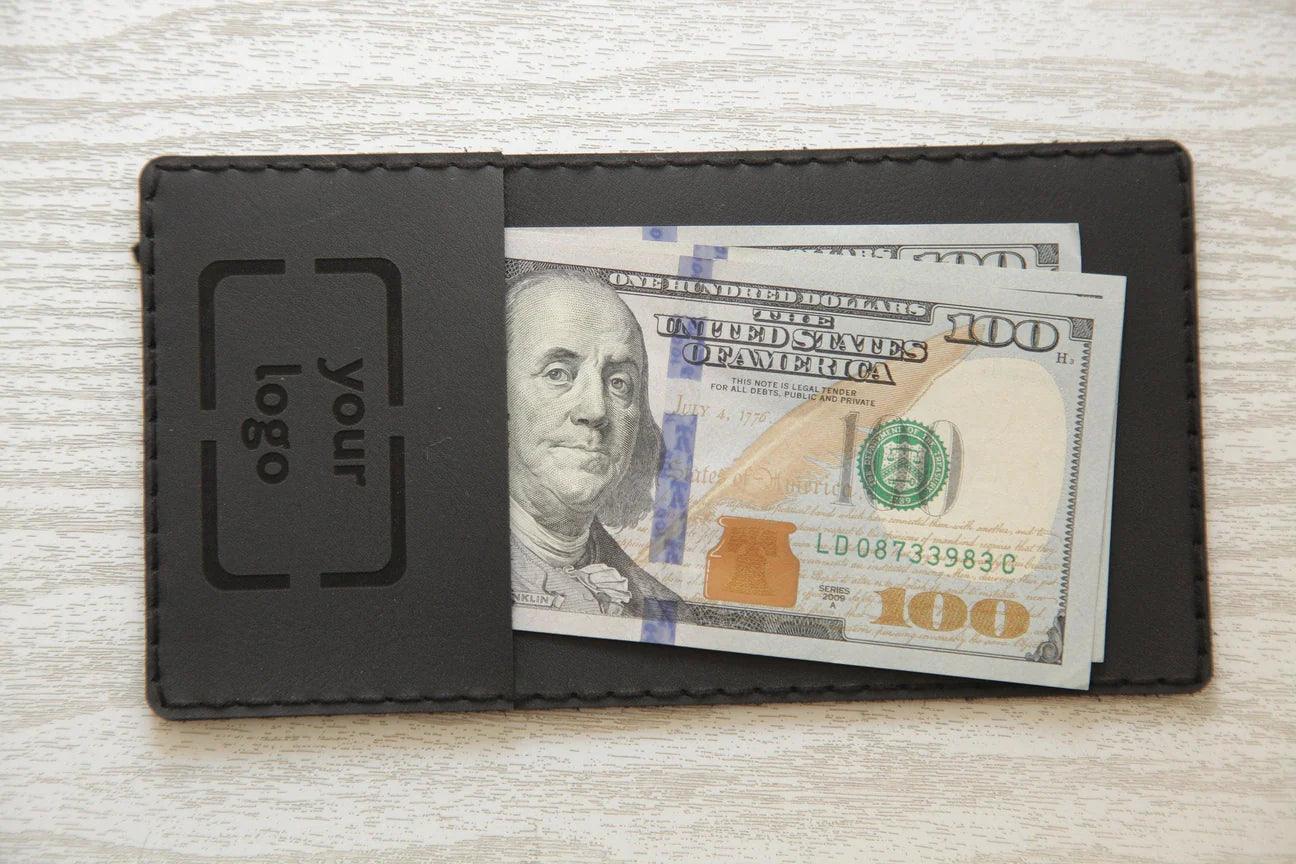
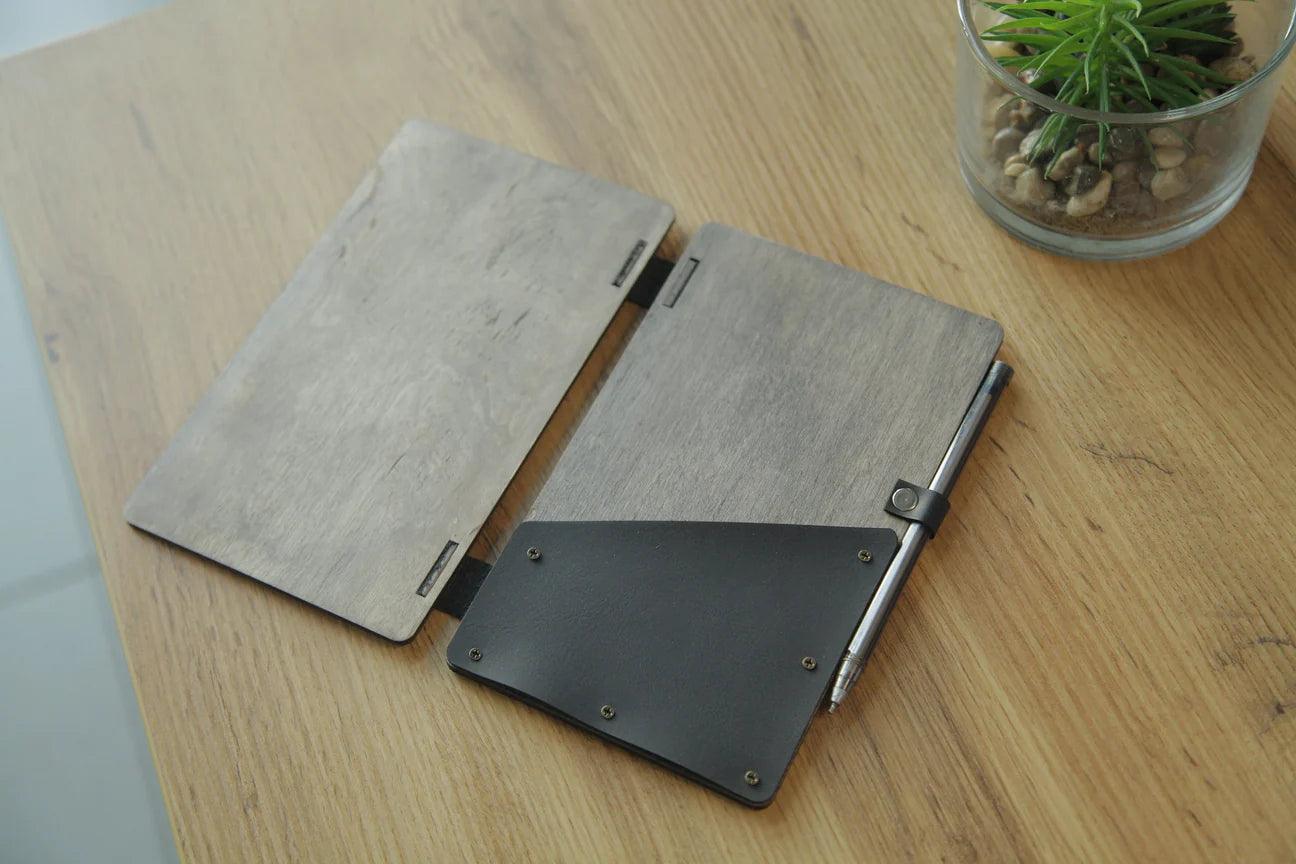
The menu holder at a casual table sets the tone. Wooden menu boards or simple leather holders elevate casual dining significantly without creating a mismatch — they're warm, tactile, and tell guests they're somewhere that takes quality seriously without taking itself too seriously.
2. Bistro and Brasserie
Bistro table setup is an informal table setting, a step above casual but less rigid than fine dining. It uses more utensils than a basic setup without becoming fully formal. Classic elements:
-
White or linen napkins, sometimes fanned or folded into a simple shape
-
Full place setting with dinner plate, salad plate, bread plate, and butter knife added
-
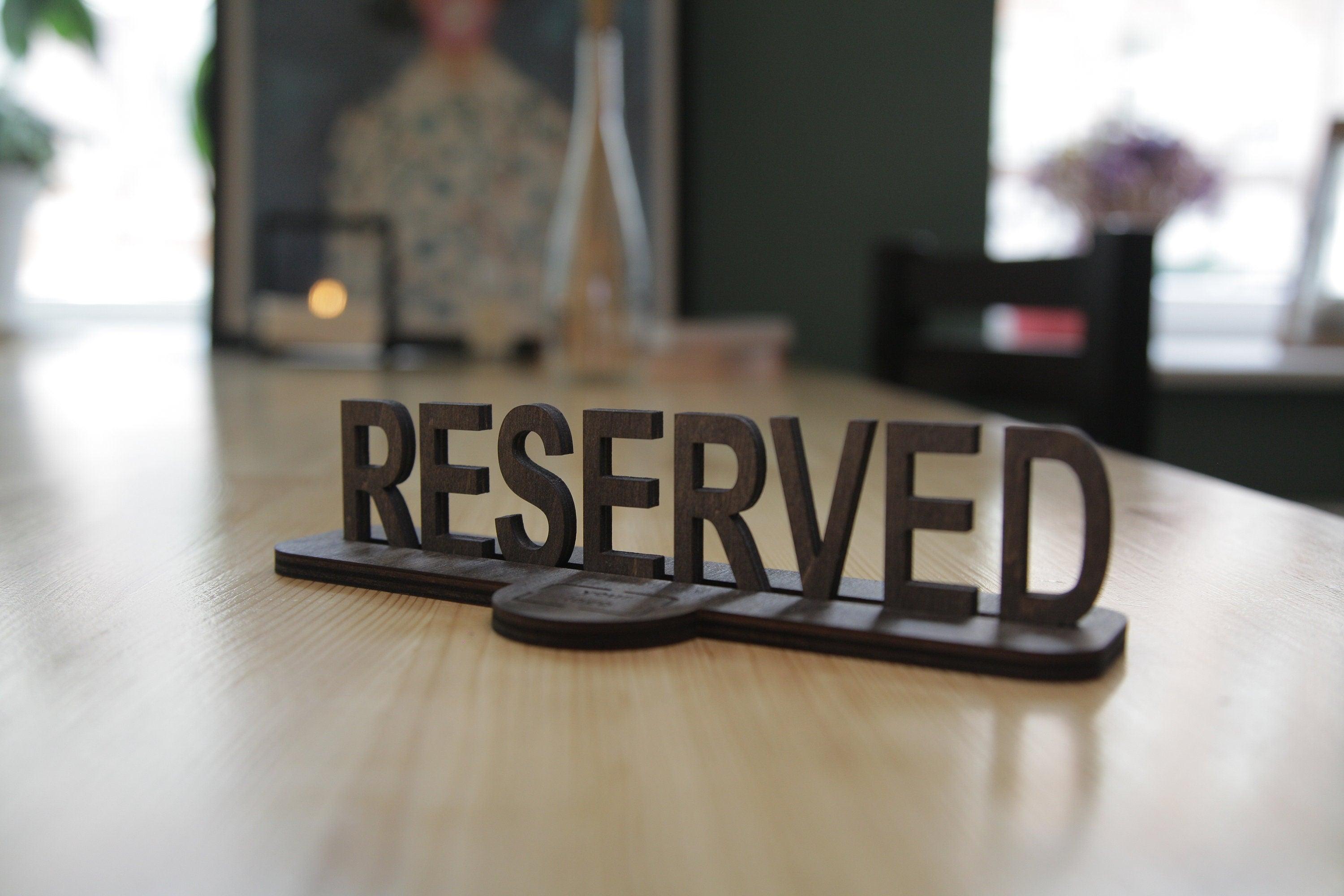
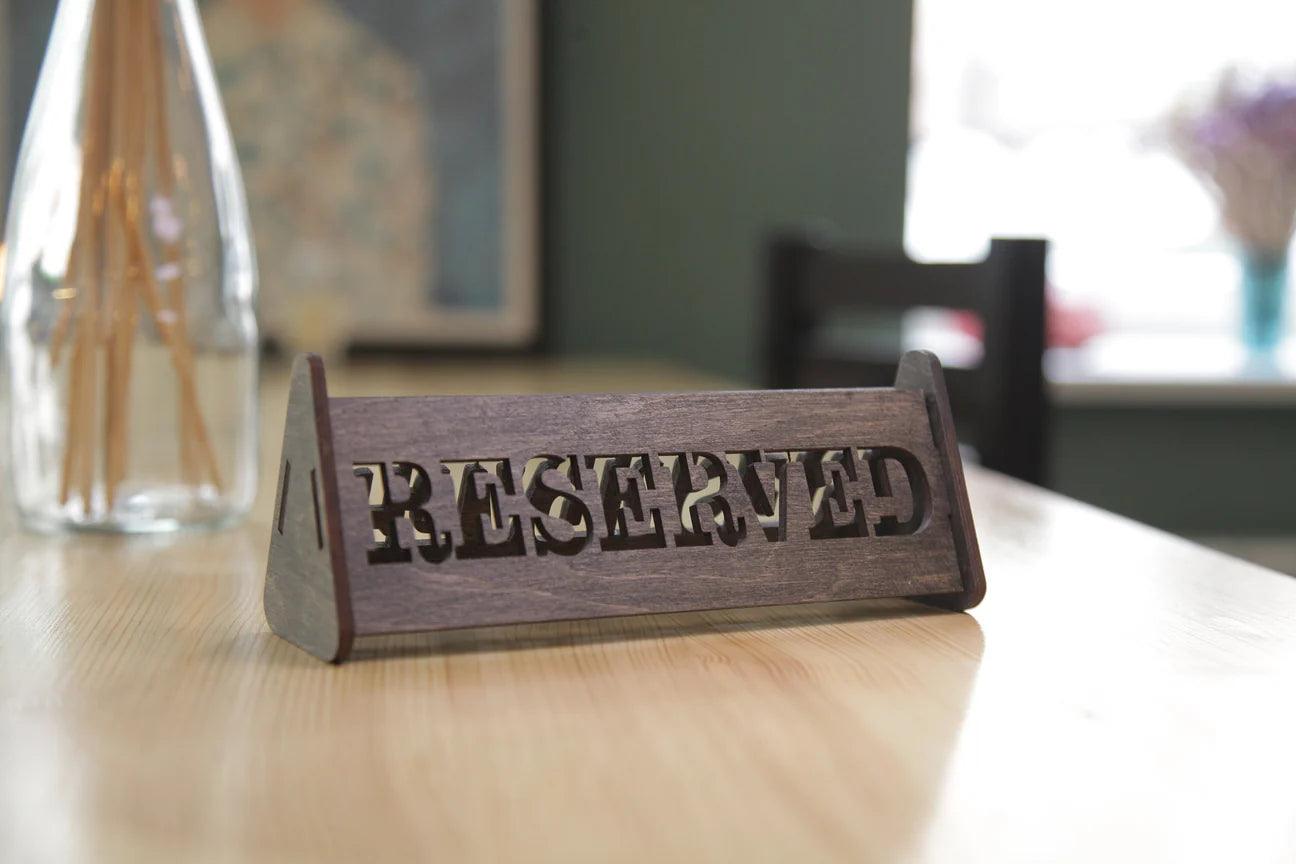
Reserved table signs are common for managing reservations — a small engraved wooden or metal sign that reads 'Reserved' is sufficient and adds character
-
Menus brought to the table by the server rather than pre-set, unless the restaurant uses table boards
3. Fine Dining and Formal Table Setting
A formal table setting is the most choreographed and the least forgiving of inconsistency, and this kind of formal table is designed for multiple courses that can scale to a six course meal or other special event service. A complete fine dining setup includes:
-
Service plate centered exactly on the place mat or table surface
-
Salad fork, fish fork, and dinner fork on the left; salad knife, fish knife, dinner knife, and soup spoon on the right, laid in order of use from outside in
-
Dessert utensils can be preset above the plate, with a dessert fork included when the service style calls for it
-
Bread plate with a butter spreader laid diagonally
-
Multiple glasses: water, a wine glass, a red wine glass, a white wine glass, and sometimes a champagne flute
-
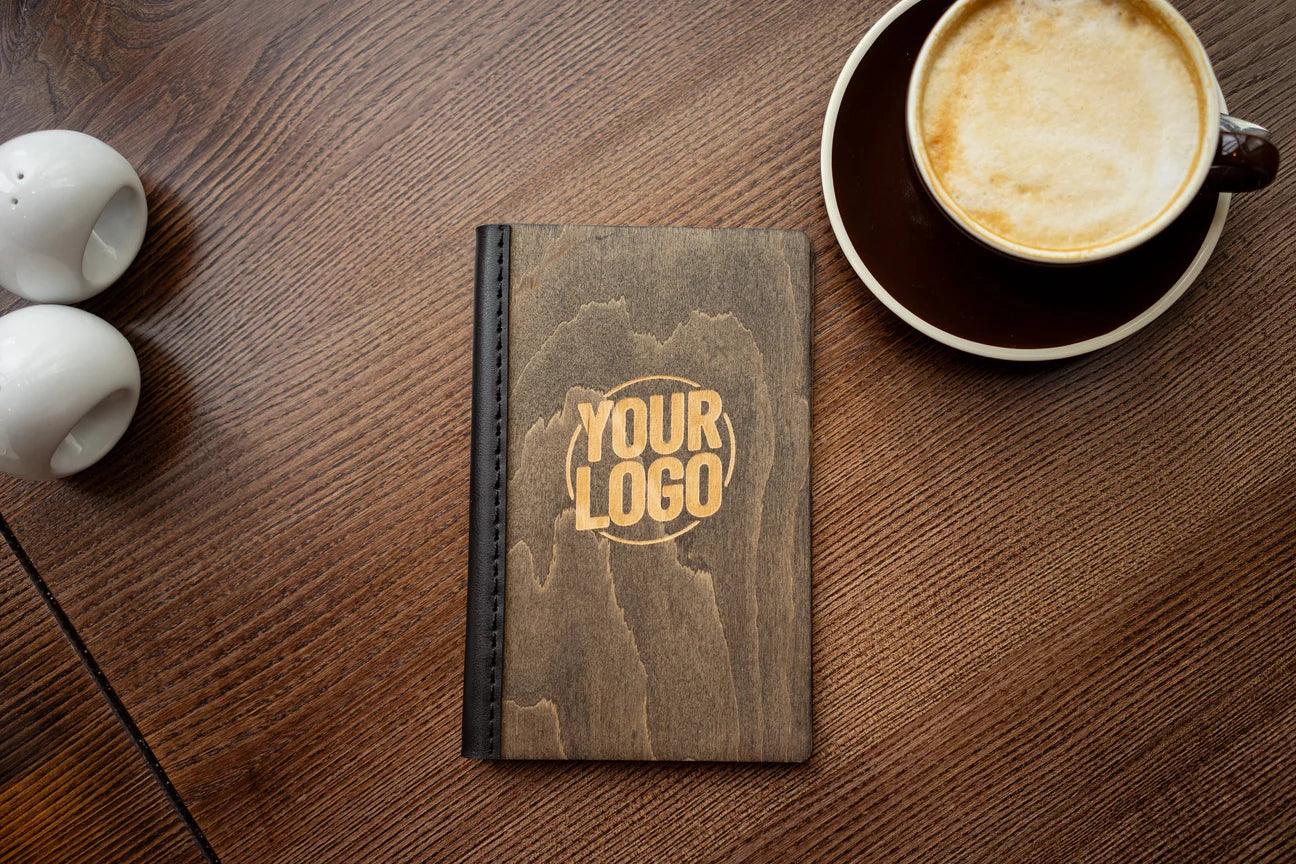
Menu presented in a premium cover — leather, engraved wood, or custom binding — and presented by the server rather than pre-set
These details create a more professional dining experience and an exceptional dining experience in formal settings.
At fine dining level, the menu cover is part of the ceremony of the meal. It should be handled carefully and presented face-up, right-side up, directly in front of the guest.
4. Buffet Table Service
Buffet table setup is primarily about the key elements of flow and clarity. Guests also need enough space to move comfortably around the buffet. The guest-facing table needs very little — clean place settings, napkins, and sometimes a table number sign so runners can deliver specialized dishes, with a designated drink station set up separately for beverages; in cocktail-style service, cocktail napkins may replace full place settings. The key detail is clearly marked reserved signage for sections that are pre-booked or held for specific groups.
5. Banquet and Event
Banquet setup follows a preset standard that needs to be replicable across many tables simultaneously so the dining area feels coordinated. Banquets may also use folding tables for flexible layouts. Consistency matters more than creativity. Pre-set menus — either printed cards or small menu covers — are standard, and table numbers and reserved signs must be clearly visible from a distance for event coordination, especially for wedding receptions.
Essential Table Items: The Overlooked Brand Details
Beyond cutlery and glassware, the small items on the table are where brand consistency either holds or breaks, and those details shape the broader dining room impression as much as the tabletop itself. The three most common are, with a direct impact on visual appeal:
Menu Covers and Holders
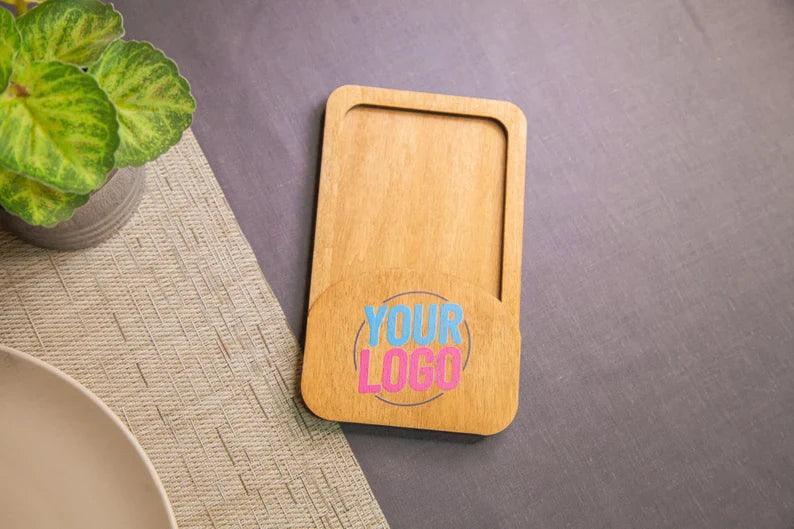
The menu holder is the most-handled object on the table after the glass. Its material, weight, and condition should reflect the price point, identity, and dining room decor of the restaurant. A menu cover that's cracked, stained, or visually mismatched with the rest of the table sends a clear signal of inconsistency in quality standards.
Reserved Table Signs
Reserved signs do double duty: they manage seating operationally, and they communicate to arriving guests that the restaurant is organized and in demand. The best reserved signs are simple, legible, and match the material palette of the restaurant. Wooden engraved signs work for rustic, warm, or artisan concepts; metal or acrylic signs suit industrial or modern environments.
QR Code Displays
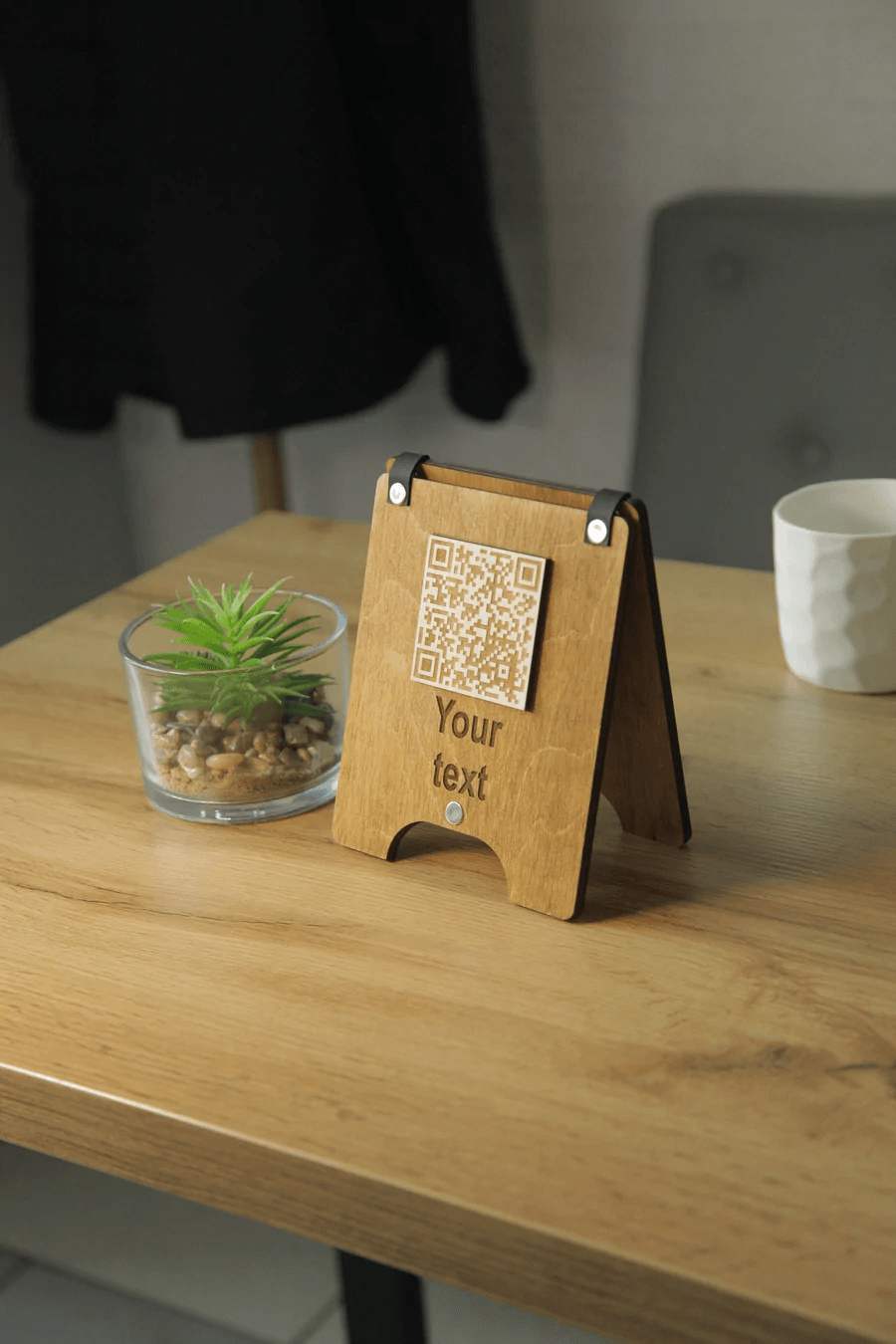
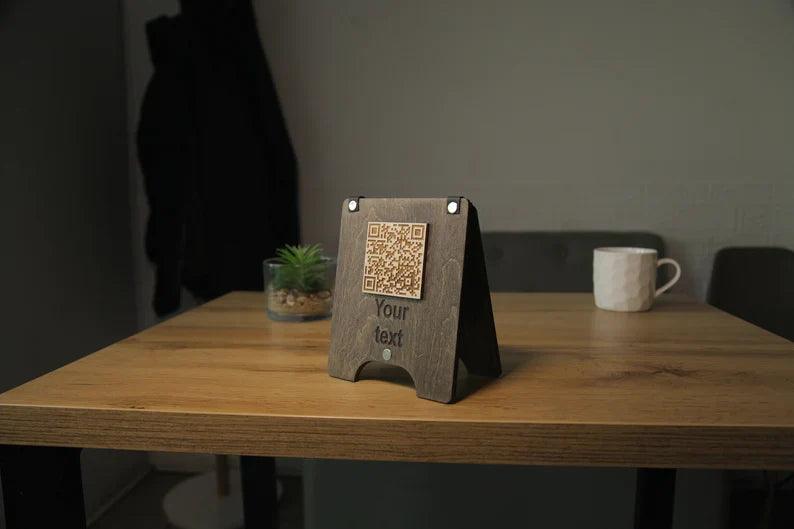
As QR codes become standard for digital menus, the display holder matters. A bare sticker on a table looks temporary. A proper wooden or acrylic QR code holder signals that the format is intentional and permanent. At casual tables, it can replace the printed menu entirely; at fine dining, it supplements it for wine lists or allergy information.
Training for Consistency
The best table setup system is one that staff can replicate without thinking by following basic rules. Staff should also know how to choose the right table setup for each service style. A few tools that help:
-
A one-page visual guide with photos of the correct setup for each service type, including a basic table layout, a breakfast table, and formal settings — post it in the prep area, not just in the training manual
-
A pre-service checklist that front-of-house completes before doors open
-
A designated 'table captain' role for banquet events who checks every table before guests are seated
-
Clear standards for menu handling: how covers are presented, replaced after each guest, and cleaned between services
Table setup is one of the easiest things to get consistently right — it just requires clarity, training, and the right physical tools. When every table looks intentional, the service team can focus on what matters: the guest in front of them and a smooth service flow.