


10 steps of service in a restaurant (2026)
The 10 steps of restaurant service ensure a consistent, high-quality dining experience: 1) Greet guests warmly, 2) Seat guests and offer water/drinks, 3) Take drink/appetizer orders, 4) Deliver drinks, 5) Take entrée orders, 6) Serve food, 7) Perform a 2-minute check-back, 8) Clear empty plates (pre-bus), 9) Offer dessert/coffee, 10) Process payment and thank guests.
The standard steps of restaurant service include:
-
Greeting (Within 1-2 Minutes): Acknowledge guests immediately upon arrival or seating with a warm smile and welcoming attitude.
-
Seating and Initial Water Service: Seat guests, present menus, and offer water, or provide bread/water immediately to start the experience.
-
Drink Order & Suggestive Selling: Offer specific cocktails, wine, or appetizers to start, demonstrating menu knowledge
-
Drink Delivery & Food Order: Serve drinks promptly (within 2-3 minutes) and take the main food order.
-
Order Entry & Accuracy: Enter orders into the POS system accurately, ensuring special requests or allergies are noted.
-
Serving the Food: Deliver food promptly, ensuring it is correct and delivered to the right person.
-
The 2-Minute/2-Bite Check-Back: Check with guests shortly after they start eating to ensure food quality and offer refills.
-
Table Maintenance (Pre-bussing): Clear empty plates, appetizer dishes, and unused glassware throughout the meal to keep the table tidy.
-
Dessert & Coffee Suggestion: Offer dessert, after-dinner drinks, or coffee to maximize the experience.
-
Check Presentation & Farewell: Present the check promptly when requested, process payment efficiently, and thank the guests, inviting them to return.
In this article, we explore the main steps of service in a restaurant that ensure a consistent, high-quality guest experience through a structured sequence of interactions.
10 steps of service in a restaurant

A structured service process helps restaurants deliver a smooth, professional dining experience from the moment guests arrive until they leave. Here are the key steps of restaurant service with examples that show how each stage works in practice.
Greeting (Within 1–2 Minutes)
Greeting guests promptly is the first and most important step in restaurant service. A warm and timely greeting helps guests feel noticed and welcomed as soon as they arrive. Staff should acknowledge guests within one to two minutes with eye contact, a smile, and a polite introduction, even if the restaurant is busy. This step sets the tone for the entire dining experience and demonstrates professionalism and attentiveness.
For example, when guests enter the restaurant, a host or server may say, “Good evening, welcome to our restaurant. How many people are in your party?” Even if the table is not ready yet, acknowledging the guests and letting them know they will be seated shortly helps create a positive first impression.
Seating and Initial Water Service
After greeting the guests, the next step is seating them comfortably and beginning the dining experience with menus and water service. The host or server should guide guests to their table, provide menus, and offer water or bread if the restaurant provides it. This step helps guests settle in and prepares them to start reviewing the menu.
For instance, once guests are seated, the server might say, “Here are your menus. Would you prefer still or sparkling water?” Providing water immediately shows attentiveness and gives guests time to explore the menu while waiting for the server to return.
Drink Order and Suggestive Selling
Once guests are comfortable at the table, the server should take drink orders and introduce appealing menu options. This stage is also an opportunity for suggestive selling, where the server recommends cocktails, wine, or appetizers based on the restaurant’s specialties. Demonstrating knowledge of the menu helps build trust and can increase the overall order value.
For example, a server may say, “Can I start you off with one of our signature cocktails or perhaps a glass of house wine?” If the restaurant is known for a particular appetizer, the server might add, “Our grilled calamari is very popular if you’d like something to share while you decide on your meals.”
Drink Delivery and Food Order
After drinks are prepared, they should be delivered promptly, ideally within two to three minutes. When returning with the drinks, the server should check whether the guests are ready to place their food order. This ensures that the service flow remains efficient and prevents unnecessary waiting time.
For example, when placing the drinks on the table, the server might say, “Here are your drinks. Are you ready to order, or would you like another minute to look at the menu?” This approach keeps the experience relaxed while also maintaining good service timing.
Order Entry and Accuracy
Once the order is taken, the server must enter it accurately into the restaurant’s point-of-sale (POS) system. Correct order entry is essential to ensure that the kitchen receives clear instructions and that special requests, allergies, or dietary restrictions are properly communicated.
For instance, if a guest asks for a burger without onions or requests a gluten-free option, the server must record that information carefully in the POS system. Accurate order entry prevents mistakes, reduces food waste, and helps deliver exactly what the guest expects.
Serving the Food
When the food is ready, it should be delivered promptly and presented correctly. Servers should confirm each dish before placing it on the table and ensure that it is served to the correct guest. This step requires attention to detail and coordination with the kitchen.
For example, a server might say, “The grilled salmon for you, and the chicken pasta here.” Proper presentation and clear communication help guests feel confident that their order has been handled carefully.
The 2-Minute / 2-Bite Check-Back
Shortly after the guests begin eating, the server should return to the table to check if everything is satisfactory. This check-back usually occurs after about two minutes or after the guests have taken a few bites. It allows the server to address any issues early, such as incorrect dishes or missing items.
For example, the server might ask, “How is everything tasting so far?” If a guest mentions a problem, it can be resolved immediately before the meal progresses further.
Table Maintenance (Pre-Bussing)
Throughout the meal, servers should maintain the table by clearing empty plates, used napkins, and unused glassware. This process, known as pre-bussing, keeps the table tidy and ensures guests remain comfortable during the dining experience.
For example, when guests finish their appetizers, the server can politely remove the empty plates and ask if they would like another drink. Keeping the table organized improves both the visual appearance and the overall guest experience.
Dessert and Coffee Suggestion
Once the main course plates are cleared, the server should offer dessert, coffee, or after-dinner drinks. This step creates an opportunity to enhance the dining experience and increase additional sales while guests are still enjoying their time at the restaurant.
For instance, a server might say, “Would you like to see our dessert menu? Our chocolate lava cake and house-made tiramisu are guest favorites.” Suggesting desserts in a friendly way often encourages guests to continue the experience.
Check Presentation and Farewell
The final step of restaurant service is presenting the check and thanking the guests for their visit. The check should be delivered promptly when requested and processed efficiently. A polite farewell leaves guests with a positive final impression and encourages them to return.
For example, after processing payment, the server may say, “Thank you for dining with us tonight. We hope to see you again soon.” A sincere goodbye completes the service cycle and strengthens the relationship between the restaurant and its guests.
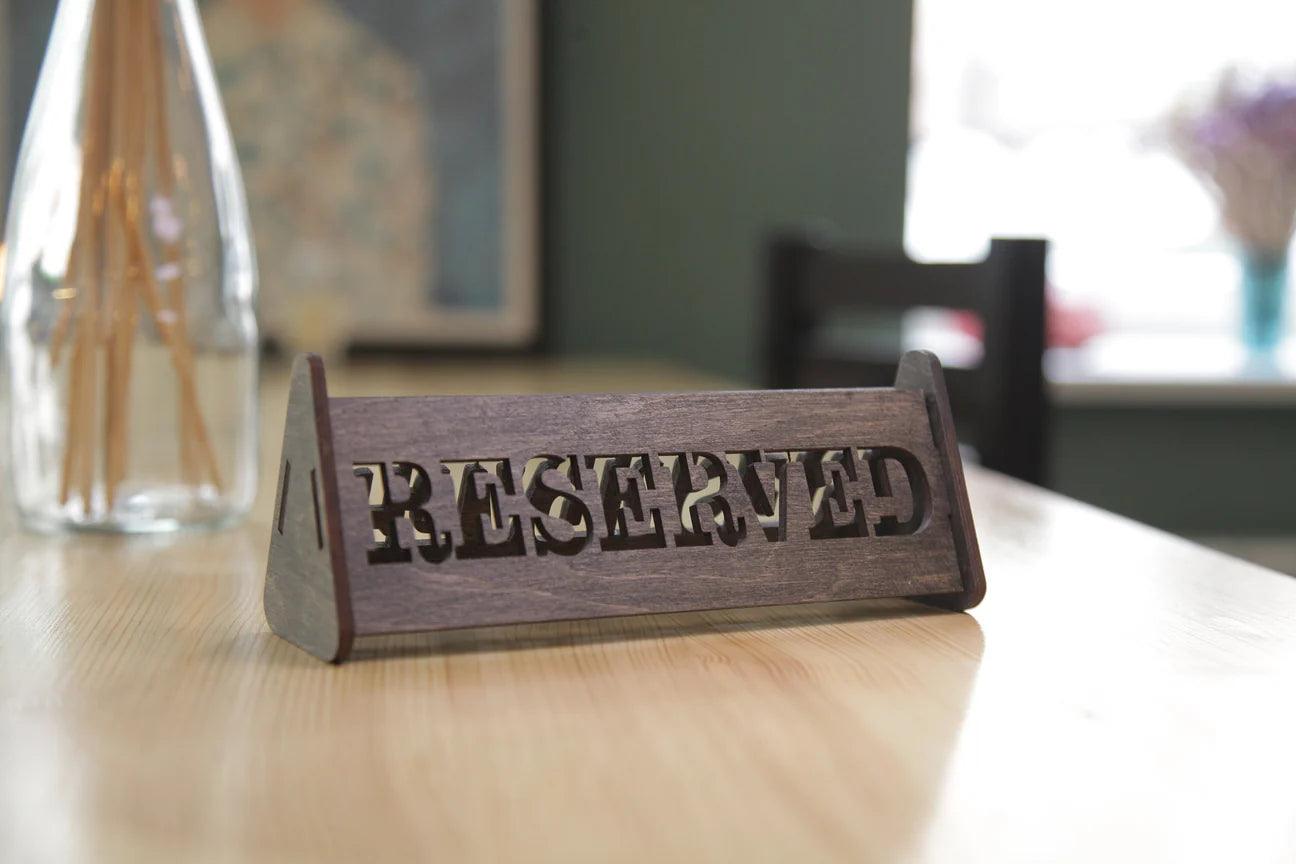
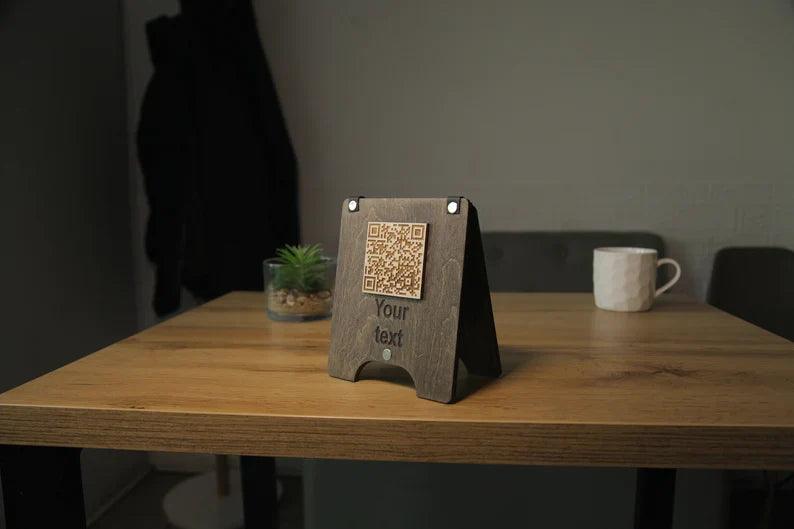
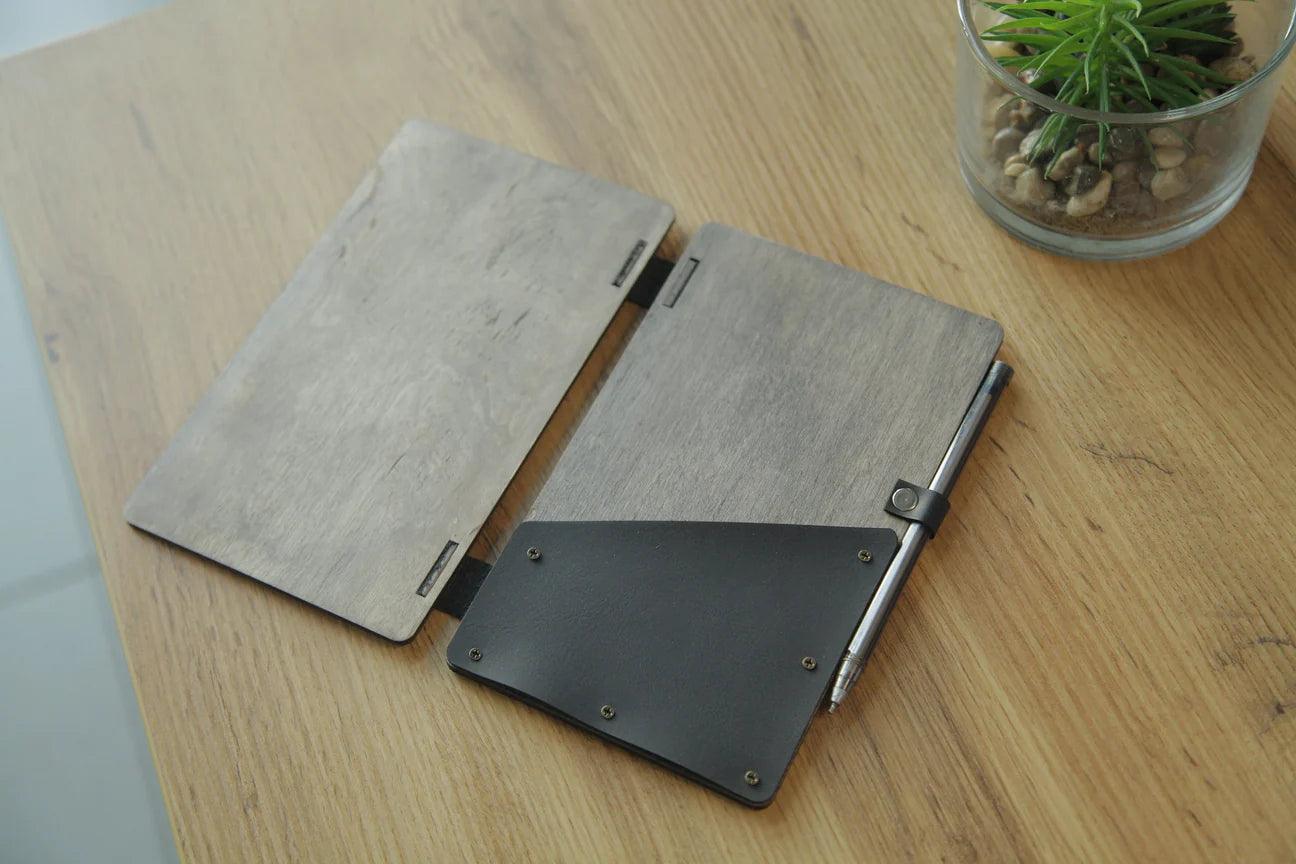
Custom decor products for restaurants from KyivWorkshop

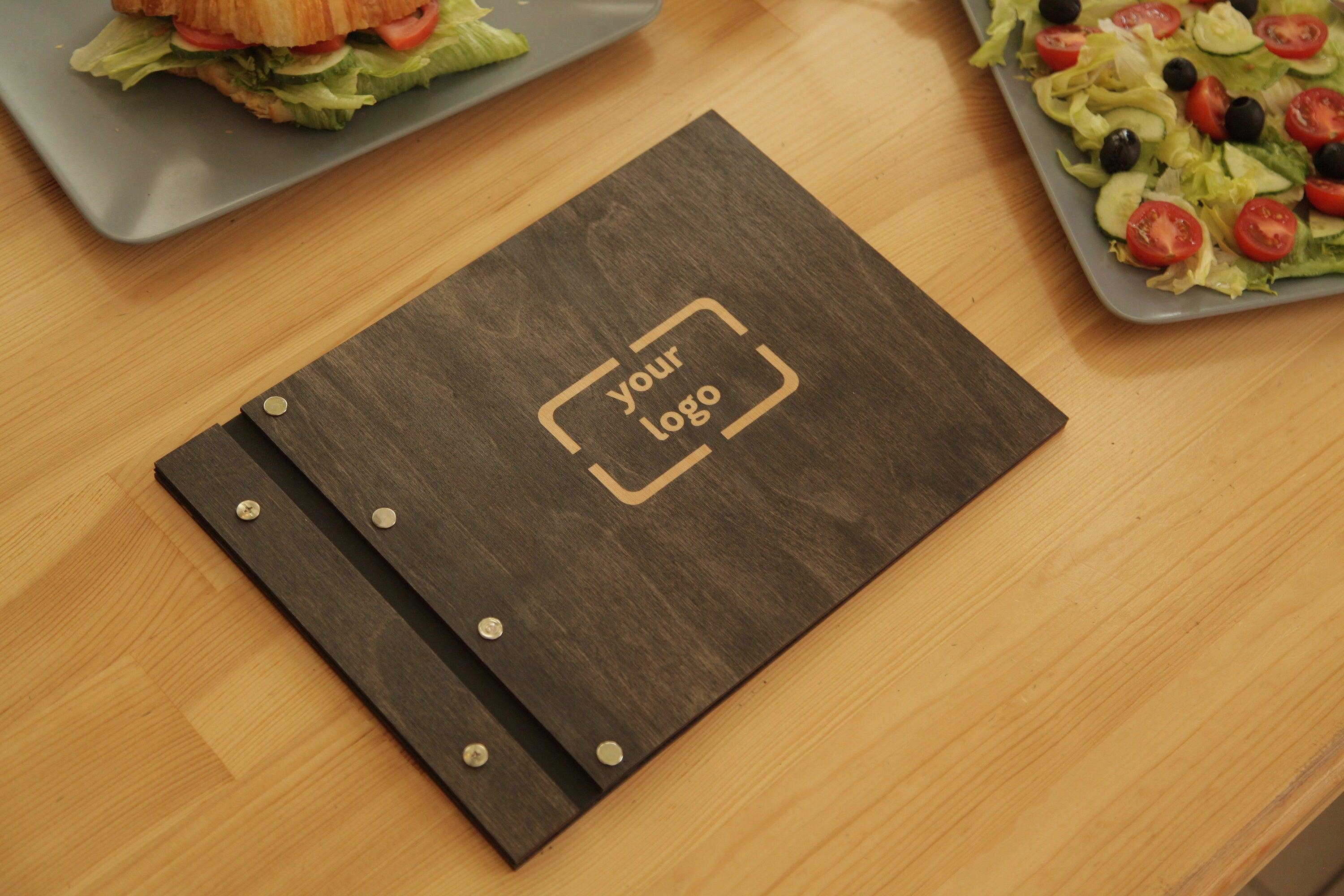
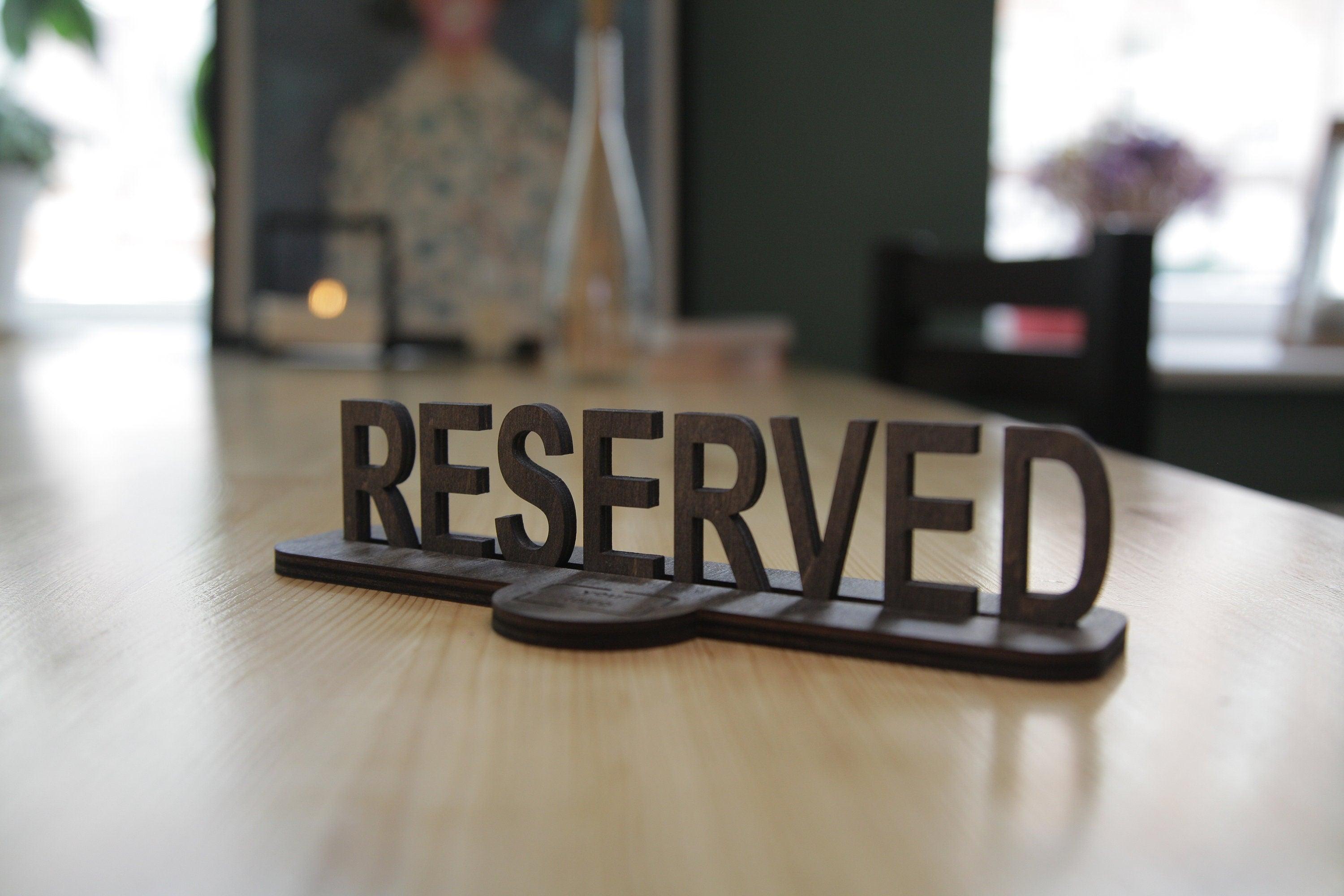
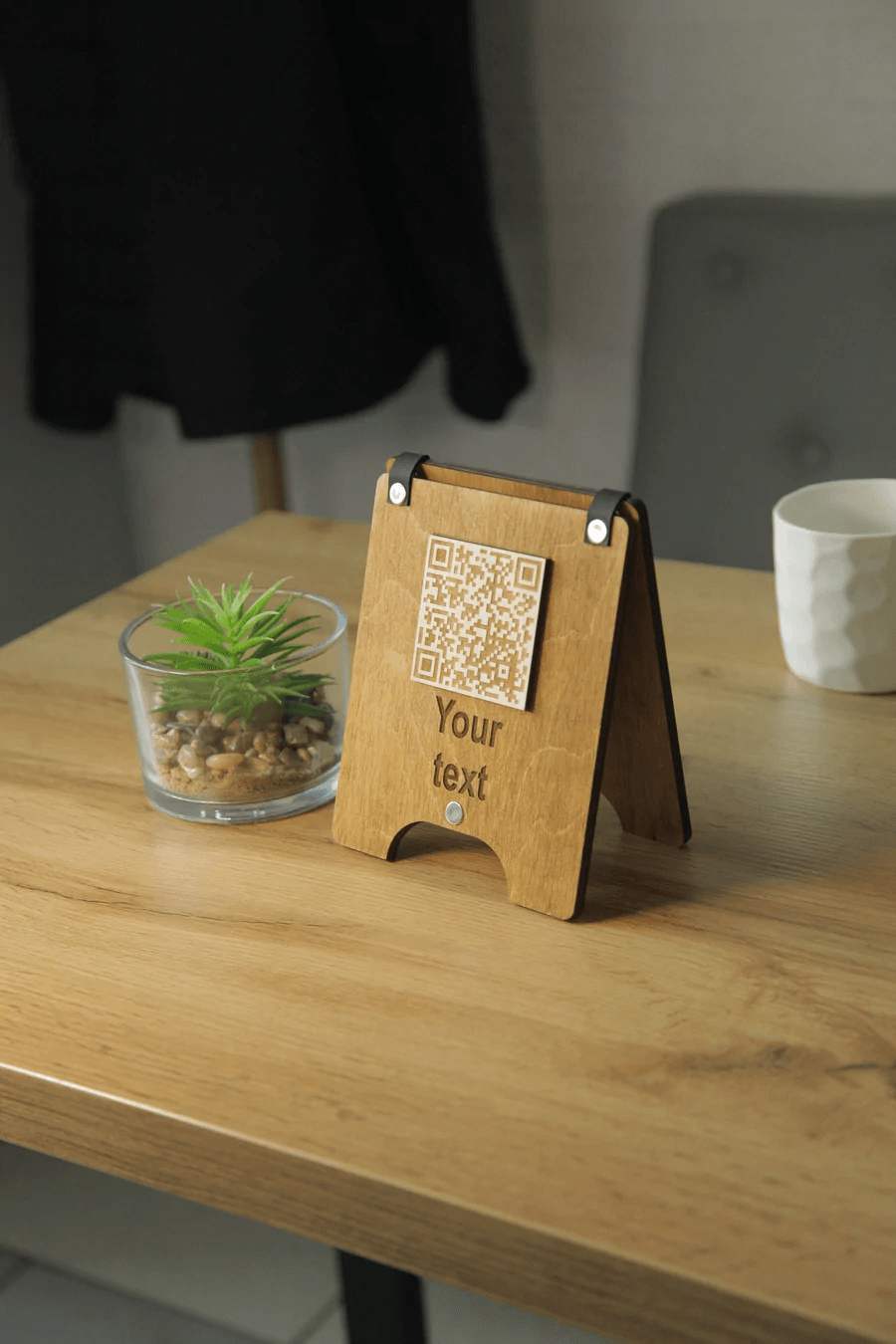
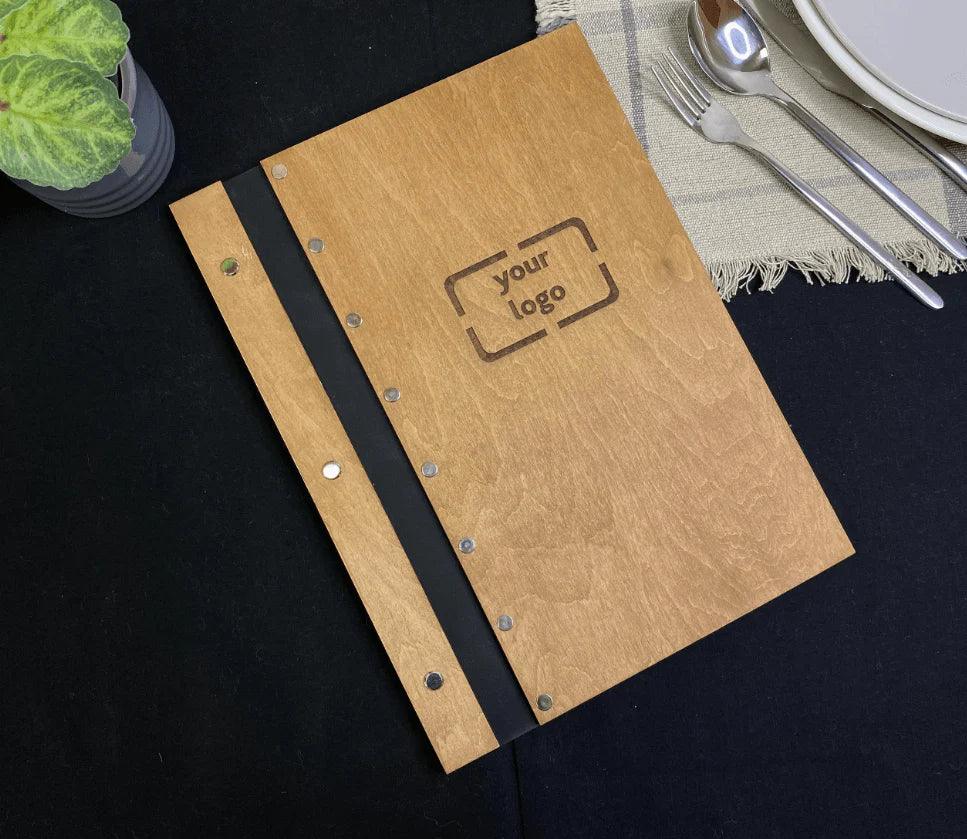
KyivWorkshop helps transform everyday elements into memorable design features with handcrafted menu covers, wooden QR code stands and other custom décor pieces.
We invite you to explore our custom restaurant decor products to make your space truly unforgettable.
FAQs
What is restaurant service?
Restaurant service refers to the structured process of welcoming guests, taking orders, serving food, and ensuring satisfaction throughout the meal. It combines communication, efficiency, and attention to detail to support a positive dining experience. Restaurants follow specific steps of service to ensure consistency from greeting to payment. The goal is to deliver exceptional service that encourages guests to return.
What services do restaurants render?
Restaurants provide several services that support the full guest experience, including seating, ordering, food preparation, and table service. Many establishments also offer beverage service, desserts, and assistance with menu choices. These services help guests enjoy their dining visit without needing to manage any details themselves. High-quality service can strengthen a restaurant's restaurant's reputation over time.
What is contemporary service in restaurant?
Contemporary restaurant service combines traditional hospitality with modern efficiency and technology. Many restaurants use digital tools such as POS systems and reservation platforms to improve workflow and accuracy. At the same time, servers focus on personalized interaction to support memorable dining experiences. This balanced service model helps restaurants meet modern guest expectations.
What do you call a professional who takes orders in a restaurant?
A professional who takes orders in a restaurant is usually called a waiter or waitress, although the term server is now widely used. This person guides guests through the menu and ensures the order is communicated correctly to the kitchen. Servers also explain menu items, recommend dishes, and present the wine list when appropriate. Their role helps increase sales while maintaining service quality.
What do you call a person who takes orders in restaurants?
The most common term for someone who takes orders is server, though waiter or waitress may also be used depending on the establishment. This role involves interacting directly with customers and coordinating with the kitchen and bar. Servers represent the restaurant during the moment guests decide what to order. Their communication skills strongly influence the overall experience.
Who takes orders in a restaurant?
Orders are typically taken by a server assigned to the table. The server listens carefully, confirms details, and records requests so the kitchen can prepare dishes correctly. In larger restaurants, several staff members may support the process by delivering food or drinks. Clear coordination between the team helps service run smoothly.
How long after the guests’ seating should the waiter or waitress approach the table?
Servers should approach the table within about two minutes after guests are seated. This timing shows attentiveness without making guests feel rushed. The initial approach is often used to offer drinks and explain specials before guests spend too much time waiting. A prompt greeting contributes to a positive great experience.
What are the steps of service in a restaurant?
The restaurant steps of service guide staff through each stage of the guest interaction. These usually include greeting guests, taking drink orders, delivering food, checking satisfaction, and processing payment. Following these steps helps maintain clear service standards across the restaurant. Consistency in these actions supports smooth restaurant operations.
Does serving count as sales experience?
Yes, restaurant serving is considered a form of sales experience. Servers recommend dishes, highlight specials, and encourage additional orders such as desserts or drinks. Their ability to guide guests through the menu can help increase sales for the restaurant. Many businesses value this experience because it combines communication and hospitality skills.
Is it true or false: gesturing to the menu and saying the word "menu" while asking for an order is part of guest service?
This statement is generally considered false in professional service training. Simply pointing to the menu without explanation does not reflect strong service communication. Effective servers provide helpful guidance rather than relying on minimal gestures. Good service focuses on interaction and creating memorable dining experiences.
What is the sequence of service in hospitality?
The sequence of service describes the order in which guest interactions occur during a meal. This includes greeting, seating, ordering, serving food, and concluding the visit. Many restaurants teach these as the basic steps that structure professional service. Following the sequence ensures a consistent dining process for guests.
What should an event server maintain throughout the service at a formal banquet?
During a banquet, servers must maintain attention, professionalism, and coordination throughout the event. They ensure that all the guests receive food at the same pace and that tables remain organized. Communication with supervisors and managers helps maintain service flow. Maintaining high service standards is essential for formal events.
When should guests be greeted upon entering the restaurant?
Guests should be greeted immediately when they enter the door of the restaurant. A prompt greeting prevents unnecessary waiting and makes visitors feel acknowledged. A friendly warm welcome sets a positive tone for the entire visit. Early engagement helps create a comfortable start to the dining experience.
How can service steps help restaurants deliver a more organized and consistent dining experience?
Clear service steps provide staff with a structured guide for interacting with guests. These procedures ensure that each table receives consistent attention and support. When employees follow the same sequence, coordination becomes easier for the entire team. This structure also improves restaurant operations.
How do well-trained staff contribute to creating an exceptional dining experience for guests?
Well-trained employees understand how to communicate, serve food properly, and anticipate guest needs. Their skills help deliver exceptional service throughout the meal. When service is thoughtful and organized, guests are more likely to enjoy memorable dining experiences. Strong training also protects the restaurant's restaurant's reputation.
What are the most effective ways servers can refill drinks, offer coffee, and maintain attentive service throughout the meal?
Attentive servers observe the table regularly and respond to guest needs without interrupting conversation. They may quietly refill drinks or offer coffee once the main course is finished. These small actions demonstrate awareness and professionalism. Consistent attention helps maintain a positive overall experience.
How should servers answer questions about the menu to improve guest confidence and ordering decisions?
Servers should listen carefully and provide clear, honest explanations about ingredients and preparation methods. When guests ask questions, the server should confidently present options and describe flavors or cooking styles. Knowledge about dishes and the wine list helps guide guest choices. Helpful explanations encourage confident dining decisions.
Why are clearly defined service procedures important for smooth restaurant operations?
Defined procedures help employees understand expectations and reduce confusion during busy periods. When the entire team follows the same structure, service becomes faster and more predictable. Managers can monitor performance and support continuous improvement in service quality. Clear systems are essential for efficient restaurant operations.
What are the key responsibilities of a waiter?
A waiter is responsible for greeting guests, taking orders, serving food, and ensuring guest satisfaction. They also coordinate with the kitchen and other staff members to keep service running smoothly. Responsibilities include monitoring tables and maintaining proper service standards. The goal is to support a smooth and enjoyable dining experience.
How to serve food as a waiter?
Food service requires organization, attention to detail, and communication with the kitchen. Servers must correctly identify dishes and deliver them to the appropriate guests. In busy restaurants, servers may also help run food to other tables. Accuracy during this step prevents delays and reduces guest waiting.
What is a stage in a restaurant?
In restaurants, a stage refers to a training shift where a potential employee works temporarily to demonstrate their skills. During this period, the candidate observes operations and assists the team while learning the restaurant’s procedures. Managers use the stage to evaluate how the person handles real service situations. It helps determine whether the candidate is ready for the challenge of restaurant work.
What are the 5 p's of service in restaurants?
The five P’s of service usually refer to principles such as preparation, presentation, professionalism, promptness, and personalization. These ideas help guide staff toward consistent hospitality practices. Many restaurants integrate them with structured service frameworks such as the seven steps of service. These principles are especially important in a fine dining restaurant environment where expectations are high.





%20Greet%20guests%20warmly,%202)%20Seat%20guests%20and%20offer%20water/drinks,%203)%20Take%20drink/appetizer%20orders,%204)%20Deliver%20dri...)