

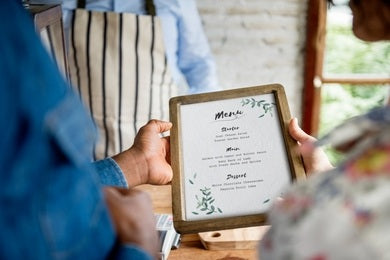
How to choose the right menu size?
Menu sizes vary, but common formats are US Letter (8.5"x11") for general use, Half-Letter (5.5"x8.5") or narrow strips (4.25"x11") for drinks/desserts, and larger Tabloid (11"x17") or Legal (8.5"x14") for extensive options, with choices depending on restaurant style (casual vs. fine dining) and number of items. The ideal size balances readability, design, and the range of dishes offered, with smaller menus often better for profitability and managing kitchen complexity.
Choosing the right menu size is not just about fitting all your dishes on the page. The format you choose affects readability, table space, printing costs, and how guests emotionally perceive your restaurant.
Here are the most commonly used menu sizes and the situations where each works best.
-
Standard Letter: 8.5" x 11" (21.6cm x 28cm) – Versatile for casual dining, lunch menus.
-
Half-Letter: 5.5" x 8.5" – Good for focused selections, bars, coffee shops.
-
Legal: 8.5" x 14" (21.6cm x 35.5cm) – Offers more space for extensive menus.
-
Tabloid: 11" x 17" (28cm x 43.2cm) – Popular for elegant, spacious designs in fine dining or as placemats.
-
Narrow/Specialty: 4.25" x 11" or 4.25" x 14" – Sleek, vertical format for drinks or desserts.
-
Folded: Bifold (like Letter size folded) or Trifold (8.5"x11") offer sections for different categories.
The best menu size is the one that balances clarity, design, and practicality while matching your concept and kitchen capacity. In this guide, we’ll explore typical menu sizes and how to choose the right menu size for your restaurant.
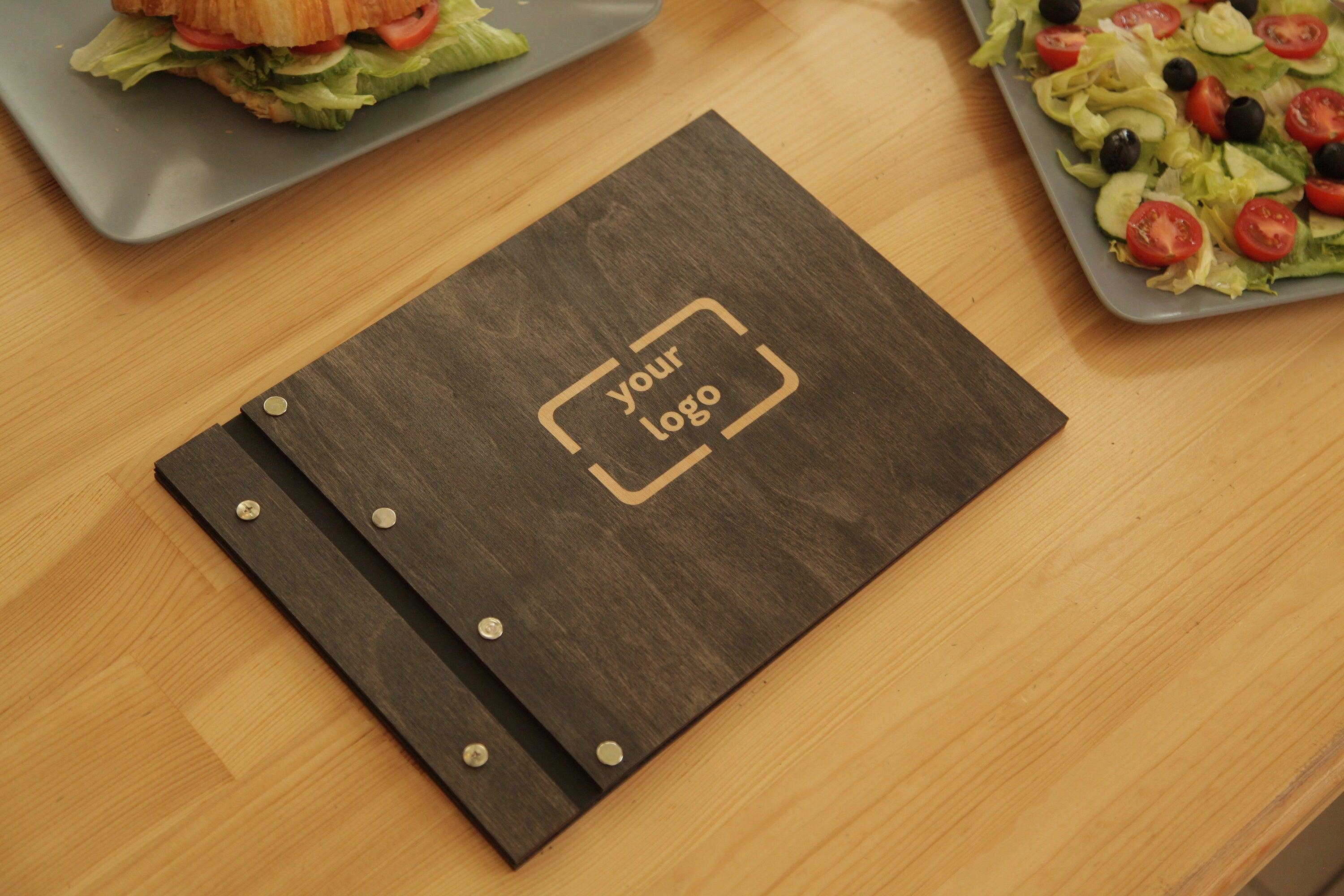
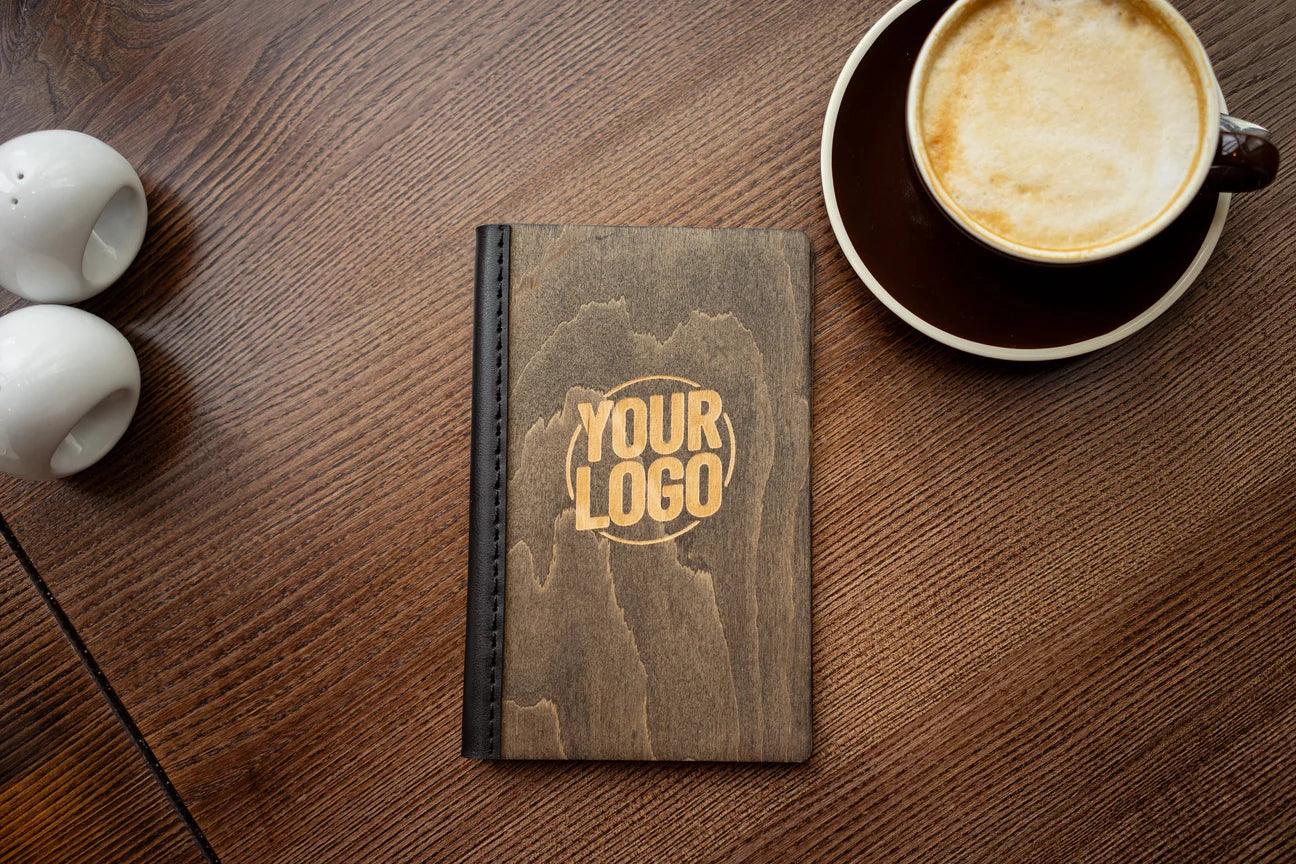
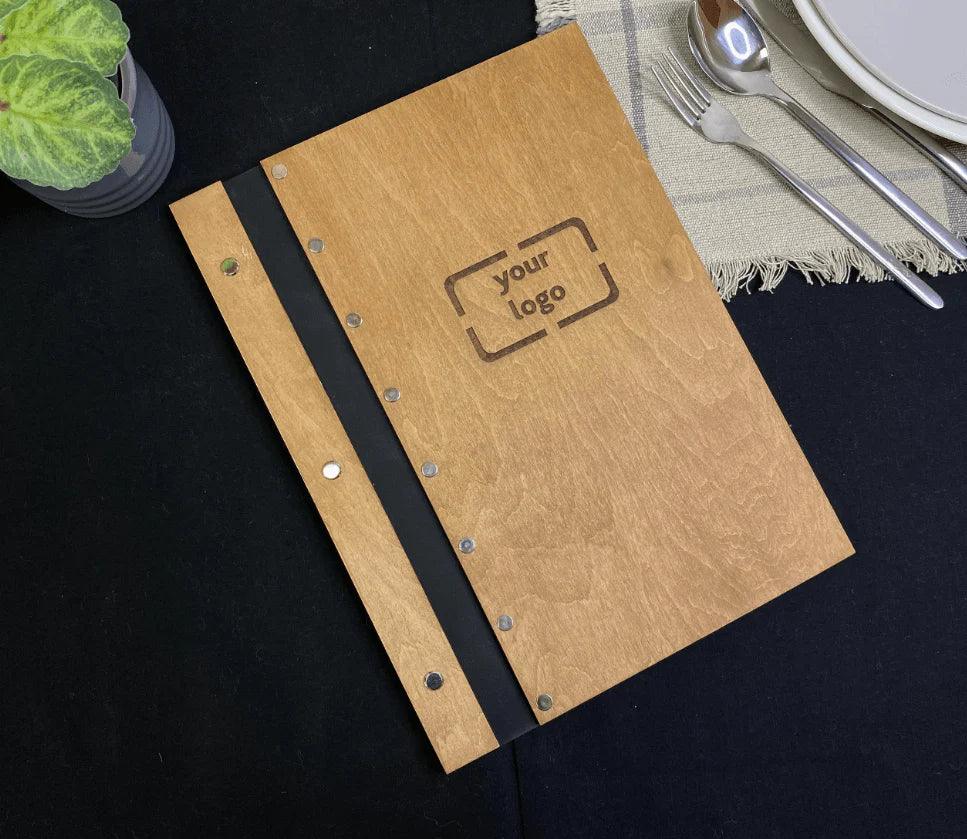
And if you want the menu itself to feel distinctive, the cover and presentation matter just as much as the size. KyivWorkshop offers creative menu covers that can be tailored to your logo, branding, and interior style, helping the menu feel like a natural extension of your restaurant rather than just a printed sheet.
Common menu sizes and their best use

Choosing the right menu size helps guests read comfortably, supports efficient service, and reinforces your restaurant’s concept. Each format serves a different purpose, depending on how much content you need to present, how formal the dining experience is, and how the menu will be handled at the table. Below are the most common menu sizes and when each works best.
Standard Letter (8.5" × 11")
The standard Letter size is one of the most widely used menu formats because of its flexibility and familiarity. It works well for casual restaurants, cafés, and lunch menus where clarity and ease of reading are priorities. This size provides enough space for multiple sections without feeling overwhelming, and it is easy to print, update, and replace when menu items change.
Half-Letter (5.5" × 8.5")
Half-Letter menus are ideal for focused selections and simplified offerings. They are commonly used in coffee shops, bars, bakeries, and casual eateries that want a clean, compact presentation. This size encourages a curated menu approach, helps reduce visual clutter, and fits comfortably on small tables or counters without taking up much space.
Legal (8.5" × 14")
Legal-size menus offer additional vertical space for restaurants with larger menus or detailed descriptions. They work well when you want to keep everything on a single page while still maintaining readable spacing and typography. This format is often chosen by family restaurants or establishments with extensive food and drink options that do not want to rely on multiple pages or folded layouts.
Tabloid (11" × 17")
Tabloid menus are typically used in fine dining or design-forward restaurants where presentation plays a key role in the experience. The larger format allows for generous white space, elegant typography, and high-quality visuals. Tabloid menus are also popular as placemat-style menus, combining functionality with a refined, immersive table setting.
Narrow or specialty formats (4.25" × 11" or 4.25" × 14")
Narrow menus are a popular choice for drink lists, wine menus, dessert selections, or tasting menus. Their vertical layout feels modern and intentional, guiding the eye naturally from top to bottom. This format works especially well in bars and cocktail lounges, where menus are often held in one hand and need to be easy to scan quickly.
Folded menus (bifold or trifold)
Folded menus allow restaurants to organize content into clear sections without overwhelming a single page. Bifold menus are commonly used for separating food and drinks, while trifold menus work well for larger menus that need distinct categories such as starters, mains, desserts, and beverages. These formats add structure, improve navigation, and can create a more premium feel when paired with quality materials.
How to choose the right menu size

Selecting the right menu size depends on more than just how many dishes you offer. Your menu format should reflect your restaurant concept, support smooth service, and help guests make decisions easily. The points below will help you choose a size that works both visually and operationally.
Choose a format that fits a casual or focused menu
For cafés, casual restaurants, and venues with a concise selection, Standard Letter or Half-Letter menus are usually the best choice. These formats keep the menu approachable, easy to read, and simple to update. Smaller sizes also reinforce a curated feel, signaling to guests that the menu is intentional rather than overwhelming.
Use larger formats to support premium or extensive menus
Restaurants with a more formal concept or a broader range of dishes often benefit from Tabloid or bifold menus. These formats provide more space for elegant typography, section separation, and comfortable spacing between items. The result is a premium presentation that aligns with longer dining experiences and higher expectations around design.
Select vertical layouts for drinks and desserts
Narrow, vertical menu formats work especially well for drinks, cocktails, wine lists, and desserts. Their shape encourages quick scanning and feels natural to hold in one hand. This makes them ideal for bars and lounges, where guests often reference the menu multiple times throughout their visit.
Balance menu size with profitability and efficiency
Smaller, focused menus are often easier to manage and more profitable in the long term. A limited menu size encourages tighter ingredient control, faster preparation, and clearer decision-making for guests. When the menu is concise, popular items stand out more clearly, which can improve ordering patterns and reduce waste.
Align menu size with kitchen and staff capacity
Your menu size should always reflect what your staff and kitchen can consistently execute well. A large menu presented on a big format may look impressive, but it can strain operations if the team is not equipped to handle the complexity. Choosing a realistic menu size helps maintain quality, speed, and consistency during service.
What is the size of a standard menu?

A standard menu is most commonly printed in US Letter size, measuring 8.5" × 11" (21.6 × 28 cm). This format is widely used because it offers enough space for multiple sections while remaining easy to read and handle. It works well for casual restaurants, cafés, and lunch menus where clarity and familiarity are important.
The standard size is popular not only for its practicality but also for its flexibility. It can be used as a single-page menu, folded into a bifold format, or placed inside a menu cover without custom sizing. Because of this, many restaurants choose the standard menu size as a reliable starting point, especially when menus change seasonally or require frequent updates.
What is the best size for a menu?

There is no single “best” menu size for every restaurant. The ideal size depends on the type of venue, how guests interact with the menu, and how extensive the offering is. Below are practical recommendations based on common restaurant and café formats.
Cafés and coffee shops
For cafés and coffee shops, Half-Letter (5.5" × 8.5") or narrow vertical menus work best. These formats suit shorter menus focused on drinks, pastries, and light food while keeping tables uncluttered. A smaller menu also encourages quick scanning, which fits the fast-paced, casual nature of coffee-focused venues.
Casual restaurants and bistros
Casual restaurants typically benefit from a Standard Letter size (8.5" × 11") menu. This format provides enough space for starters, mains, and drinks without overwhelming guests. It is familiar, easy to update, and works well for both table service and counter ordering.
Fine dining restaurants
Fine dining venues often choose Tabloid (11" × 17") or bifold menus to create a refined, spacious presentation. Larger formats allow for generous spacing, elegant typography, and minimal visual noise. This supports a slower, more intentional dining experience where the menu is part of the overall atmosphere.
Bars and cocktail lounges
Bars and cocktail lounges are best served by narrow, vertical menu formats such as 4.25" × 11". These menus are easy to hold in one hand and encourage quick reference throughout the evening. Their shape also works well for long drink lists, wine selections, and tasting notes.
Restaurants with extensive menus
Venues offering a wide range of dishes often use Legal size (8.5" × 14") or folded menus to organize content clearly. These formats allow for multiple sections without crowding the page. The key is to maintain clear hierarchy and spacing so guests are not overwhelmed by choice.
Pop-ups and seasonal concepts
Pop-ups, food trucks, and seasonal concepts usually perform best with small, focused menus such as Half-Letter or single narrow sheets. These sizes are cost-effective, easy to reprint, and reinforce the idea of a limited, curated offering. They also adapt well to changing locations and temporary setups.
Best practices for menu design and layout

A well-designed menu helps guests navigate choices easily while subtly guiding attention toward key items. Good layout decisions improve readability, support faster ordering, and make the menu feel intentional rather than cluttered. The following best practices focus on clarity, structure, and usability.
Prioritize readability over decoration
Menus should be easy to read at a glance, even in low lighting. Use clean typefaces, comfortable font sizes, and sufficient line spacing to prevent visual strain. Avoid overcrowding the page with decorative elements that compete with menu text, especially in sections with prices and descriptions.
Create a clear visual hierarchy
A strong hierarchy helps guests understand the menu quickly. Section headings should stand out clearly, followed by item names, then descriptions, and finally prices. Consistent spacing and alignment make it easier for the eye to move naturally from one section to the next without confusion.
Group items logically
Organize menu items in a way that matches how guests think about food. Starters, mains, desserts, and drinks should be clearly separated, with related items grouped together. Logical grouping reduces decision fatigue and helps guests find what they want without scanning the entire menu.
Use white space intentionally
White space is not wasted space. Adequate margins and spacing between sections improve readability and make the menu feel more refined. A crowded layout can overwhelm guests, while thoughtful spacing creates balance and visual comfort.
Highlight key items subtly
If you want to draw attention to specific dishes, do so with restraint. Small design cues such as icons, borders, or slightly different text weight work better than bold colors or large graphics. Subtle emphasis feels intentional and keeps the menu from looking promotional.
Keep descriptions concise and informative
Menu descriptions should explain what the dish is without overloading the reader. Focus on key ingredients, preparation methods, or distinctive elements. Clear, concise descriptions help guests make decisions faster and reduce unnecessary questions during service.
Align layout with table size and service style
Menu size and layout should match how guests will use it. Large menus can feel awkward at small tables, while very small menus may feel insufficient in full-service restaurants. Consider whether menus will be placed flat on the table, held in hand, or used repeatedly during the meal.
Plan for updates and reprints
Menus often change due to seasonal items, pricing updates, or new dishes. Design layouts that are easy to update without requiring a full redesign. Flexible formats help maintain consistency while allowing changes to be made efficiently.
How to select the right menu material and format for durability

Menu durability is just as important as design. Menus are handled frequently, exposed to spills, cleaned regularly, and often stacked or stored between services. Choosing the right materials and format helps extend the life of your menus while keeping them presentable and hygienic.
Consider how often the menu is handled
High-traffic venues such as cafés and casual restaurants need materials that can withstand constant use. Laminated paper, synthetic paper, or menu covers with replaceable inserts work well in these settings. These options protect the menu from moisture, fingerprints, and bending while remaining easy to clean.
Match materials to your environment
The physical environment should guide your material choice. Outdoor seating, humid kitchens, or coastal locations require water-resistant materials such as plastic-coated paper, vinyl, or sealed wood covers. For indoor, low-risk environments, thicker paper stocks or textured finishes may be sufficient without sacrificing durability.
Choose formats that allow easy updates
Menus change over time, and durability should not come at the cost of flexibility. Menu covers with removable inserts, clip systems, or screw bindings make it easy to replace pages without reprinting the entire menu. This approach reduces waste and keeps menus looking fresh even as offerings evolve.
Balance durability with weight and comfort
Heavier materials can feel premium but may be uncomfortable for guests to hold, especially for multi-page menus. Lighter materials with protective finishes often provide a better balance between durability and usability. The menu should feel sturdy without being awkward or tiring to handle.
Think about cleaning and hygiene
Menus should be easy to wipe down and maintain. Smooth, sealed surfaces are easier to sanitize and less likely to absorb stains or odors. Materials that resist warping and peeling after repeated cleaning will maintain a professional appearance over time.
Align material choice with your brand image
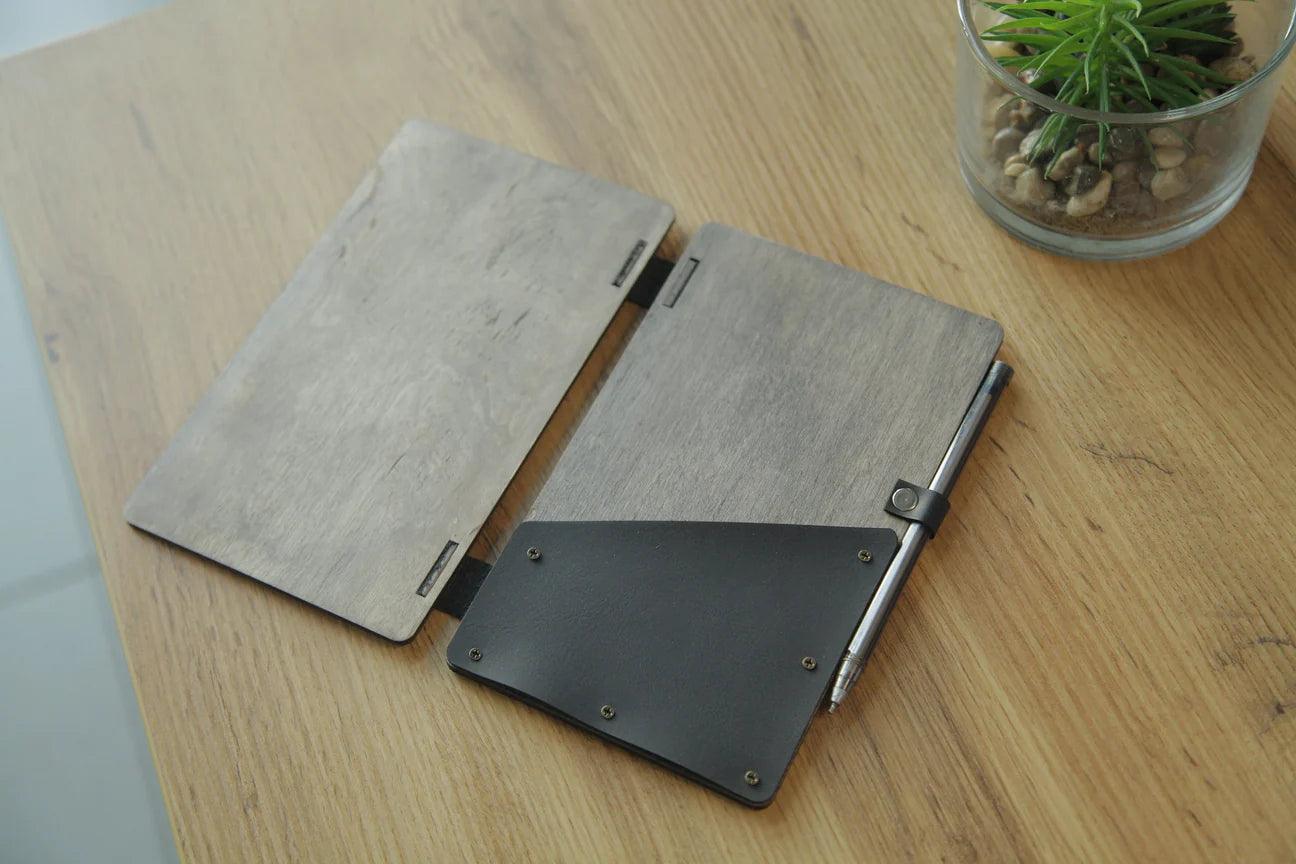
Durability does not mean sacrificing aesthetics. Wood, leather, fabric, or acrylic menu covers can be both long-lasting and visually distinctive when properly finished. Selecting materials that reflect your restaurant’s style helps the menu feel intentional and cohesive with the overall space.
Custom menu covers from KyivWorkshop

And KyivWorkshop’s custom menu covers can help your menu stand out visually while reinforcing your brand identity. With full customization options for size, materials, and branding, they turn the menu into a tactile, memorable part of the dining experience.
We invite you to explore our products and discover menu covers designed to complement your brand and interior.
Frequently Asked Questions
What does menu size mean?
Menu size refers to the physical scale and proportions of a menu used to present offerings. It determines how many menu items can be displayed clearly without crowding. The correct menu size supports readability and flow. It also affects printing and handling.
What is the best size for a menu card?
The best size depends on the venue and service style of the restaurant. Many casual dining spots use compact cards to save table space. A clear menu template helps maintain consistency. The choice should match the target market.
Is A5 a good menu size?
A5 works well when offering fewer menu items in a concise format. It is often used as a half page long menu for drinks or desserts. This format is popular in cafés and bars. It keeps content focused and easy to scan.
What is the size of the menu?
Most venues rely on standard menu sizes for ease of printing. A common option is 8.5 x 11 inches for full-page layouts. Some restaurants prefer legal sized paper for larger listings. Size choice depends on content volume.
Is a smaller menu better?
A smaller menu often improves efficiency and clarity. Restaurants offering fewer items can maintain consistency without sacrificing quality. This approach supports strong menu engineering decisions. It also simplifies operations.
What is the best menu layout?
An effective menu layout guides the customer's eye naturally across sections. Proper spacing prevents overwhelming customers. Strategic use of negative space improves readability. The structure should make sense instantly.
What size is a buffet menu?
Buffet menus are usually larger and displayed away from tables. They are often shown on menu boards or a digital menu board. Some venues use a digital display for flexibility. Viewing distance determines size.
What is the perfect size of a restaurant menu?
There is no single perfect size for all food establishments. High end restaurants often choose larger formats for elegance. Farm to table restaurants may prefer restrained layouts. The goal is a balanced dining experience.
What is the best size for a single page menu?
A single-page menu should provide ample space without too much space. Tabloid size is sometimes used for premium concepts. Compact designs suit quick-service venues. Size should feel intentional.
What are typical menu dimensions?
Typical menu dimensions include Letter, Half-Letter, Legal, and Tabloid. Narrow options like 4.25 x formats are common for a cocktail menu. Some venues adapt layouts for digital screens and mobile devices. Dimensions should match the intended menu formats.


%20for%20general%20use,%20Half-Letter%20(5.5%22x8.5%22)%20or%20narrow%20strips%20(4.25%22x11%22)%20for%20drinks/desserts,%20and%20larger%20Tabloid%20(11%22x17%22)%20or%20Legal%20(8.5%22x1...)