

How to create a restaurant menu in 2026
Creating a restaurant menu involves defining your concept, selecting and pricing dishes, organizing them into logical categories, writing enticing descriptions, designing a readable layout with branding, and choosing appropriate printing or digital formats, focusing on a streamlined, customer-friendly experience. Start by conceptualizing your theme, then list items, categorize them (appetizers, mains, etc.), add details like ingredients and dietary icons, price strategically, and use design tools to create a visually appealing, easy-to-read menu that reflects your brand and drives sales.
Creating a restaurant menu is both a business task and a creative process. A well-planned menu guides your kitchen, shapes the guest experience, and directly influences profitability.
In this practical guide we’ll walk you through every step of creating your restaurant menu.
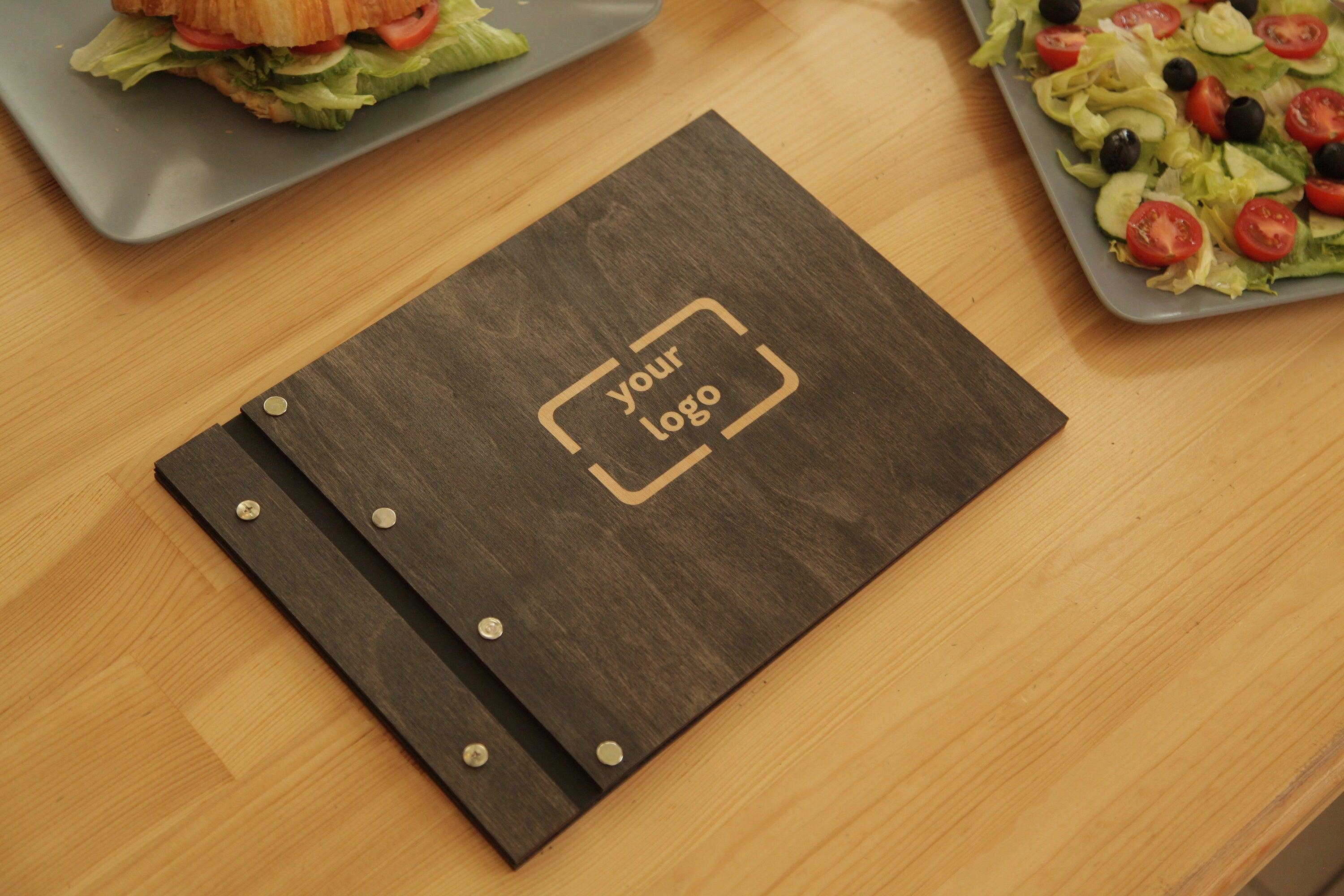
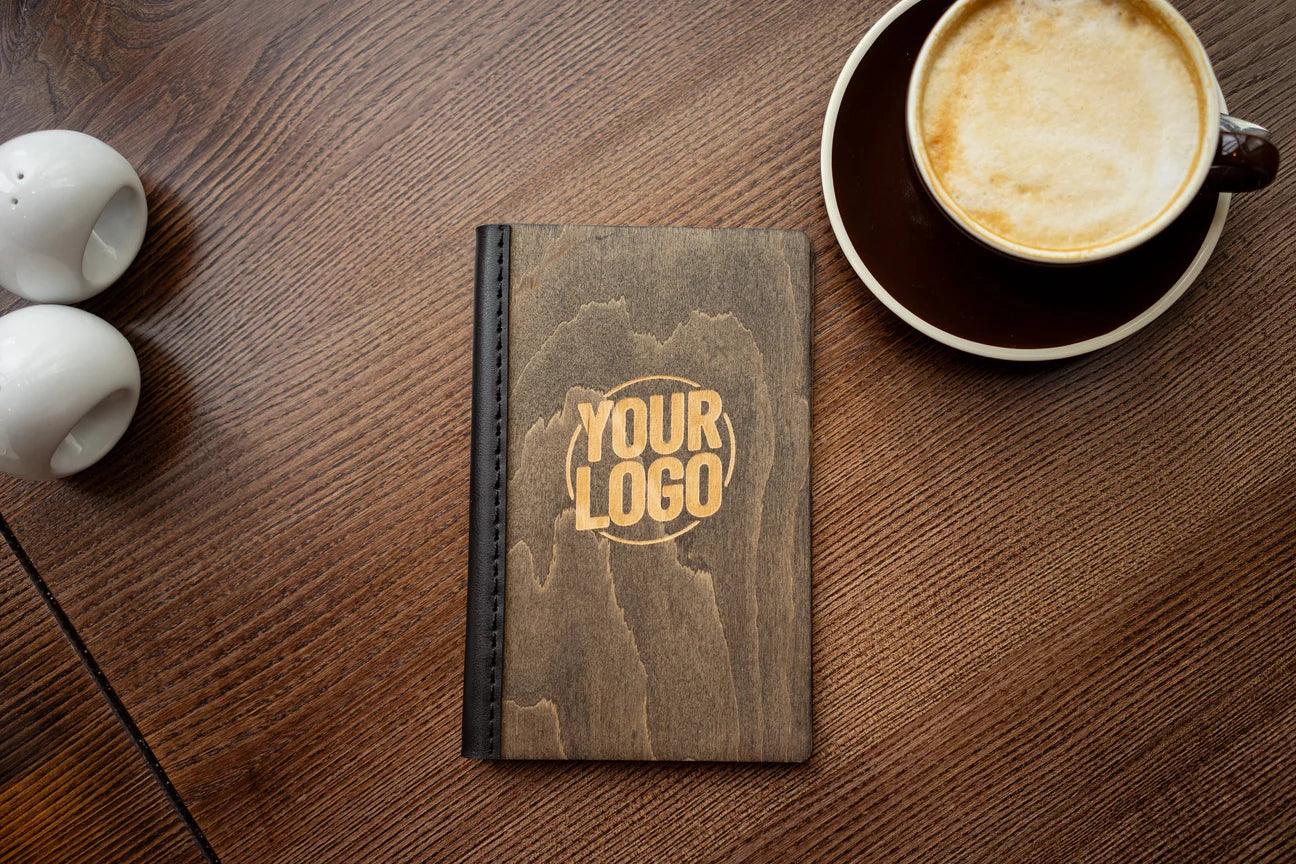
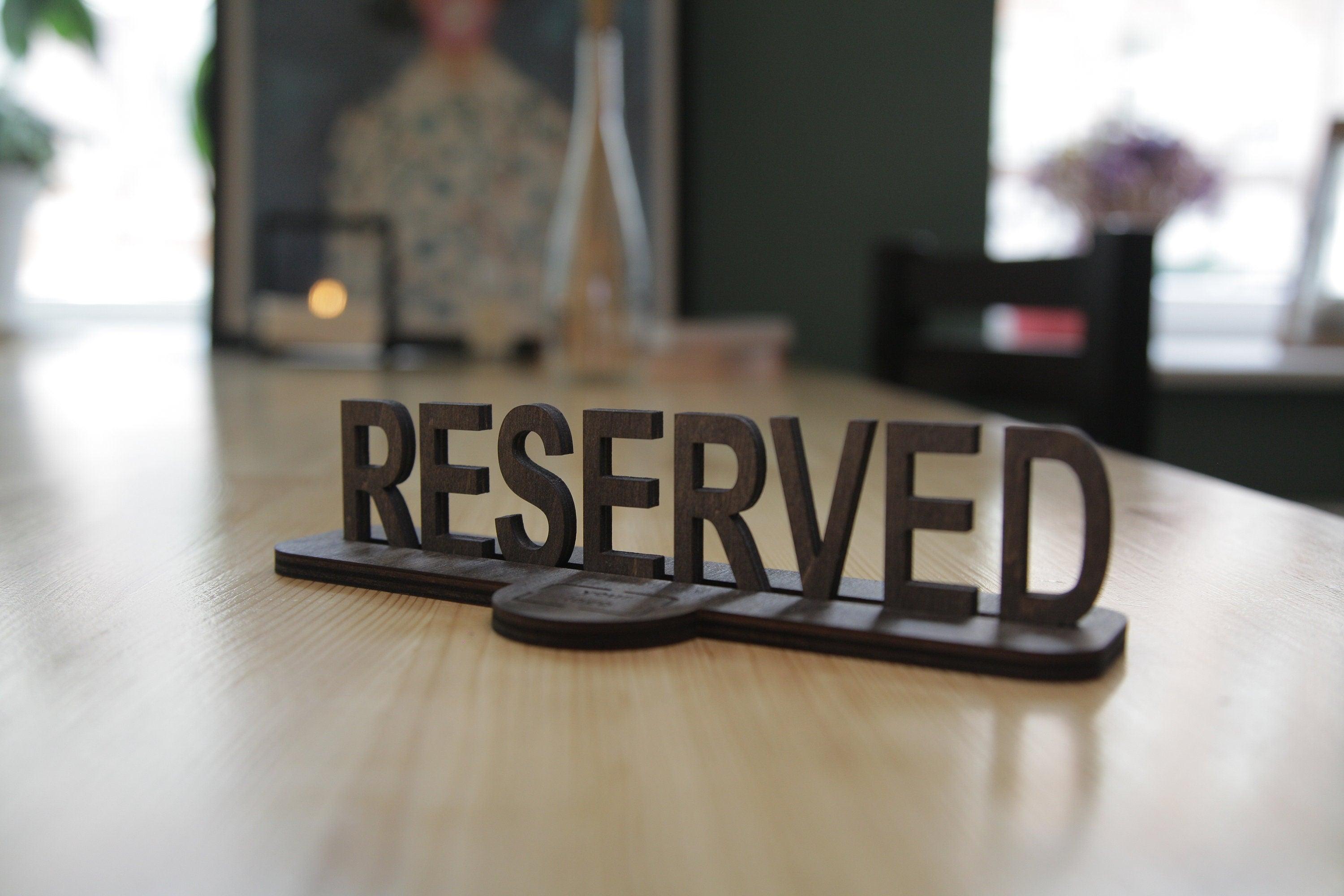
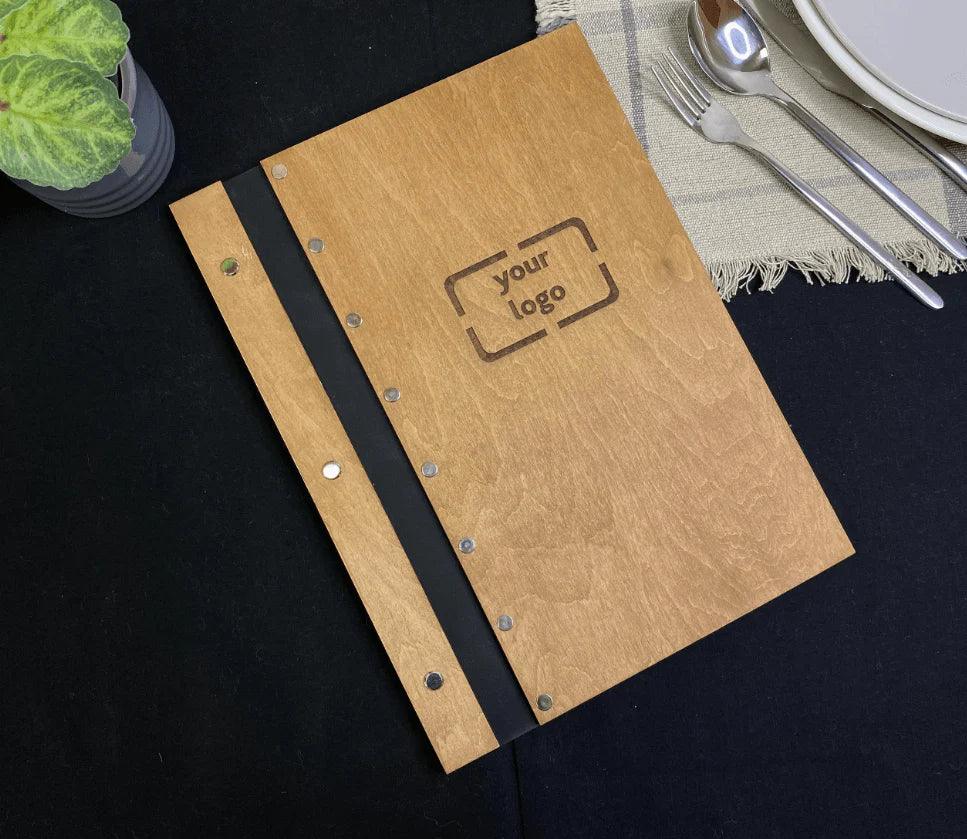
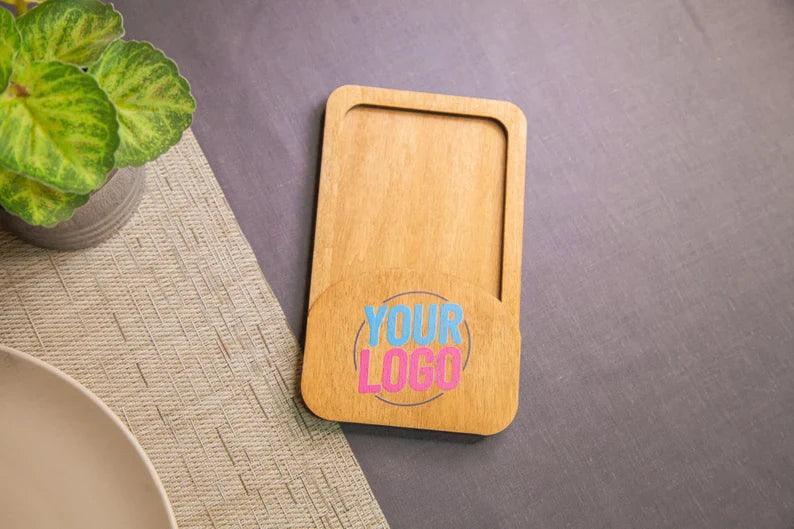
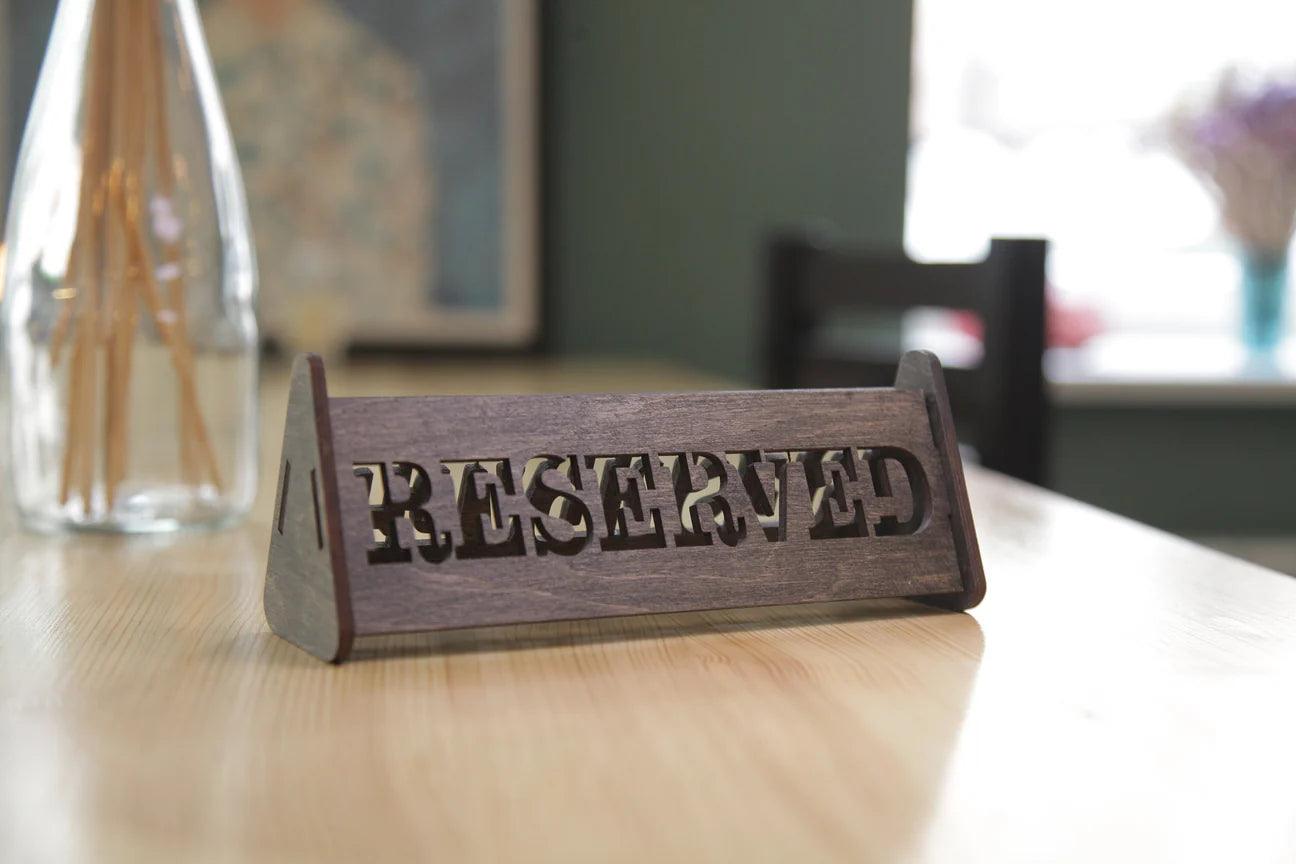
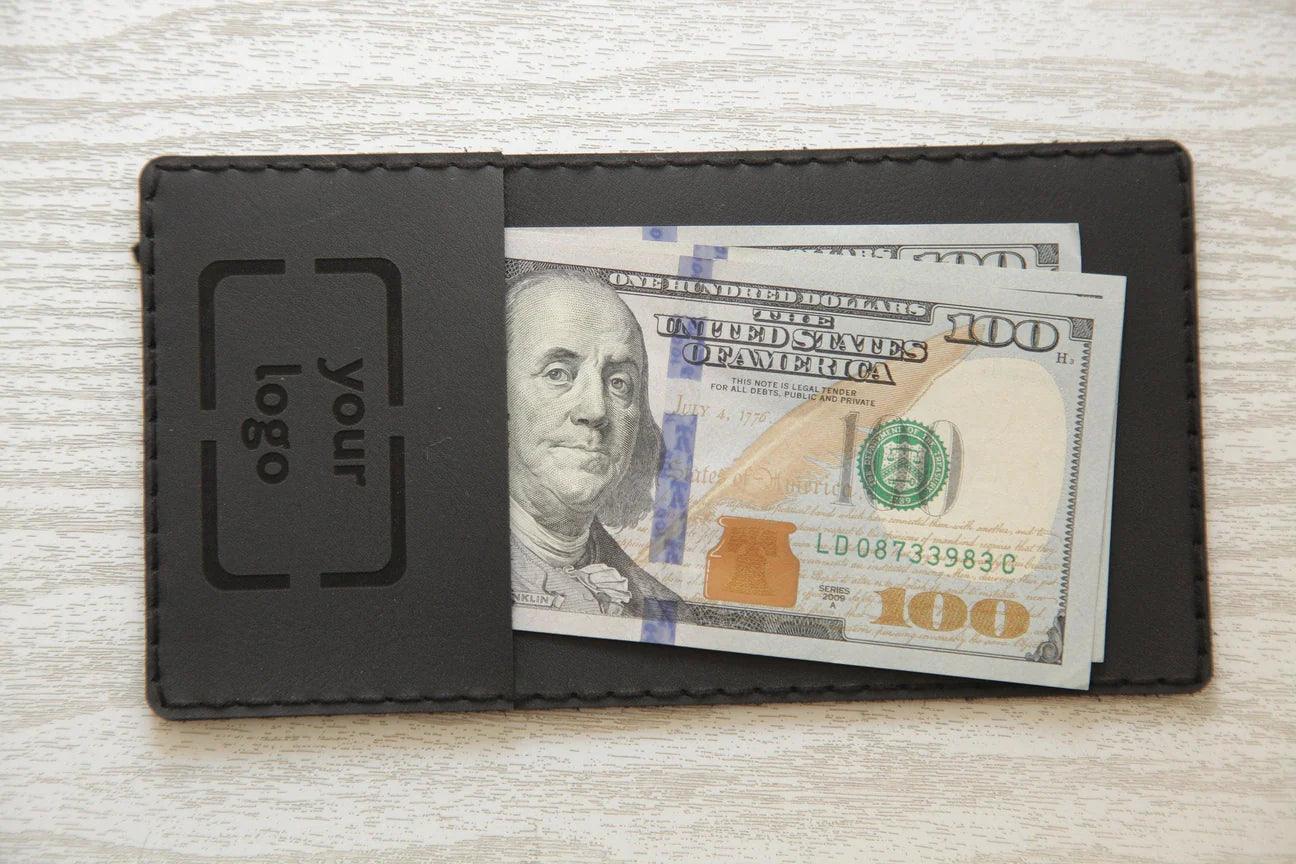
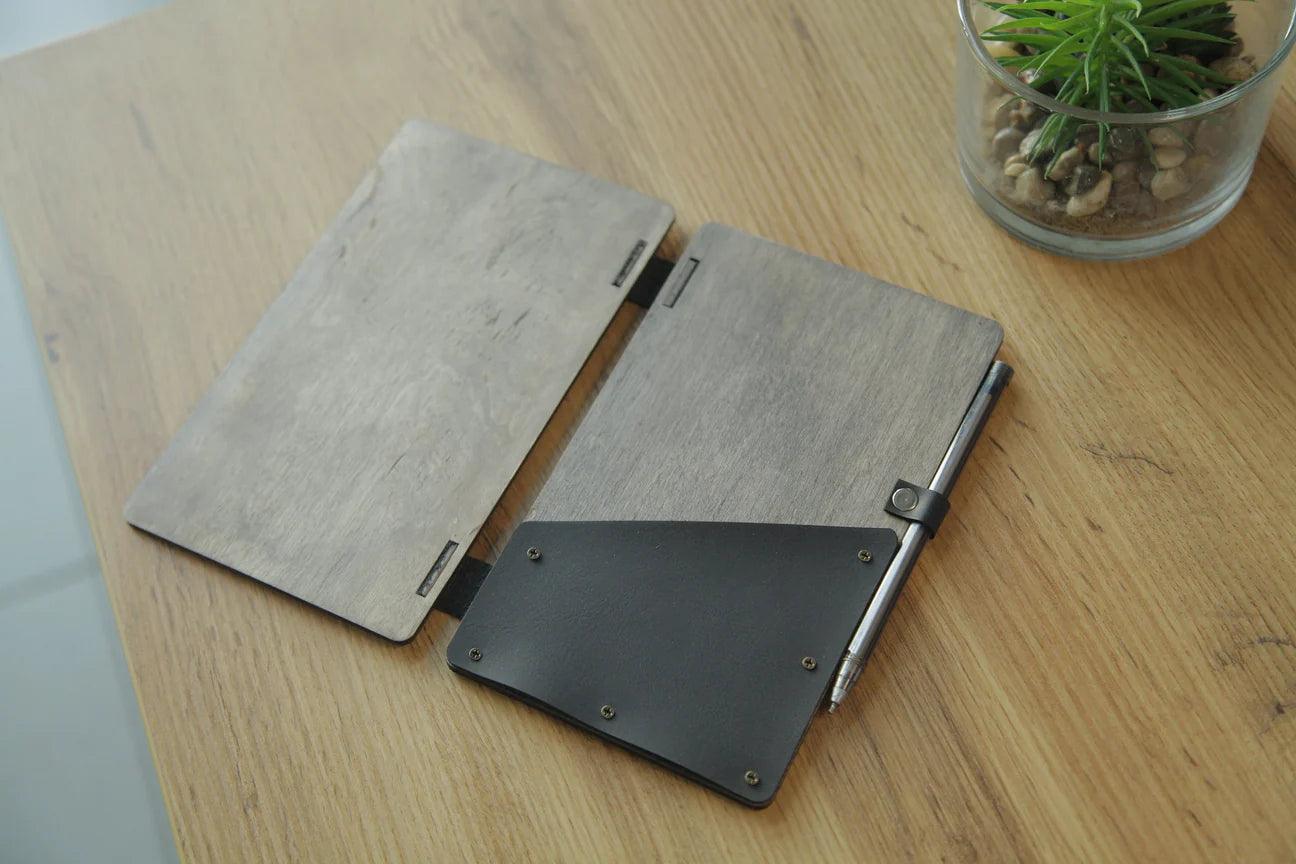
At KyivWorkshop, we offer creative menu covers that can be tailored to your logo, branding, and interior style.
How to create a restaurant menu: step-by-step process

Designing a successful menu requires structure and planning.
1. Plan your menu
Before writing a single description or opening a design tool, you need a solid foundation.
-
Define Concept: Determine your restaurant's style (casual, fine dining, specific cuisine)
-
Select Dishes: Choose a limited, targeted number of items (around 20-30 total) that fit your concept and kitchen capabilities.
-
Source Suppliers: Identify reliable suppliers for your ingredients.
-
Cost & Price: Calculate food costs for each item and set prices strategically to ensure profitability.
2. Structure & write content
Once the dishes are selected, you need to organize them clearly.
-
Categorize: Organize dishes logically (e.g., Starters, Mains, Desserts, Drinks) or by course for upscale places.
-
Write Descriptions: Use enticing, clear descriptions, highlighting key ingredients or unique aspects.
-
Add Details: Include dietary symbols (V, GF) and allergen info.
-
Determine Tone: Match language to your brand (e.g., playful, elegant).
3. Design your menu
Content is essential, but design determines how easily guests interact with it.
-
Choose a Tool: Use platforms like Canva or Adobe Express for templates or design software.
-
Select Layout: Keep it clean and easy to navigate; avoid clutter.
-
Color & Font: Use brand colors and ensure fonts are readable, even from a distance.
-
Add Visuals: Incorporate your logo and high-quality food photos if appropriate.
-
Highlight Items: Use boxes or special symbols to draw attention to high-profit or featured items.
4. Finalize & print
Before presenting the menu to guests, complete a final quality check.
-
Proofread: Check for any typos or errors.
-
Test: Get feedback from staff and print mockups to check readability.
-
Choose Format: Decide on print (PDF for printing) or digital (QR codes, web menu).
-
Print: Select durable paper/lamination for physical menus.
Main sections of a restaurant menu

A restaurant menu works best when it is organized into clear, familiar sections. Logical structure helps guests quickly understand what you offer and makes ordering simple and comfortable. Even the most creative menu should follow a predictable flow so customers can move naturally from drinks and starters to main dishes and desserts. Below are the core sections that most successful restaurant menus include.
Appetizers and Starters
The appetizer section is usually the first category guests see after beverages. It introduces lighter dishes designed to begin the meal and stimulate appetite. Starters often include small plates, soups, salads, or shareable items. This section sets the tone for the dining experience and can be a strong driver of additional sales.
Soups and Salads
Many menus separate soups and salads into their own category, especially in casual and family-style restaurants. These dishes appeal to health-conscious guests and provide lighter meal options. Clear descriptions and portion sizes are important here, as soups and salads can be served as starters or as full main dishes.
Main Courses
The main course section is the heart of any restaurant menu. It includes the signature dishes that define your concept, such as steaks, pastas, seafood, or regional specialties. This category should be carefully curated to showcase your strongest items and represent the identity of your restaurant. Balanced variety without overcrowding is key.
Side Dishes
Side dishes complement main courses and allow guests to customize their meals. Common examples include vegetables, rice, potatoes, or sauces. Although smaller in size, this section can be highly profitable and helps increase the overall check value. Keep the list focused and easy to combine with mains.
Desserts
Desserts provide a sweet ending to the meal and are often high-margin items. This section may include cakes, pastries, ice cream, or specialty treats created by the chef. A well-presented dessert menu encourages impulse orders and gives guests a final positive impression before they leave.
Beverages
The beverage section typically includes soft drinks, juices, coffee, tea, cocktails, wine, and beer. Drinks are often placed at the beginning or end of the menu, depending on the restaurant style. Beverages play a major role in profitability, so this section should be clear, attractive, and easy to browse.
Specials and Seasonal Items
Many restaurants add a dedicated section for daily specials or seasonal dishes. This area allows flexibility and keeps the menu fresh without requiring full redesigns. Specials can highlight new ingredients, limited-time offers, or chef creations, giving returning guests a reason to come back.
Top menu formats

The format of a restaurant menu determines how guests interact with it and how information is presented. Even the best-designed menu can fail if the format does not match the restaurant concept or practical needs. Choosing the right format affects readability, durability, update costs, and overall guest experience. Below are the most popular menu formats used in modern restaurants.
Single-Page Menus
Single-page menus are simple, compact, and easy to handle. They work well for cafés, fast-casual restaurants, bars, and establishments with a focused selection of dishes. A one-page layout forces owners to keep the menu concise, which often leads to better organization and faster decision-making for guests. This format is also inexpensive to print and easy to update when prices or items change.
Bi-Fold and Tri-Fold Menus
Bi-fold and tri-fold menus provide more space while still remaining comfortable to use at the table. These formats are ideal for restaurants that need to present several categories such as starters, mains, desserts, and drinks. Folding menus allow clear separation of sections without overwhelming the reader. They are a practical middle ground between minimal single-page menus and larger menu books.
Multi-Page Menu Books
Menu books are commonly used in fine dining restaurants, hotels, and venues with extensive food and drink selections. This format offers the most space for detailed descriptions, wine lists, and seasonal specials. Multi-page menus feel premium and professional, especially when paired with high-quality covers and materials. They are perfect for restaurants that want to create a more formal and elegant dining experience.
Table Tents and Mini Menus
Table tents and small stand-up menus are compact formats designed to highlight specific items. They are often used to promote desserts, cocktails, lunch specials, or limited-time offers. While they usually do not replace the main menu, they serve as effective marketing tools that encourage impulse orders and draw attention to high-profit items.
Chalkboard and Wall Menus
Chalkboard or wall-mounted menus are popular in cafés, bakeries, food trucks, and casual dining spaces. This format creates a relaxed and creative atmosphere while allowing quick updates to prices and daily specials. Wall menus are especially useful for restaurants with frequently changing offerings or limited counter service environments.
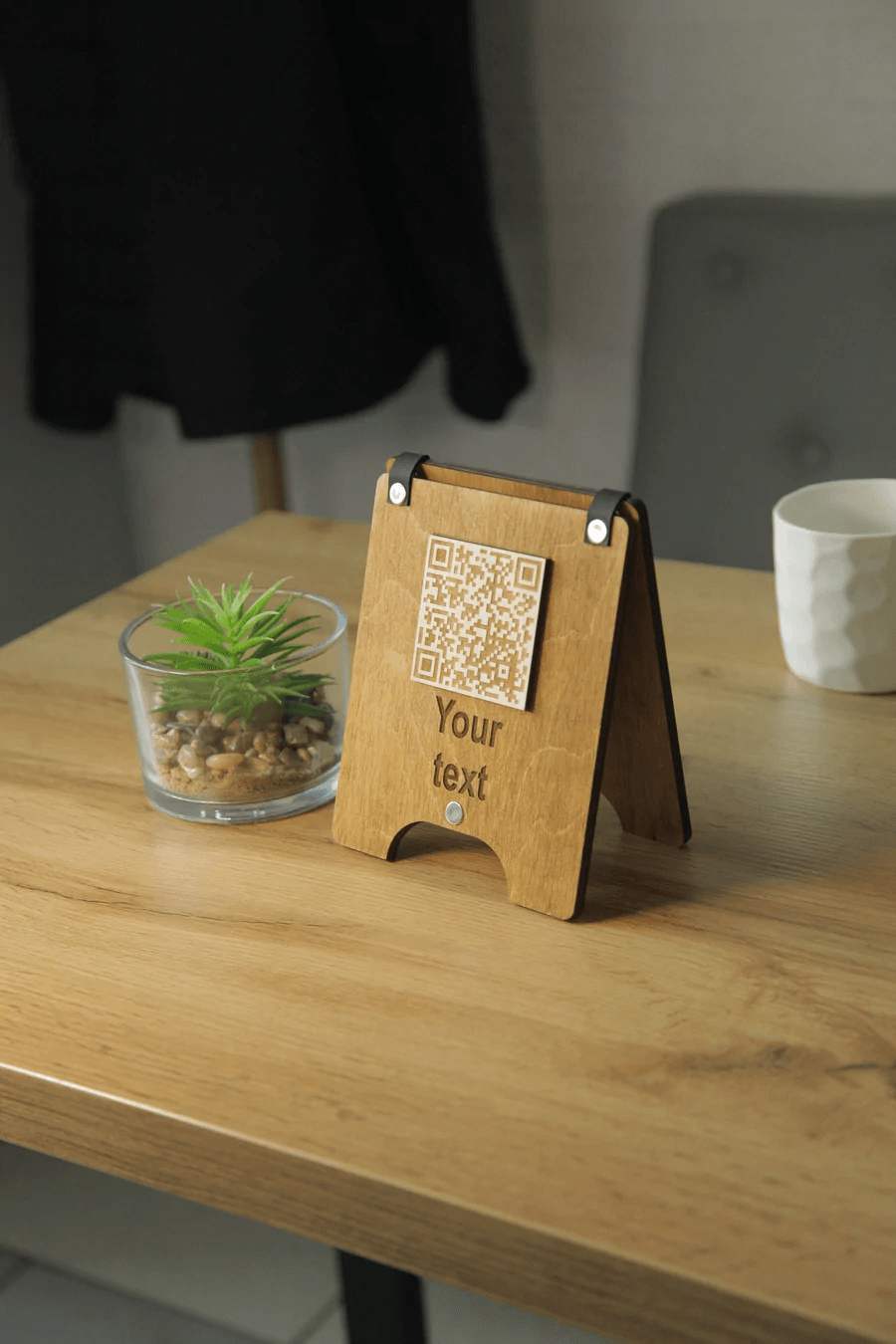
QR Code and Digital Menus
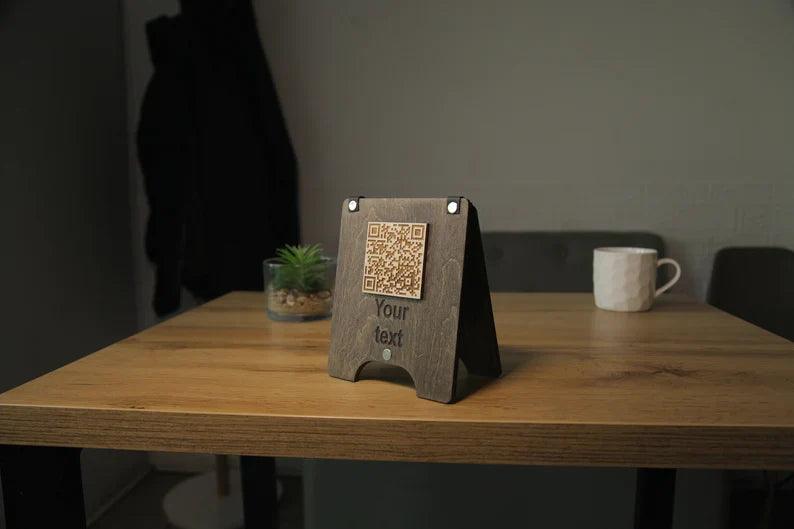
Digital menus accessed via QR codes have become a standard option in many restaurants. They are easy to update, cost-effective, and accessible directly from a guest’s smartphone. Digital formats allow restaurants to add photos, detailed descriptions, and even online ordering features. They are ideal for modern, tech-friendly venues and for reducing printing costs.
Tablet and Interactive Menus
Some restaurants use tablets or interactive screens as their primary menu format. These systems can display images, suggest pairings, and allow guests to place orders directly. Interactive menus are especially useful in fast-casual chains, hotels, and high-tech dining concepts where personalization and efficiency are priorities.
Combination Formats
Many successful restaurants use a combination of formats rather than relying on just one. For example, a venue may offer printed menus at the table, a QR code for online access, and a chalkboard for daily specials. Combining formats gives guests flexibility and ensures the menu remains practical in different situations.
Menu pricing techniques

Pricing a restaurant menu is both an art and a science. The right pricing strategy helps you stay profitable while still feeling fair and attractive to guests. Smart menu pricing is not just about covering food costs. It is about guiding customer choices, increasing average check size, and presenting value in a way that feels natural. Below are the most effective pricing techniques used in successful restaurants.
Cost-Based Pricing
Cost-based pricing is the foundation of every profitable menu. Each dish should be priced according to its food cost, labor, and overhead expenses. Most restaurants aim for a food cost percentage between 25 and 35 percent. By calculating the true cost of every ingredient and setting prices accordingly, you ensure that popular dishes remain profitable and that the business stays financially stable.
Psychological Pricing
Psychological pricing influences how guests perceive value. Prices such as 9.95 or 14.90 often feel cheaper than rounded numbers like 10 or 15, even though the difference is small. Another common approach is removing currency symbols from menus, which makes prices feel less prominent. These small psychological adjustments can subtly encourage guests to spend more without feeling pressured.
Price Anchoring
Price anchoring is a technique that uses higher-priced items to make other options seem more affordable. When a menu includes a premium steak or luxury seafood dish at a high price point, mid-range items automatically look like better value. Even if only a few guests order the most expensive dish, its presence helps increase sales of the rest of the menu.
Decoy Pricing
Decoy pricing involves placing a strategically priced item to influence customer decisions. For example, offering a small dish for 10 dollars, a medium for 14 dollars, and a large for 15 dollars makes the large portion feel like the obvious best deal. The middle option acts as a decoy that pushes guests toward the higher-priced choice, increasing revenue.
Bundling and Combo Offers
Bundling is a simple way to raise average order value. Meal deals, lunch sets, or drink-and-dessert combinations encourage guests to buy more than they originally planned. By offering a small discount for a package, restaurants increase total sales while still protecting profit margins. Combos also simplify decisions for customers who prefer clear, pre-built options.
Tiered Pricing
Tiered pricing organizes dishes into clear low, medium, and high price levels. This structure helps appeal to different budgets and dining occasions. A well-balanced menu includes affordable comfort options, premium signature dishes, and a few luxury items. Tiered pricing creates choice while guiding most guests toward profitable mid-range selections.
Highlighting High-Profit Items
Menu engineering uses design to promote the most profitable dishes. Restaurants often highlight these items with boxes, icons, or chef recommendations. When high-margin dishes are placed in the most visible areas of the menu, they naturally receive more attention and more orders. This technique increases profit without changing prices at all.
Dynamic and Seasonal Pricing
Some restaurants adjust prices based on seasonality, ingredient availability, or demand. Seasonal pricing allows you to charge more for rare or premium ingredients and reduce prices when costs drop. Updating menus regularly keeps pricing accurate and prevents losses caused by fluctuating supplier costs.
How to write compelling menu descriptions

Menu descriptions are one of the most powerful sales tools a restaurant has. The way a dish is described can strongly influence what guests choose to order and how much they are willing to pay. Good descriptions make food sound appealing, build appetite, and communicate value. Writing effective menu text requires clarity, creativity, and a clear understanding of your audience.
Focus on Flavor and Experience
The best menu descriptions help guests imagine the taste and texture of a dish. Instead of simply listing ingredients, describe how the food feels and what makes it special. Words like crispy, tender, smoky, creamy, or freshly baked create a vivid picture in the customer’s mind. Descriptions should highlight the sensory experience, not just the components on the plate.
Highlight Premium Ingredients
Guests are more willing to pay higher prices when they understand what makes a dish valuable. Mentioning high-quality or unique ingredients adds perceived value. For example, saying “wild-caught salmon” or “handmade pasta with imported Parmesan” sounds more attractive than generic wording. Emphasizing freshness, local sourcing, or chef craftsmanship makes dishes feel more exclusive.
Keep Descriptions Clear and Concise
While creativity is important, menu descriptions should never be long or complicated. Most guests only spend a few seconds reading each item. One or two short sentences are usually enough to explain the dish and spark interest. Avoid unnecessary adjectives and focus on the most important details that help customers make a decision quickly.
Match the Tone to Your Restaurant Style
The language on your menu should reflect your restaurant’s personality. A fine dining menu may use elegant and refined wording, while a casual café can use a more relaxed and playful tone. Consistency is key. When the descriptions match the atmosphere of the restaurant, the entire dining experience feels more natural and authentic.
Avoid Clichés and Overused Phrases
Phrases like “delicious,” “mouthwatering,” or “to die for” are common on menus, but they add little real value. Instead of relying on generic compliments, focus on specific qualities of the dish. Guests trust concrete details more than exaggerated claims. Honest, descriptive language always sounds more professional and convincing.
Use Simple Structure and Format
Good descriptions follow a predictable structure that is easy to scan. Start with the main ingredient, then add the cooking method, key flavors, and important extras. For example: “Grilled chicken breast with garlic butter, roasted vegetables, and lemon herb sauce.” A consistent format across the menu improves readability and professionalism.
Include Dietary and Practical Information
Many guests look for practical details before choosing a dish. Adding information such as vegetarian, gluten-free, spicy level, or allergens makes ordering easier and safer. Clear labeling builds trust and reduces questions for staff. These small additions improve the overall guest experience.
Test and Improve Descriptions
Menu writing should not be a one-time task. Pay attention to what guests order most often and how they respond to different descriptions. If a dish is not selling well, rewriting its description can sometimes make a big difference. Regular updates keep the menu fresh and aligned with customer preferences.
Menu design and layout principles
A restaurant menu is more than a list of dishes. It is a strategic sales tool that guides customer decisions and shapes how people experience your brand. Effective menus combine smart layout, readable typography, and consistent branding. When design and content work together, the menu becomes clear, inviting, and profitable. Here is how to achieve that balance.
Visual Hierarchy and Readability

Visual hierarchy is the way information is arranged so the eye naturally moves from the most important elements to the details. In a menu, this means using clear section headings, logical categories, and well-spaced items. Starters, mains, and desserts should be easy to locate without effort. Prices and descriptions must be positioned consistently so guests can scan the menu quickly.
Readability is equally important. Fonts should be large enough to read comfortably in restaurant lighting, and text should never feel crowded. Short descriptions, generous white space, and simple layouts reduce confusion and help customers make faster decisions. A readable menu creates a relaxed dining experience.
Color, Typography, and Branding

Color and typography communicate your restaurant’s personality before a guest even reads a single dish name. The colors on your menu should match your interior design and overall brand identity. For example, a rustic café may use warm earthy tones, while a fine dining restaurant may prefer elegant black and gold. Consistent color choices make the menu feel professional and intentional.
Typography should be attractive but practical. Use one or two main fonts and avoid overly decorative styles that are hard to read. Headings can be more expressive, while dish descriptions should remain clean and simple. When colors, fonts, and layout reflect your brand, the menu becomes a natural extension of your restaurant.
The Power of Photos and Illustrations

Images can be a powerful way to increase appetite and highlight signature dishes. High-quality food photography helps guests visualize what they will receive and can boost sales of specific items. Photos are especially effective in casual restaurants, cafés, and dessert menus where visual appeal plays a big role.
However, photos must be used carefully. Too many images can make a menu feel cluttered or cheap, and low-quality photos can harm your reputation. If you choose to include visuals, keep them limited, professional, and consistent in style. Thoughtful illustrations or small icons can also add personality without overwhelming the design.
Best menu cover materials

The material of your menu cover sets the first impression long before a guest reads a single dish. A good cover protects the menu, reinforces your brand, and enhances the dining experience. Choosing the right material depends on your restaurant style, budget, and how often the menus will be handled. Below are some of the best materials used for menu covers in modern restaurants.
Eco-Friendly Materials
Sustainable menu covers made from recycled or biodegradable materials appeal to environmentally conscious guests. Options include recycled cardboard with protective finishes, bamboo, cork, or vegan leather alternatives. Eco-friendly materials align well with farm-to-table restaurants, organic cafés, and sustainable dining concepts. Choosing sustainable options reinforces your values while offering durability and style.
Wood
Wood menu covers add warmth, character, and a distinctive look to your presentation. They are durable and can be fully customized with engraving, cutouts, or branding. Wooden covers are particularly well suited to rustic, modern, or concept-driven restaurants where design is part of the experience. Finished properly, wood is strong enough to withstand heavy use and still look attractive.
Leather
Leather menu covers convey luxury, durability, and timeless elegance. Real leather develops character over time and feels substantial in guests’ hands. This material works especially well in fine dining restaurants, upscale bars, and hotels where quality and presentation matter. Although premium in price, leather covers can last for years with proper care.
Faux Leather
Faux leather offers many of the benefits of real leather at a lower cost. It is easier to maintain, resistant to spills and stains, and available in a wide range of colors and textures. Faux leather is a popular choice for mid-range restaurants, lounges, and bistros that want a refined look without premium pricing. Its versatility makes it one of the most widely used menu cover materials.
Cloth and Fabric
Cloth-covered menu books bring a soft, tactile quality that sets them apart from traditional options. Linen, canvas, and textured fabrics add a handcrafted feel that complements boutique cafés, tea rooms, and casual dining spaces. Fabrics can be paired with embossing or stitched logos to enhance branding. While fabric covers require more gentle handling and occasional cleaning, they create a memorable first impression.
Acrylic
Acrylic menu covers are sleek, modern, and extremely durable. Clear acrylic shows the printed menu inside, protecting it from spills and stains while maintaining a contemporary aesthetic. This material is ideal for minimalist, modern restaurants or establishments with high guest turnover. Acrylic covers are easy to wipe clean and resistant to cracking or bending.
Metal
Metal menu covers bring a bold, industrial edge to your presentation. Materials like brushed aluminum, steel, or anodized metals are highly durable and ideal for restaurants with a strong modern or industrial theme. Metal covers are long-lasting and easy to clean, though they can be heavier and more expensive than other options. Their unique look makes menus feel substantial and memorable.
Combination Covers
Some restaurants combine materials to get the best of multiple worlds. For example, wood panels with leather spines, fabric fronts with metal corners, or acrylic covers with custom inserts. Combination designs allow for stronger branding and unique aesthetic flair. They are especially effective for themed restaurants and venues looking to stand out visually.
Custom menu covers from KyivWorkshop

At KyivWorkshop, we create unique menu covers with sustainability in mind.
With many customization options for size, materials, and branding, they turn the menu into a memorable part of the dining experience.
We invite you to explore our collection of customizable menu covers to find the perfect cover for your menu.
FAQs
How to create a menu?
To create a menu, begin by listing all potential menu items and grouping them into logical categories. Think about your target customers and what style of food will attract them most. Use simple menu templates to organize the structure before moving into detailed menu design. A clear and focused menu is one of the first things that contributes to a successful restaurant.
How to make a restaurant menu with ChatGPT?
You can make a restaurant menu with ChatGPT by using it as an intelligent menu maker that helps generate ideas and descriptions. Start creating by describing your cuisine, price range, and style so the tool understands your needs. ChatGPT can draft text for each particular dish and help refine wording to sound more tempting. When the content is ready, you can export it and place it directly into your final design.
What are the 7 parts of a menu?
The seven traditional parts of a menu include appetizers, soups, salads, main courses, sides, desserts, and beverages. These sections organize menu offerings in the natural order that people prefer to eat. Clear divisions between parts help guests quickly understand what is available. Proper structure also supports smooth service during busy hours.
What is a basic rule when creating a restaurant menu?
A basic rule is to keep the menu simple, organized, and aligned with your restaurant concept. Every item should reflect your core brand and the level of hospitality you want to provide. Avoid adding too many dishes that confuse guests or complicate kitchen operations. A focused menu is a key factor in long-term restaurant success.
Can ChatGPT create a menu?
Yes, ChatGPT can create a menu by helping write descriptions, organize sections, and suggest creative ideas. It works well as a tool to develop text that fits your desired ambiance and tone. You can combine the generated content with your own photos to personalize the final result. The system is especially helpful for building an attractive menu online quickly.
What is the most profitable menu item?
The most profitable menu item is usually one that has low cost and high perceived value. Beverages and desserts are common examples that many restaurants rely on for strong margins. Highlighting these items in visible areas can help encourage guests to order them. Profitability improves when certain dishes are promoted strategically.
What is a menu layout?
A menu layout is the visual arrangement of sections, prices, and descriptions on the page. Good layout ensures that information is easy to read and that the overall presentation makes sense to guests. It also includes choices about fonts, spacing, and backgrounds. Effective layout is an essential part of good menu design.
How to layout a restaurant menu?
To layout a restaurant menu, begin by choosing the right custom size that fits your tables and concept. Place the most important categories in the areas where the eye naturally looks first. Use graphics carefully so they support the content instead of distracting from it. The final result should feel balanced and easy to navigate.
How to create a food menu list?
To create a food menu list, write down all realistic dishes your kitchen can prepare consistently. Then narrow the options to a focused selection that fits your audience and service style. Organize the final list into clear groups so guests can quickly find what they want to eat. A well-planned list improves efficiency and guest satisfaction.
How to make your own restaurant menu?
You can make your own restaurant menu by collecting recipes, prices, and descriptions into a structured document. Use simple tools that allow you to drop text into ready-made layouts. Make sure the final design reflects your unique personality and concept. Even a basic approach can produce professional results with careful planning.
How to plan a menu for a restaurant?
Planning a menu requires understanding your audience, kitchen abilities, and cost structure. Think about what dishes will be most appealing and realistic for daily preparation. Build the menu around ingredients that are reliable and easy to source. Good planning is a major element behind every profitable and successful restaurant.
How to design a menu layout?
To design a menu layout, start by choosing clean fonts and clear visual hierarchy. Arrange categories so the flow feels natural from start to finish. Avoid overcrowding the page with too much text or decoration. A cohesive design makes ordering simple and enjoyable for guests.
How to make a menu book for a restaurant?
To make a menu book, first prepare all pages in a consistent style and format. Print them on durable materials and assemble them into protective covers. Many restaurants choose elegant bindings that match the interior theme. A well-made book adds professionalism and improves the overall dining experience.
How much information should be included in a restaurant menu?
A restaurant menu should include only the information necessary to help guests choose confidently. Dish names, short descriptions, prices, and basic dietary notes are usually enough. Extra details should be kept minimal so the page does not feel crowded. Clear and simple content is always more effective than too much data.
What are the basic requirements to design a menu of a restaurant?
The basic requirements are clarity, organization, accurate pricing, and easy readability. The menu must reflect the restaurant identity and appeal directly to the right audience. Practical details such as format, durability, and usability are also important. When these elements come together, the result supports both sales and guest satisfaction.