
Hotel Restaurant Menu: How to Create One That Works for Every Daypart
Running food and beverage at a hotel is fundamentally different from running a standalone restaurant. Your guests aren't choosing to be there the way a diner selects a neighborhood spot — they're already at your property, which means you have a captive audience with a wide range of needs, moods, and schedules. A hotel restaurant menu that doesn't account for that diversity will frustrate guests and create unnecessary pressure on your kitchen.
This guide walks through how to structure a hotel F&B menu that covers every daypart cleanly, aligns with the property's positioning, and actually works in operation.
The Core Challenge: Serving Different Guests at Different Times
A downtown business hotel at 7am is serving bleary-eyed guests who have a conference call in an hour. At 12:30pm, it's serving a mix of in-house guests and local business lunches. At 8pm, it might be couples who chose to eat in-house rather than venture out. And throughout the day, room service is running alongside it all.
Each of those contexts requires different food, different pacing, and different physical presentation. The menu itself — what's written on it and how it's bound and presented — is the primary communication tool for managing guest expectations across all of them.
Breakfast: Speed, Completeness, and Scrambled Eggs
Breakfast is the highest-stakes daypart in a hotel restaurant. It's the meal most likely to affect a guest's review, because it's often their first experience of the day and sets the tone for everything that follows.
The breakfast menu needs to be fast to navigate and fast to execute. Guests are often time-constrained and don't want to think hard. Structure it by category — continental items, cooked options, health options, beverages, and a morning drink selection — and make portion size and timing expectations clear. If there's a buffet component, the printed menu should indicate what's on the buffet versus what's ordered table service, and include a food-safety note for raw or undercooked eggs where relevant.
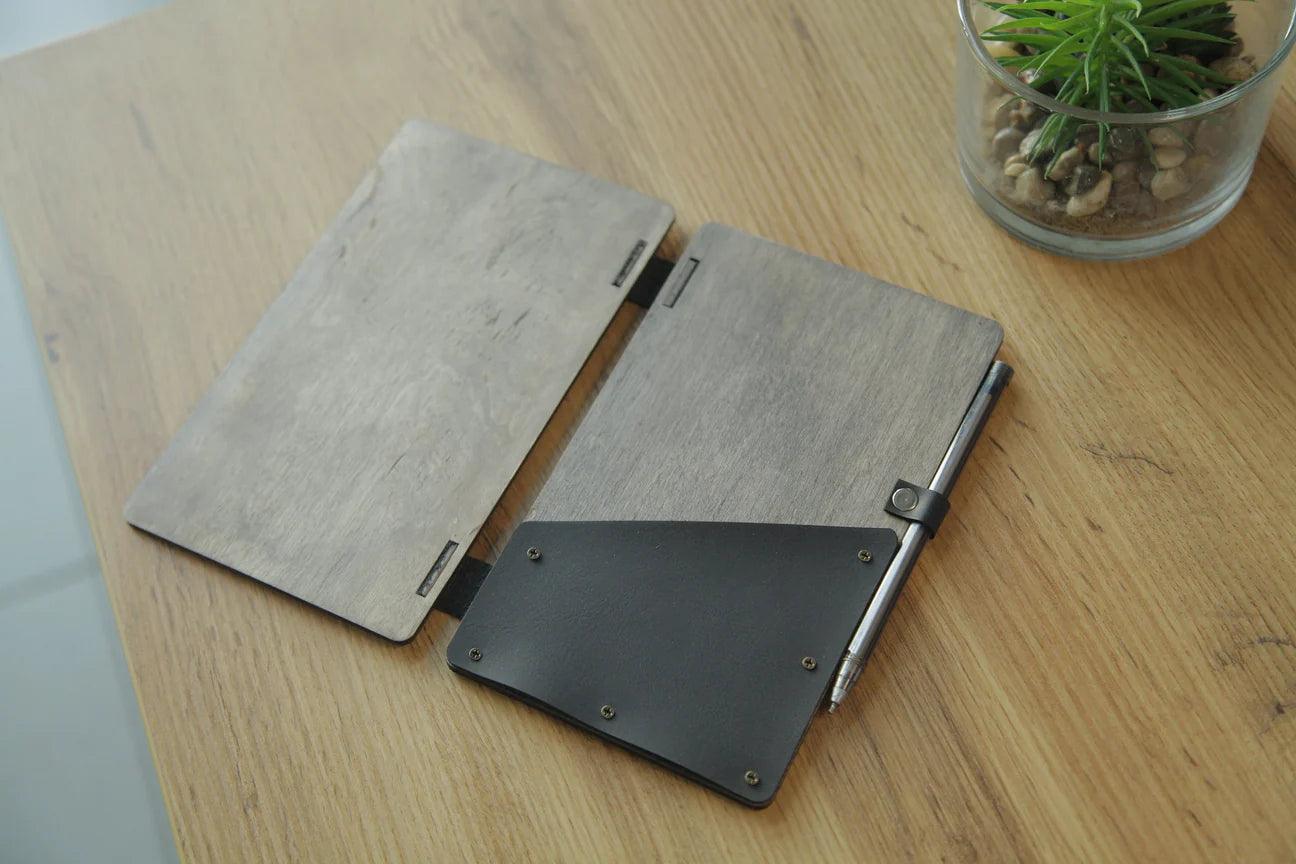
The physical menu at breakfast can be simpler than dinner. A laminated single-page card or a sturdy printed insert in a clean holder works well. It needs to withstand frequent handling and quick wipe-downs between covers.
Lunch: Flexible for Two Very Different Audiences
Hotel lunch service typically splits between in-house guests with nowhere specific to be, and external visitors — local business people, meeting attendees, day guests. These two groups have different time tolerances and different willingness to spend, and lunch can also be a practical place for locals to stop in for convenience.
A well-structured hotel lunch menu addresses both without confusion. Clear section dividers help: a Quick Lunch or Express section signals faster, lighter options for guests who want to grab a bite; a main section allows for more leisurely dining. Dishes that work as both starters and mains give flexibility without overcomplicating the kitchen.
Pricing visibility matters more at lunch than at dinner. Business guests submitting expense reports and leisure guests checking their budget both appreciate menus where prices are easy to find. Don't bury them or use pricing formats that require mental math.
Dinner: Where Atmosphere and Positioning Are Earned
Hotel dinner menus can afford to slow down so guests can enjoy the experience. This is the daypart where the restaurant has the most opportunity to compete with standalone restaurants rather than simply serve as a convenience. The question to ask: why would a guest choose to eat here tonight instead of walking two blocks to a local spot?
The answer usually involves one of three things, sometimes alongside expertly crafted cocktails: quality of the food, quality of the experience, or sheer convenience. Your menu design should reinforce whichever of those is your answer. A high-quality fine dining experience needs a menu that signals it — heavier stock, elegant binding, considered typography. A convenience play needs a menu that's easy to read in low light and doesn't require explanation.
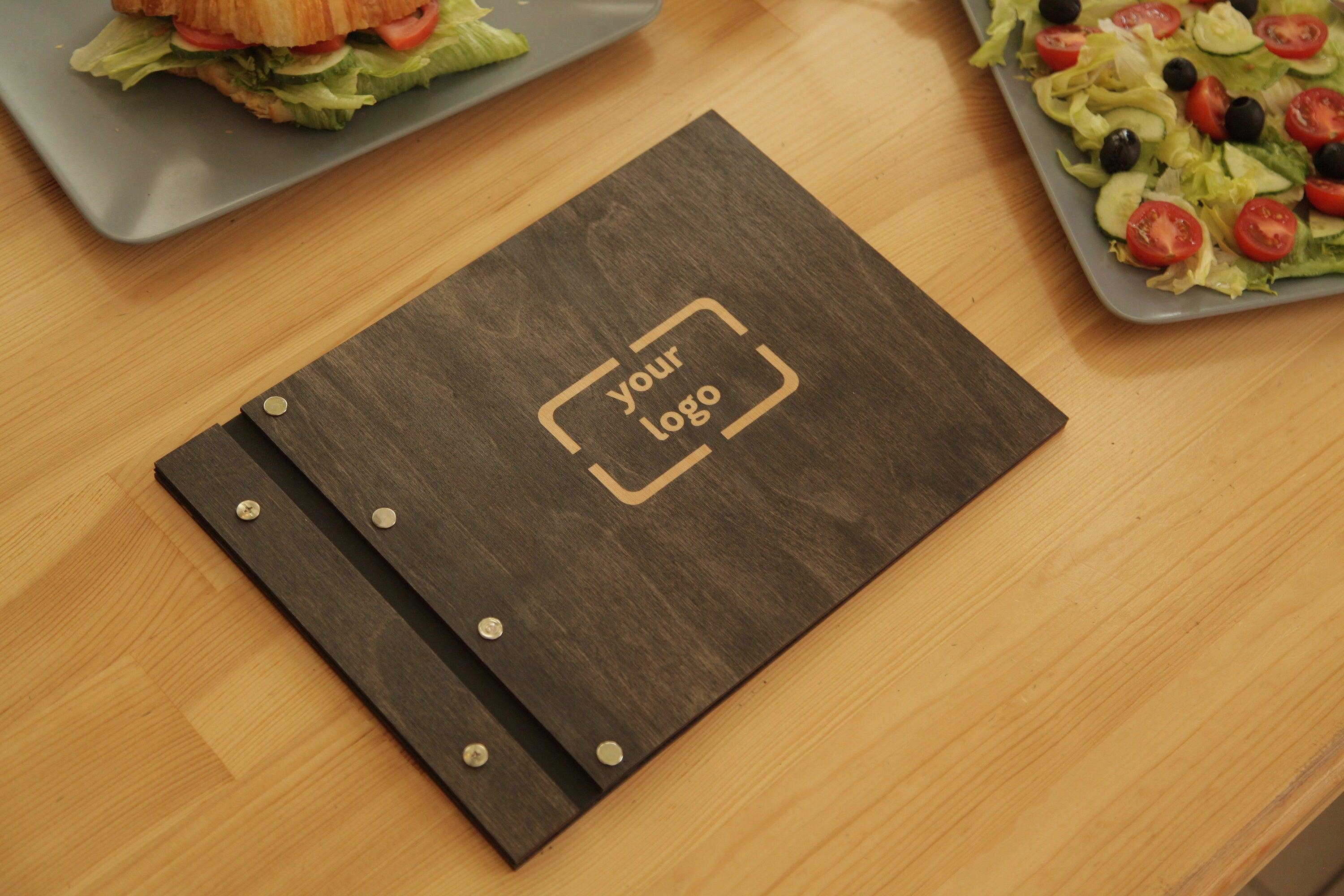
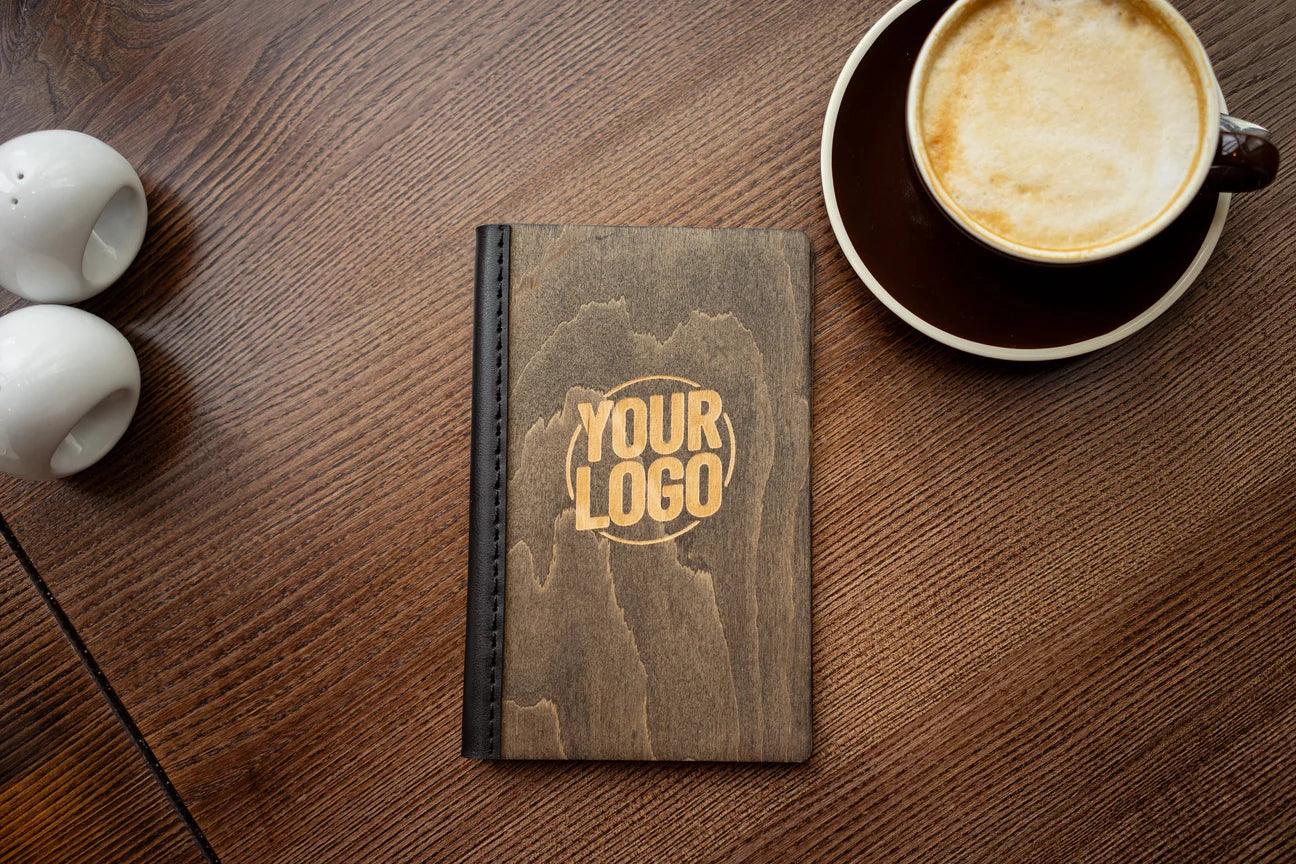
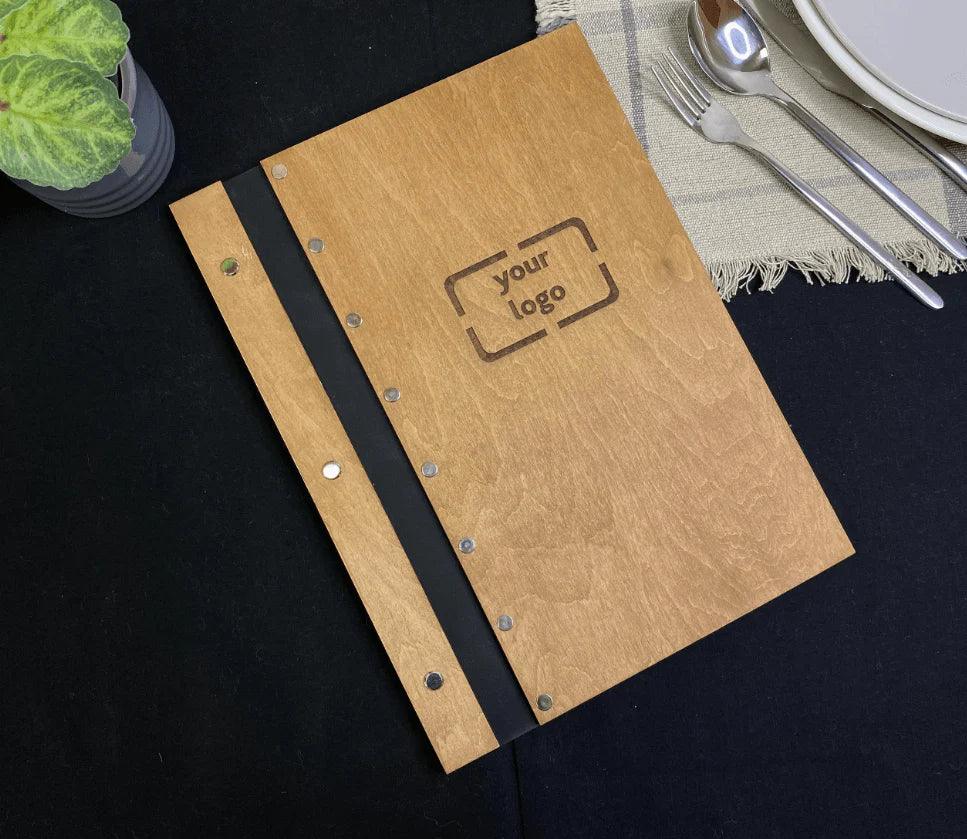
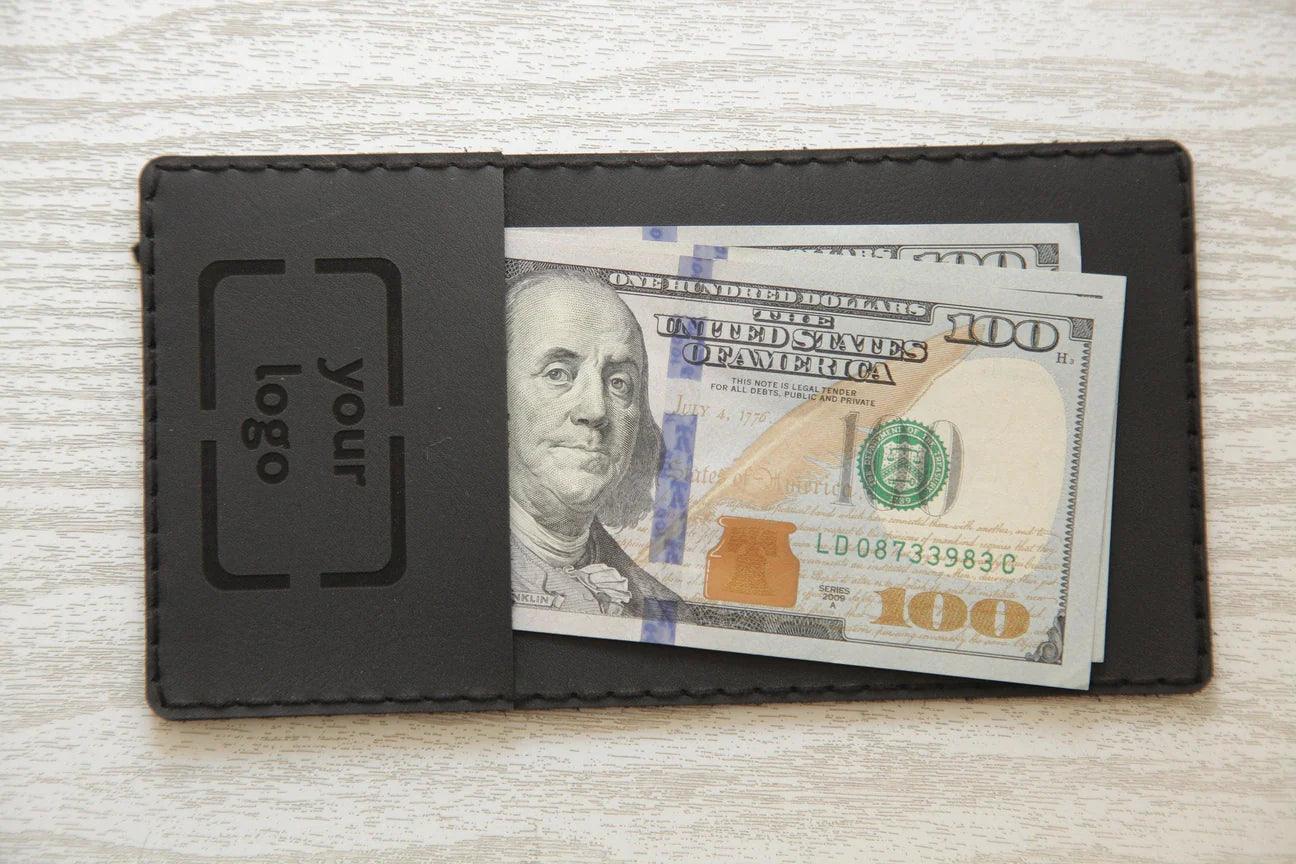
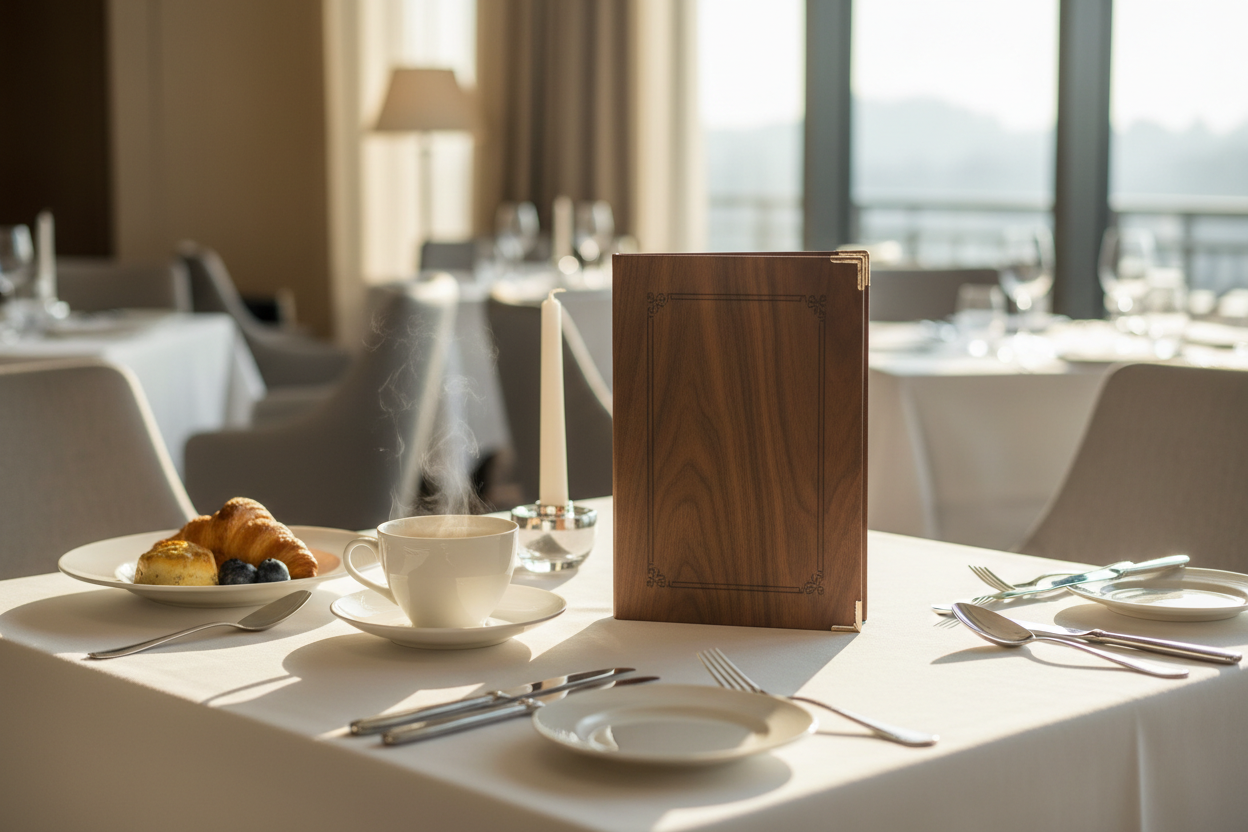
At dinner, the menu cover does the most brand work, because this meal often sits at the heart of the property's evening hospitality. It's the object guests will hold and examine while the dining room does its job around them. The material — wood, leather, a custom sleeve — should match the quality of the experience you're promising, including the atmosphere or view when the outlet has one.
Room Service and Private Dining: The Menu That Has to Sell Itself
Room service menus work without a server to explain them, so they should still feel welcoming during quiet, at-home moments in the room. That shifts significant weight onto the design and language of the menu itself. Dishes need to be described well enough that guests feel confident ordering without clarification. Photos help on room service menus more than on any other format — guests ordering alone in a hotel room at 10pm are more likely to order something familiar-looking.
Room service menus also need to be honest about timing. If a dish takes 40 minutes, say so. Nothing damages the hotel experience more than a guest who expected 20 minutes and waited an hour. Consider structuring the menu around delivery time: items available in under 30 minutes clearly marked versus fuller meals with longer windows.
The physical form matters too. A room service menu is often located in a drawer or on a desk, handled by multiple guests over months. Laminated pages or a sturdy binder with easy-to-clean covers are practical requirements, not optional upgrades.
Aligning Menu Design With Hotel Star Rating
The visual and physical quality of your menus should match the star rating of your property consistently. A 5-star hotel with photocopied menus creates cognitive dissonance. A budget property with over-engineered leather covers wastes budget and confuses expectations.
-
Budget / economy properties: clean, laminated, durable, easy to update
-
Mid-scale / upscale: quality printed inserts in wooden or simple leather holders
-
Luxury / 5-star: custom covers, engraved branding, high-quality materials, consistent with room design
The menu is part of the total guest environment, and it should feel rooted in the property's identity and, where relevant, its history. It should feel like it was made for the same property as the bedding, the bathroom fixtures, and the lobby art.
Operational Details That Matter
Beyond the guest-facing design, a well-run hotel F&B operation depends on menus that are easy to manage. Key practical requirements:
-
Insert systems that allow seasonal updates without replacing the entire cover
-
Enough covers to cover full service capacity plus a 20% buffer for damage
-
Separate covers or clearly divided sections for allergen information — a legal and reputational requirement, not a nice-to-have
-
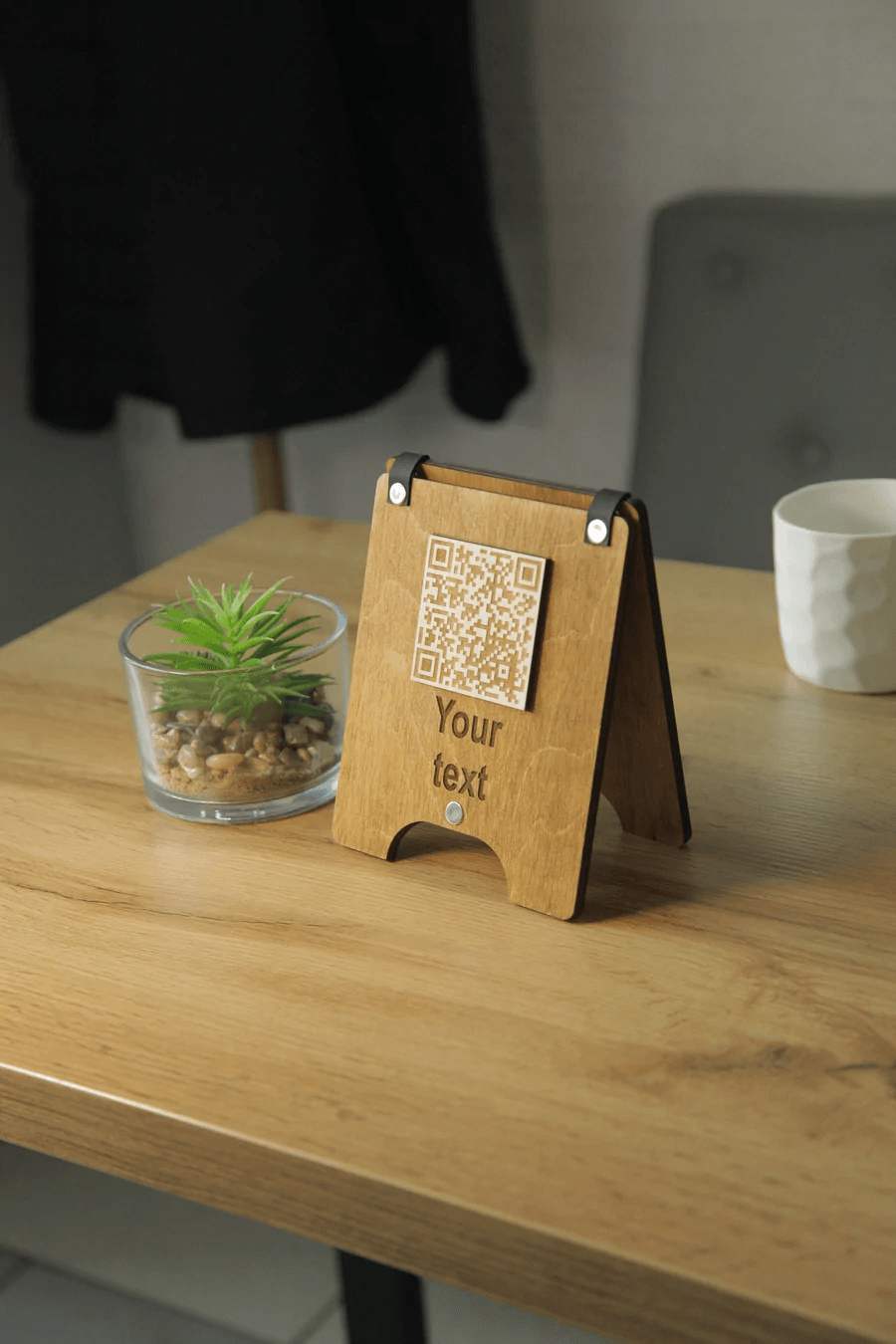
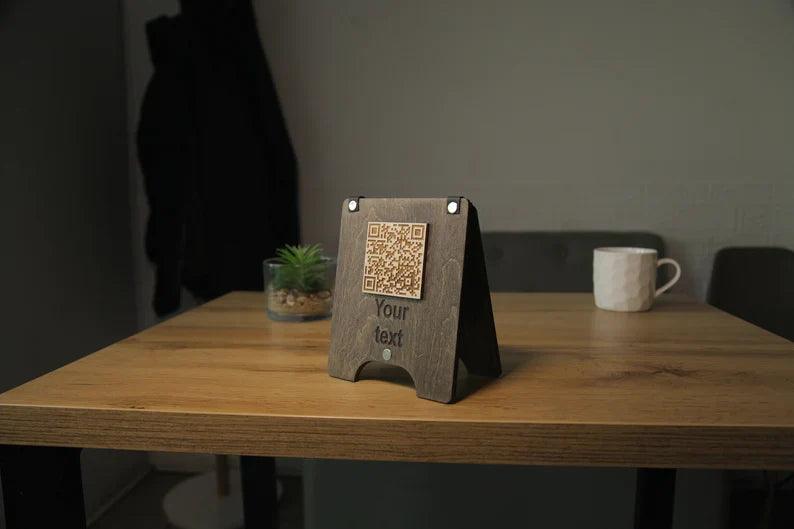
QR code integration for room service, so guests can order digitally from a physical holder that stays in the room and submit private dining requests if offered
Hotels running multiple outlets — a main restaurant, a bar, a pool café — in different parts of the property or steps from key guest areas benefit from visual consistency across all menu systems. Different designs for each venue are fine; the binding style and brand elements should still be recognizably related.
A hotel restaurant menu that works for every daypart isn't just a design exercise — it's an operational tool. The best ones make service faster, set accurate expectations, and remind guests at every interaction why they're glad to be at your property rather than somewhere else.