


Gratuity vs tip: complete guide for 2026
The primary difference is that a tip is a voluntary payment based on service quality, while gratuity (specifically automatic gratuity) is a mandatory service charge added to the bill, usually for large parties. Tips are considered "gifts" by the IRS, while gratuities are often treated as service charges and may be taxed differently.
Both gratuity and tip are extra payments for restaurant service, but they are handled differently in terms of customer choice, restaurant policy, and taxation rules.
-
Voluntary vs. mandatory: A tip is optional and decided by the customer, usually 15-20%. Automatic gratuity is mandatory, typically 15-20% for groups of 6-8 or more.
-
Purpose: Tips reward good service. Automatic gratuity ensures servers are compensated for the extra time/effort required for large groups.
-
Taxation: Tips are generally considered voluntary gifts to the employee. Automatic gratuities are legally treated as service charges
-
Ownership: In some states in the USA, employers may keep a portion of the service charge, but tips are generally the sole property of the employee.
If a gratuity is already included, an additional tip is generally not required, though some diners add extra for exceptional service. If no service charge is included, a 15-20% tip is standard for satisfactory service.
While "gratuity" is often used interchangeably with "tip" in casual conversation, in the restaurant industry, they are distinct, especially concerning mandatory, automatic charges. In this article, we’ll explore all the differences between gratuity and tip, how restaurants apply them, and when customers are expected to pay each one.
Gratuity vs tip: what is the difference?

The main difference between gratuity and tip is that gratuity is a mandatory service charge added to the bill by the restaurant and a tip is a voluntary payment left by the customer.
|
Feature |
Gratuity |
Tip |
|
Type of payment |
Mandatory service charge added by the restaurant |
Voluntary payment decided by the customer |
|
Who decides the amount |
Set by the restaurant policy |
Chosen by the customer |
|
When it is applied |
Often added automatically for large groups (usually 6–8 or more guests) |
Left after service if the customer is satisfied |
|
Typical percentage |
Usually 15–20% of the bill |
Commonly 15–20%, but can vary |
|
Purpose |
Ensures staff are compensated for serving large parties or special events |
Rewards good service and customer satisfaction |
|
How it appears on the bill |
Listed as "gratuity" or "service charge" on the receipt |
Added by the customer on the receipt or left in cash |
|
Ownership |
May be distributed by the restaurant according to its policy |
Usually belongs directly to the server |
What is a gratuity and how does it work?

A gratuity is a service charge added to a restaurant bill to compensate staff for providing service, most commonly applied automatically for large groups or special dining situations.
Automatic service charge
Many restaurants automatically add a gratuity of about 15–20% to the bill when serving large parties, usually groups of six to eight guests or more.
Set by restaurant policy
The gratuity amount and when it applies are determined by the restaurant and are typically explained on the menu or clearly listed on the receipt.
Applied to the final bill
The charge appears directly on the customer’s bill as “gratuity” or “service charge,” meaning the customer does not need to calculate or add it manually.
Supports service staff
Automatic gratuity helps ensure servers are fairly compensated for the extra coordination, time, and attention required when handling large tables.
Distribution of gratuity
Depending on the restaurant’s policy, the gratuity may be shared among servers, kitchen staff, and other team members involved in the service.
Tax and legal treatment
In the United States, automatic gratuities are usually treated as service charges rather than voluntary tips, which affects how restaurants report and distribute the income.
Additional tipping
If gratuity is already included, customers are generally not required to leave an extra tip, though some choose to add one for exceptional service.
What is a tip and how does it work?

A tip is an optional payment given by a customer to reward service staff for good service in restaurants, cafés, and other hospitality settings.
Voluntary payment
A tip is completely optional and the customer decides whether to leave it based on their experience.
Based on service quality
Customers typically leave a tip to reward attentive, friendly, and efficient service during their visit.
Typical percentage
In many restaurants, a common tip ranges from 15–20% of the total bill, although the amount can vary.
Given after service
Tips are usually added after the meal when the bill is paid, either by writing the amount on the receipt or leaving cash.
Direct reward for staff
In most cases, tips go directly to the server, although some restaurants use tip-sharing systems with other staff.
Not automatically added
Unlike gratuity, a tip is not automatically included on the bill unless the restaurant specifically adds a service charge.
Part of restaurant culture
Tipping has become a standard practice in many countries, especially in the United States, where service staff often rely on tips as part of their income.
Does gratuity count as a tip?

Gratuity and tips are not the same even though they are both extra payments related to service. A gratuity, especially an automatic gratuity, is a service charge added by the restaurant, while a tip is a voluntary payment left by the customer.
Automatic gratuity is not technically a tip
In the restaurant industry, automatic gratuity is usually treated as a service charge rather than a traditional tip.
Gratuity is added by the restaurant
Restaurants decide when to apply gratuity, often adding it automatically for large parties, events, or special reservations.
Tips are voluntary
A tip is left at the customer’s discretion and is typically based on the quality of the service received.
Tax treatment may differ
In the United States, tips are generally considered voluntary payments to employees, while automatic gratuities are treated as service charges for tax purposes.
Distribution depends on restaurant policy
Gratuity may be shared among multiple staff members or handled through payroll, while tips are often given directly to servers or through tip-sharing systems.
Rules for tips and gratuities around the world

Tipping and gratuity practices vary significantly between countries, and what is considered polite in one place may be unusual in another. Some regions rely heavily on tipping as part of restaurant workers’ income, while others include service charges directly in menu prices.
United States
In the United States, tipping is a standard part of restaurant culture and is widely expected when dining out. Customers usually leave 15–20% of the total bill as a tip when service is satisfactory. Tips are voluntary payments chosen by the customer and are typically given directly to the server through cash or added to a credit card receipt. Because restaurant workers often rely on tips as part of their income, tipping is considered an important part of dining etiquette.
Many restaurants in the United States also use automatic gratuity, especially for large groups or special events. This gratuity is a service charge automatically added to the bill, often around 15–20% for parties of six to eight or more guests. It appears clearly on the receipt and helps ensure servers are compensated for the extra time and coordination required to serve larger tables. When automatic gratuity is already included, customers are generally not expected to leave an additional tip.
Canada
In Canada, tipping customs are similar to those in the United States and are widely accepted in restaurants and cafés. Customers commonly leave a tip of 15–20% of the bill, depending on the level of service they received. Tips are voluntary and usually go to the server, although many restaurants use tip-sharing systems where tips are distributed among staff members. Leaving a tip when no service charge is included is generally considered polite and expected.
Some Canadian restaurants apply automatic gratuity for large groups or private dining reservations. This charge is typically around 15–18% and appears directly on the bill as a service charge. The gratuity ensures that servers receive fair compensation when handling larger tables that require more attention and coordination. When gratuity is already added, customers may still leave a small additional tip if they feel the service was exceptional.
United Kingdom
In the United Kingdom, tipping is appreciated but not always required in restaurants. When no service charge is included, customers may leave a tip of about 10–15% if they are satisfied with the service. Tips are voluntary and are usually added to the bill when paying by card or left in cash on the table. Compared with North America, tipping expectations are generally less strict.
Many restaurants in the United Kingdom add a service charge, often around 12.5%, which functions similarly to automatic gratuity. This charge is usually listed on the bill and distributed among staff according to the restaurant’s policy. Because the service charge is already included, customers are typically not expected to leave an additional tip. However, diners sometimes add a small extra tip if the service was particularly good.
Western Europe
In many Western European countries such as France, Italy, Spain, and Germany, tipping practices are more relaxed than in North America. Restaurant prices often already include service, so tipping is not always expected. Customers may leave small change, round up the bill, or add a modest tip of a few euros as a gesture of appreciation. The tip is usually given directly to the server after payment.
Automatic gratuity is less common in many Western European restaurants because service charges are often built into menu prices. In some establishments, however, a service fee may appear on the bill, especially in tourist areas or upscale restaurants. This charge functions similarly to gratuity and ensures that staff are compensated for their service. When such a service charge is included, additional tipping is usually minimal or optional.
Australia and New Zealand
In Australia and New Zealand, tipping is not a strong expectation in everyday dining. Restaurant staff are usually paid higher base wages, so customers are not required to leave tips. However, diners may leave a small tip, often 5–10%, if they receive particularly attentive or exceptional service. Tipping is considered a nice gesture rather than an obligation.
Automatic gratuity is rarely used in most restaurants in these countries. Instead, menu prices typically include the full cost of service and wages. In some upscale restaurants or for large group bookings, a service charge may appear on the bill. This charge works similarly to gratuity and helps cover the cost of additional service for larger parties.
Middle East
In many Middle Eastern countries, tipping is appreciated but the customs can vary depending on the country and the type of restaurant. Diners often leave a small tip of 5–10% to show appreciation for good service, especially in tourist areas or international restaurants. Tips are usually given directly to the server or added to the bill during payment. In casual establishments, customers may simply round up the bill.
Some restaurants in the region add a service charge, which functions similarly to automatic gratuity. This charge is often around 10% and appears on the bill alongside the meal cost. Even when a service charge is included, customers sometimes leave a small additional tip for the server. The exact practice can vary widely between countries and restaurants.
Southeast Asia
Tipping practices in Southeast Asia differ between countries, but in many places tipping is becoming more common in restaurants that serve international visitors. Customers may leave a small tip, often 5–10%, especially in tourist areas or higher-end restaurants. In local eateries, tipping may not be expected, though rounding up the bill is sometimes appreciated. Tips are typically given directly to the server.
Many hotels and upscale restaurants in Southeast Asia include a service charge, often around 10%, which functions similarly to gratuity. This charge is automatically added to the bill and helps compensate restaurant staff. Because the service charge is already included, additional tipping is usually optional. However, some diners still leave small extra tips for excellent service.
History of gratuity and tipping

Tipping and gratuity practices developed over centuries as part of hospitality traditions and later became an important element of restaurant culture in many countries. What began as voluntary rewards for good service eventually evolved into structured systems where service charges or automatic gratuities may appear on the bill.
Origins in European aristocracy
The practice of tipping is often traced to 16th–17th century Europe, where wealthy patrons gave small payments to servants or workers as a reward for attentive service.
Spread through cafés and inns
As cafés, taverns, and inns expanded across Europe in the 18th and 19th centuries, tipping became a common way for customers to show appreciation for hospitality workers.
Introduction to the United States
Tipping became popular in the United States after travelers returned from Europe in the late 19th century and brought the custom into hotels and restaurants.
Controversy in early American culture
In the early 1900s, tipping was widely criticized in the U.S. because some people believed it encouraged unequal treatment of workers and customers.
Rise of service-based pay
Over time, tipping became normalized in the American restaurant industry, where servers often relied on tips as part of their income.
Development of automatic gratuity
Restaurants later introduced automatic gratuity for large parties to ensure fair compensation for servers handling bigger tables.
Modern restaurant practices
Today, tipping remains voluntary in many places, while some restaurants use service charges or gratuity policies to standardize how staff are compensated.
Custom restaurant accessories guests remember

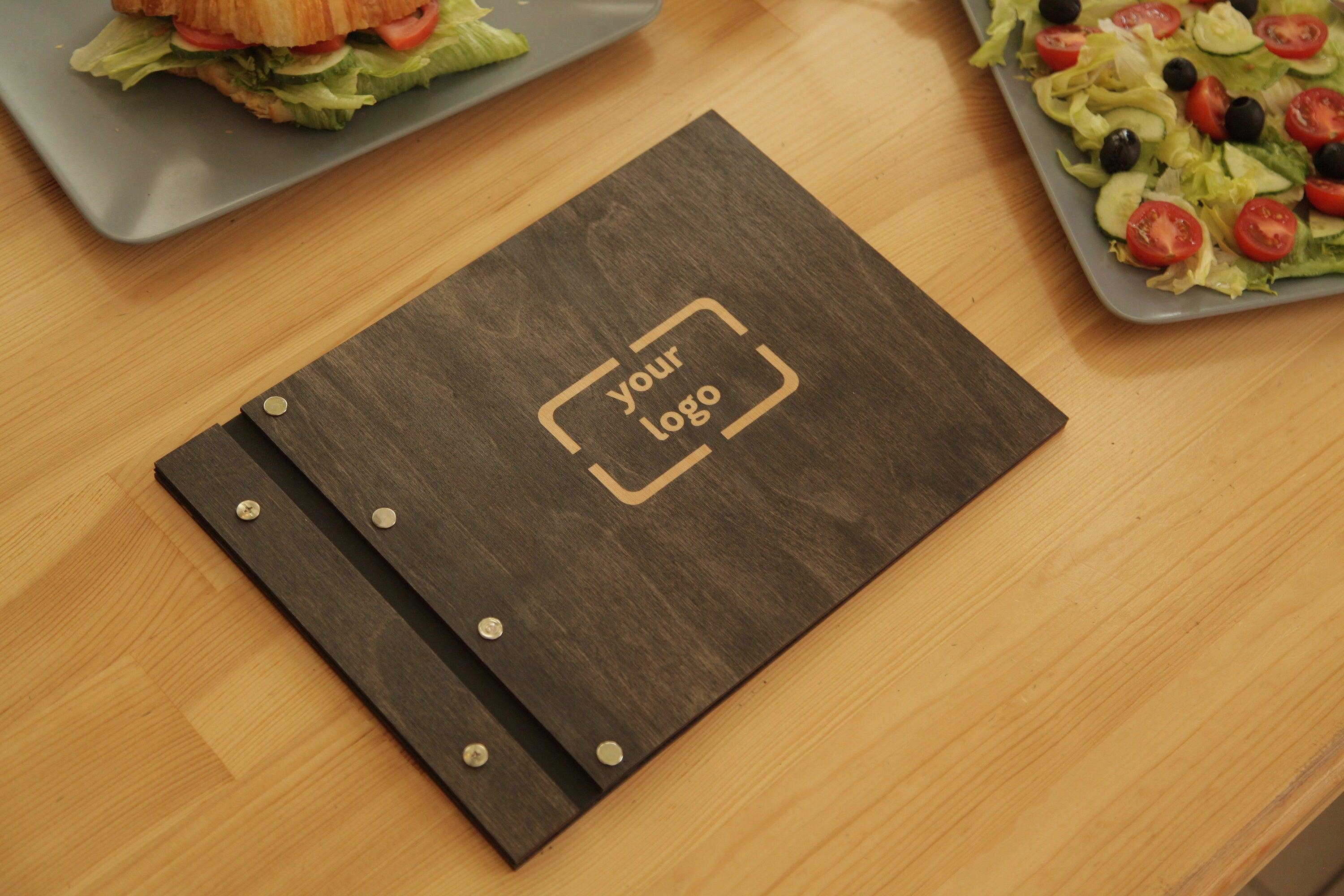
At KyivWorkshop, our handcrafted décor transforms tables into stylish, branded spaces.
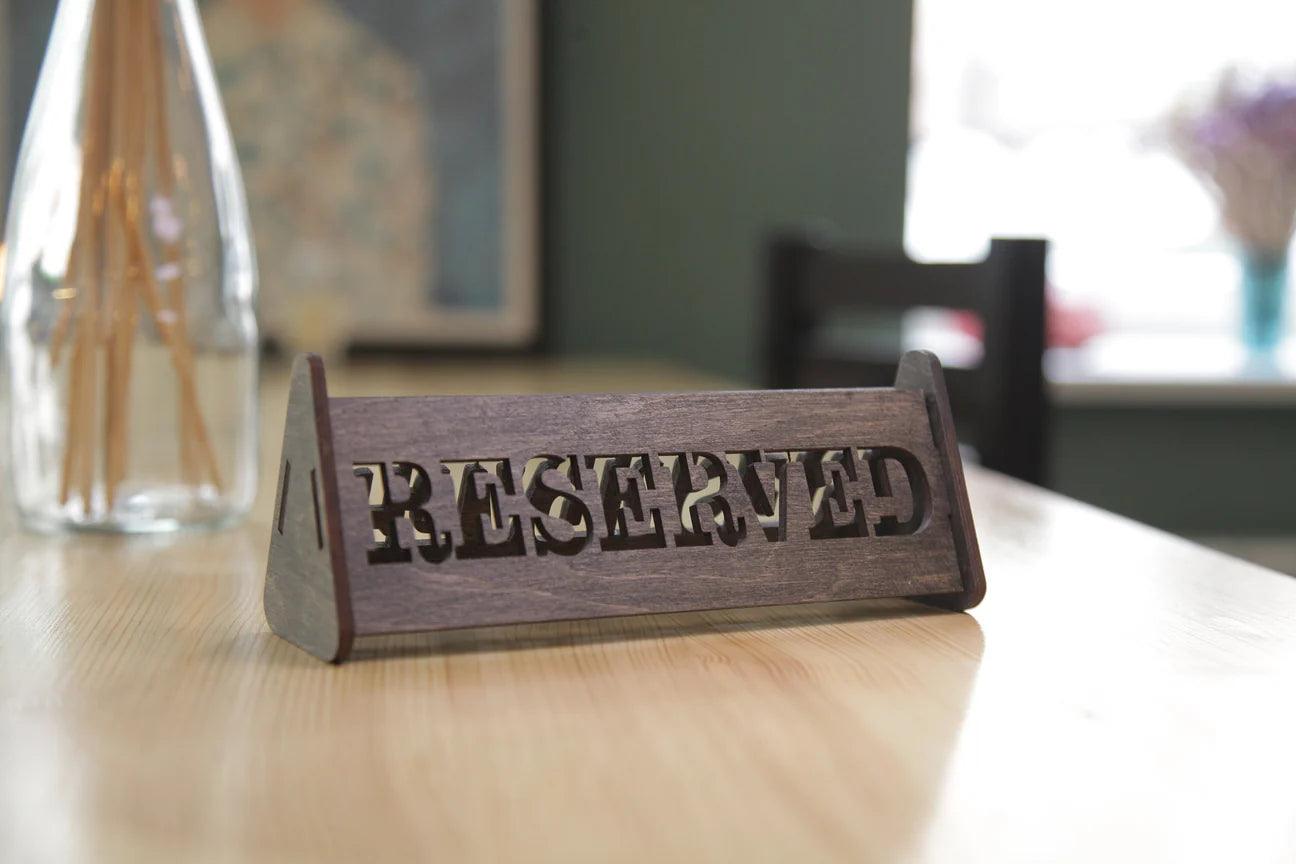
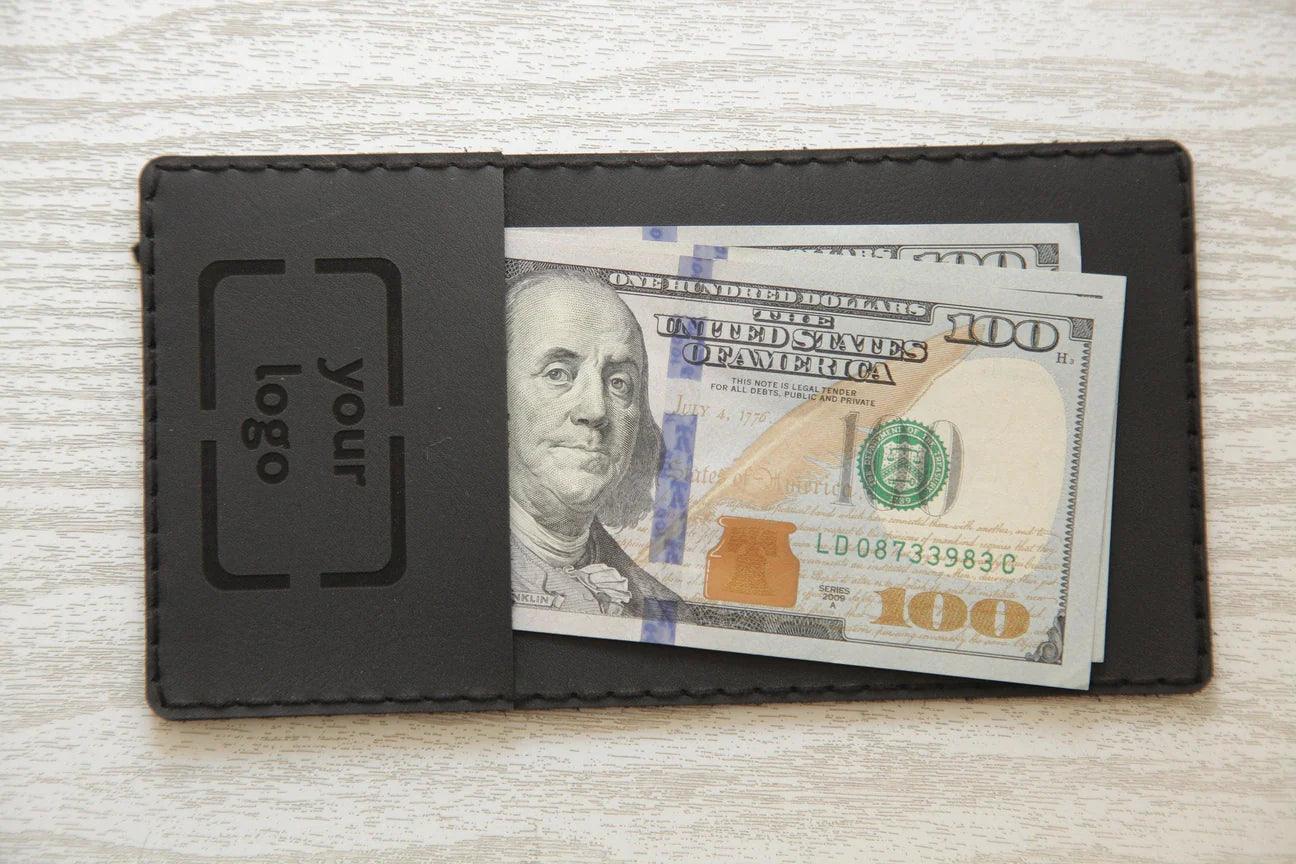
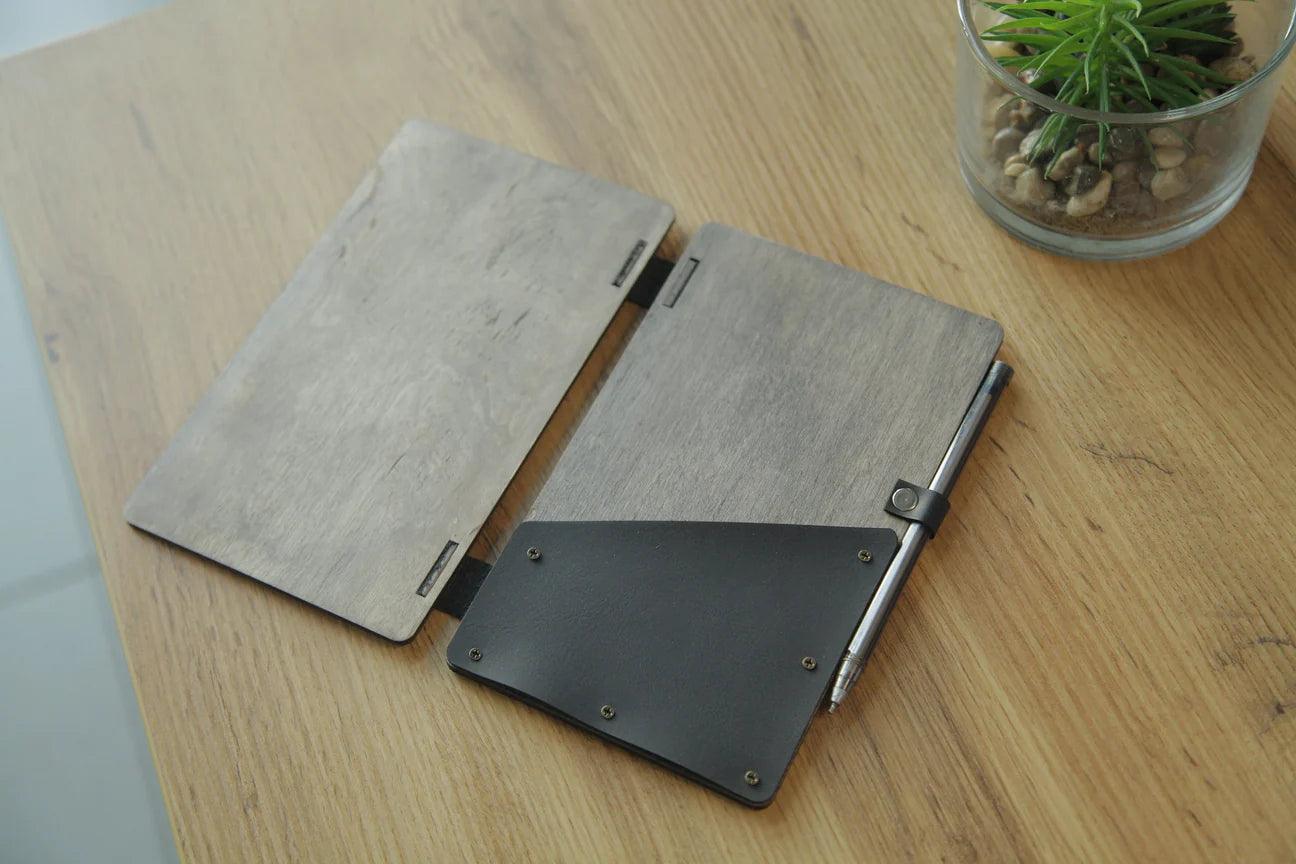
From personalized wooden QR code signs to elegant menu covers and reserved table signs, each piece can be customized to match your restaurant’s atmosphere.
Explore our collection of custom restaurant accessories and turn your tables into powerful visual touchpoints that spark curiosity, encourage orders, and keep guests coming back.
FAQs
Is gratuity the same as a tip?
No, gratuity and tip are not exactly the same even though both relate to paying for services rendered in restaurants. The key difference is that a tip is optional while gratuity is often a required charge added to the bill. A tip is an extra payment the customer leaves to reward good service. Gratuity is usually set by the restaurant and appears as a fixed charge on the receipt.
Are gratuity and tip the same?
Gratuity and tips are related but are handled differently in restaurants. Tips are voluntary payments that a customer may give after receiving good service. Gratuity is typically a mandatory fee that restaurants add automatically in certain situations. Both payments are intended to support service staff.
Is gratuity considered a tip?
In casual conversation, people sometimes use gratuity and tip interchangeably. However, restaurants and accounting systems usually treat them differently. A tip is usually paid directly to the server, while gratuity may be collected by the restaurant first. After that, the payment may be shared through internal gratuity distribution policies.
How does gratuity work?
Gratuity is a charge automatically added to the bill in certain situations. Restaurants often apply it when serving large groups because coordinating service takes more time and effort. The gratuity added usually appears as a percentage of the total bill. After the bill is paid, the restaurant distributes the money among staff members according to its policy.
Is gratuity and a tip mandatory?
A tip is usually optional and left by the customer at their discretion. Gratuity, however, may be required when a restaurant applies mandatory charges to the bill. This often happens for large reservations or special events. Restaurants clearly display this charge so the customer pays the total amount shown on the receipt.
Is tip optional or mandatory?
In most countries, tipping is considered optional rather than required. This practice is part of a broader tipping culture that encourages customers to reward good service. Some restaurants suggest recommended tip amounts on the receipt. However, the final decision always belongs to the customer.
What does gratuity mean on a bill?
When gratuity appears on a receipt, it means a service charge has already been included. Restaurants sometimes apply a service fee to ensure staff are compensated for their work. This charge appears on the bill before the final total is calculated. It helps ensure workers receive fair compensation for the service provided.
Do you tip on top of gratuity?
When gratuity is already included, customers usually do not need to leave an extra tip. However, some diners choose to add more money if the service was exceptional. The final actual amount a customer pays may therefore be slightly higher than the bill total. This decision remains completely optional.
If gratuity is included do you tip?
If gratuity is already included, additional tipping is not normally required. The restaurant has already applied gratuity charges to cover service compensation. Some customers still leave a small extra amount as appreciation. This gesture is often seen as a small present for excellent service.
What does tip stand for in gratuity?
The word “tip” is often explained as “to insure promptness,” though this meaning is debated by historians. Today, a tip simply refers to extra money given after good service. The practice became more common in the United States after the civil war. It later spread widely in restaurants, hotels, and bars.
What is the gratuity percentage?
Automatic gratuity usually ranges between 15% and 20% of the total bill. Restaurants often apply a fixed percentage for large tables or events. This system ensures the staff receives predictable compensation. The charge also helps maintain consistent service quality.
What is the tip percentage?
In many restaurants, a typical tip ranges between 15% and 20% of the bill. The amount may change depending on the dining experience and level of service. Customers sometimes increase the tip if they receive particularly attentive service. These payments contribute to the income of many service workers.
Why restaurants charge gratuity?
Restaurants charge gratuity to ensure servers are compensated fairly when managing larger tables. This practice helps support employees in environments where low wages are common in the hospitality industry. The additional charge helps staff earn more money for handling complex orders. It also helps restaurants maintain consistent service standards.
Does the gratuity go to the waitress?
In many restaurants, gratuity is shared among several staff members. The payment may go to the server, kitchen staff, and other employees involved in service. Some restaurants distribute the funds using internal policies set by employers. This ensures the entire team benefits from the payment.
Are tips and gratuity the same?
Although people often use the terms interchangeably, tips and gratuity function differently in restaurants. Tips are usually optional payments that reflect customer satisfaction. Gratuity is a charge automatically added in some situations. Both payments help support the wages of hospitality staff.
When is gratuity automatically added?
Restaurants usually add gratuity when serving large parties or special events. This practice ensures staff are compensated for the additional coordination required. The policy may vary depending on the restaurant’s business model. It is typically stated clearly on the menu or receipt.
Can you refuse to pay automatic gratuity?
In many cases, automatic gratuity must be paid once it is clearly listed on the bill. However, the rules may vary depending on local laws and restaurant policy. Some customers may discuss the charge with management if they believe it was applied incorrectly. Restaurants must follow relevant labor laws when applying such charges.
Do you have to tip on top of service charge?
If a restaurant already includes a service charge, additional tipping is usually optional. Many restaurants use these mandatory charges to standardize compensation for staff. Customers may still leave a small extra amount for outstanding service. The decision depends on the restaurant’s policy and customer preference.
How to tip when gratuity is included?
When gratuity is included, customers can review the bill before deciding whether to add extra. If the service exceeded expectations, they may choose to add a small additional amount. Modern digital payment systems often provide suggested tipping options during checkout. This makes the process quick and transparent.
What are the main restaurant gratuity inclusion reasons?
Restaurants include gratuity to ensure fair pay for staff and predictable service quality. The practice also helps address issues related to minimum wage levels in hospitality. It allows restaurants to guarantee compensation even when customers do not tip. This system supports both staff and the overall business operation.
How to get customers to tip after no tip on receipt?
Restaurants sometimes encourage tipping by clearly explaining service policies. Friendly communication and excellent service often motivate customers to tip. Staff training and a welcoming atmosphere improve the overall experience. These factors can influence future tips received.
What is standard gratuity?
Standard gratuity usually falls between 15% and 20% of the bill. Some restaurants automatically add this charge for large parties. The percentage may vary depending on the restaurant’s policies and economic conditions. Customers typically see the charge listed clearly on the receipt.
What is a standard tip?
A standard tip in many restaurants is around 15% to 20% of the bill. This payment reflects appreciation for attentive service. The amount may vary depending on the quality of the meal and service. It is an important part of the income for many workers in hospitality.
Do you tip on a cruise if gratuity is included?
Many cruise lines automatically add gratuity to passenger accounts. This charge is distributed among crew members who provide service during the trip. Because gratuity is already included, additional tipping is usually optional. Policies may vary between cruise companies.
Which U.S. providers clearly distinguish voluntary tips from fees and cap total user-paid extras per period?
Some service platforms and delivery apps clearly separate voluntary tips from platform fees. These companies set limits on additional charges paid by the user. Clear pricing policies help improve transparency for customers. The approach reflects several trends in modern payment systems.
Can a restaurant add a tip to your bill?
Restaurants can add automatic gratuity under certain circumstances. This charge must be clearly disclosed on menus or receipts. In such cases, the tip is treated as a service charge rather than a voluntary payment. Transparency helps avoid confusion for customers.
Is automatic gratuity legal?
Automatic gratuity is generally legal in many regions. Restaurants must follow applicable laws when applying service charges. Regulations may differ depending on the country or state. Businesses must also disclose these charges clearly to customers.
How do restaurant owners display gratuity or service charges on restaurant bills?
Restaurants typically list gratuity or service charges as separate line items on the bill. This ensures transparency in restaurant bills so customers understand the total price. Clear labeling helps prevent confusion about what the charge represents. Many establishments also explain the policy on menus or websites.
How do tipping practices vary between countries and cultures?
Tipping customs differ widely around the world. For example, tipping is common in the United States but less expected in some parts of Europe or South America. These differences often depend on local customs and economic systems. In some countries, restaurant workers are paid a living wage, so tipping is less necessary.








%20is%20a%20mandatory%20service%20charge%20added%20to%20the%20bill,%20usually%20for%20l...)