


Creative cafe menu ideas to attract more customers (2026)
A great cafe menu balances classic favorites with unique offerings, featuring espresso drinks (lattes, cappuccinos), simple but delicious bites like grilled cheese, avocado toast, and pastries, plus heartier options like soups, salads, and all-day brunch (pancakes, omelets). Don't forget fresh juices, smoothies, seasonal specials, and grab-and-go items like wraps, quiches, and protein bowls for variety and appeal.
A strong menu highlights your best items, supports consistent quality, and works for both new and returning guests.
Small choices, such as offering a few signature drinks, flexible food options, and seasonal specials, can make a big difference. The goal is to create a menu that sells well, fits your daily workflow, and gives customers a reason to come back without overcomplicating your kitchen or service.
In this guide, we’ll explore practical cafe menu ideas that help attract more customers while keeping your menu simple and easy to manage. You’ll find food and drink ideas, tips on structuring your menu, and guidance on choosing items that work well for daily service and long term sales.
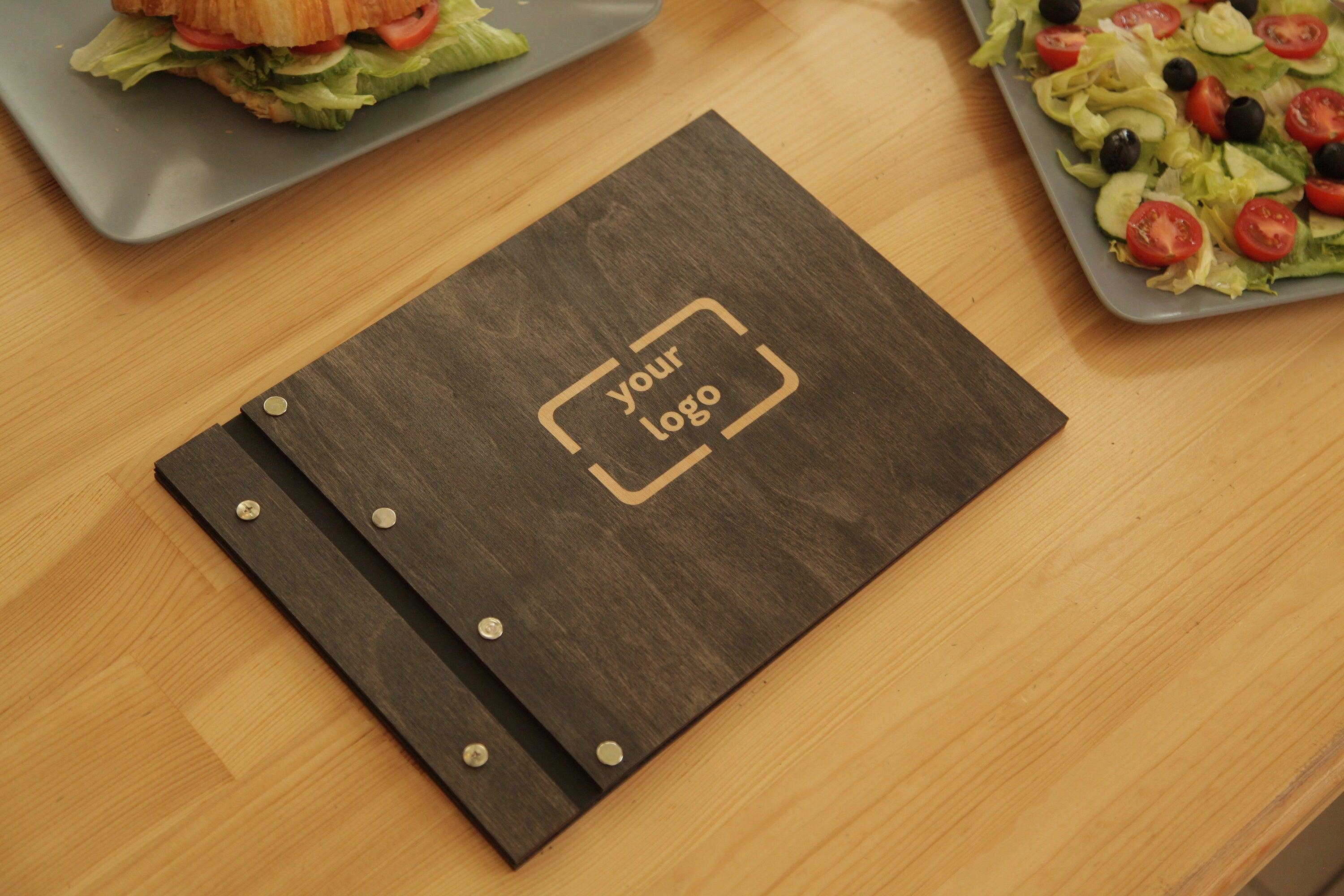
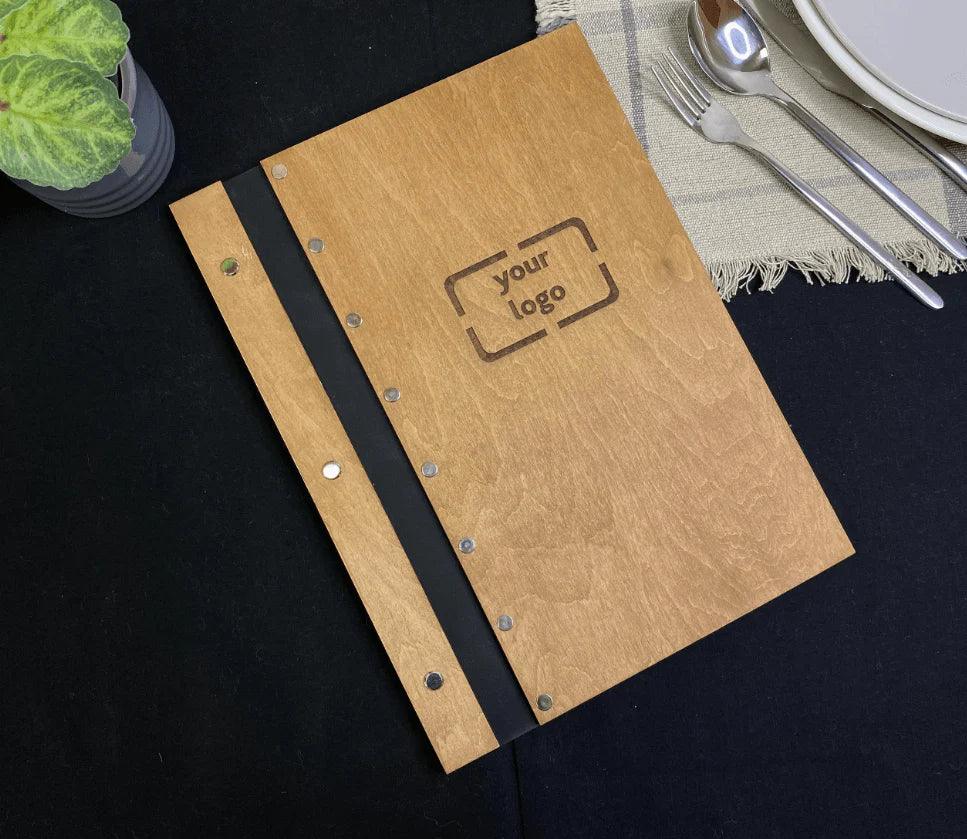
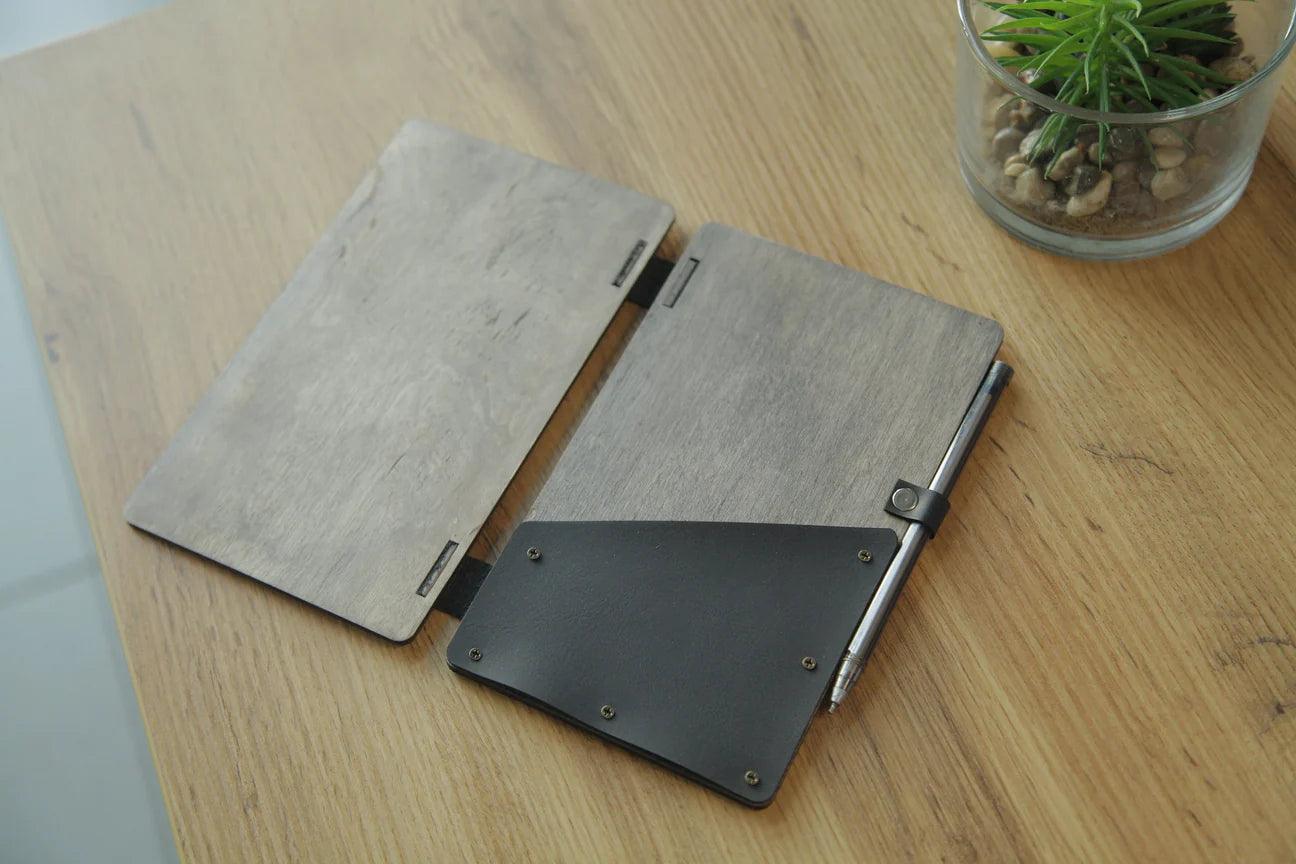
And if you want menu covers that catch attention, take a look at the creative menu covers from KyivWorkshop. We create custom menu covers that are fully customizable with your logo, branding, and design preferences.
Creative cafe menu ideas to attract more customers

To truly stand out, cafe menus need to offer more than good food. They should create a small experience, a mood, or a story that customers remember and want to return to. Below are menu ideas that go beyond standard formats and help cafes build identity, loyalty, and word-of-mouth interest.
Make the menu itself photographable
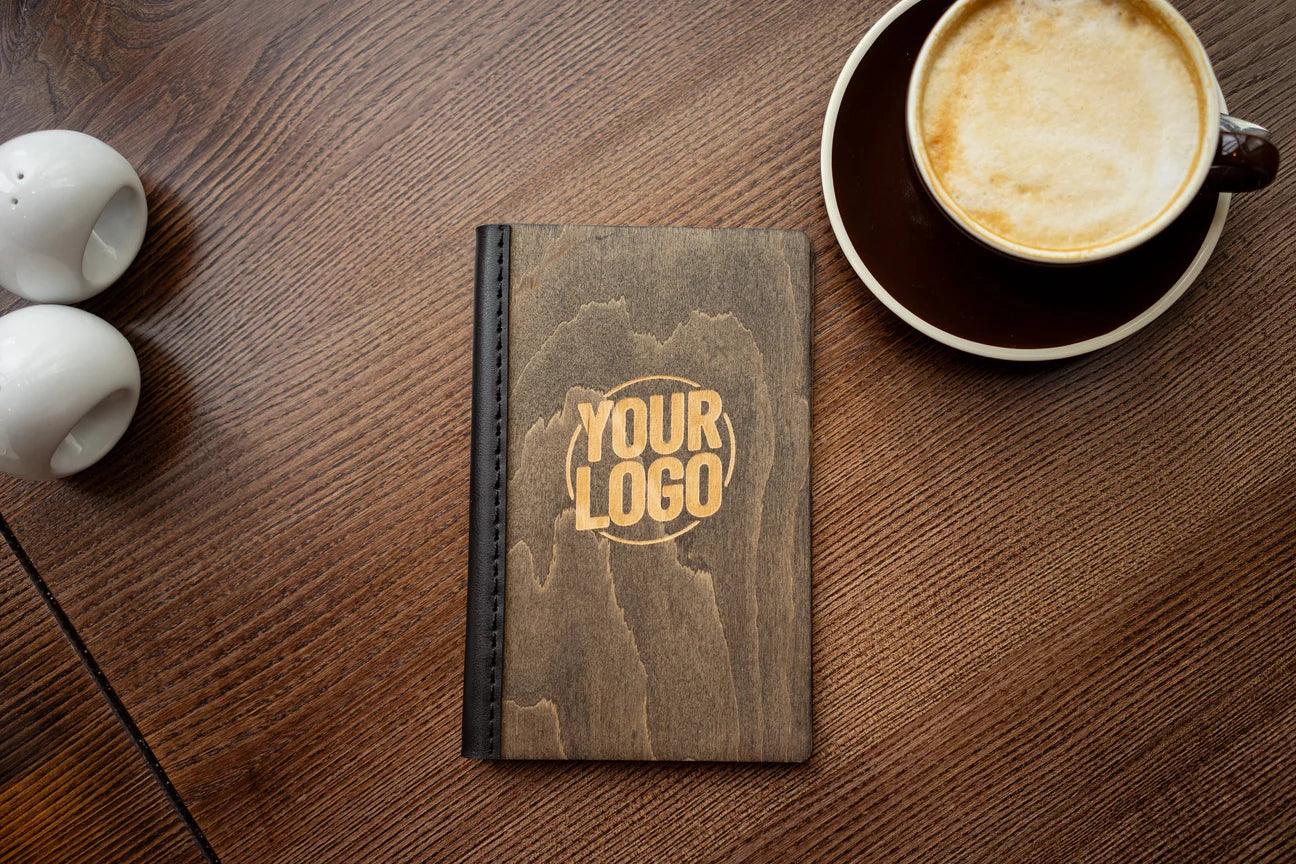
When the menu cover, typography, and paper feel well designed, customers naturally include them in photos. A tactile menu placed next to a drink or pastry often becomes part of the image. When the menu itself looks intentional and refined, it quietly turns into organic visual content that reinforces your brand without asking customers to share anything.
Create a thematic menu
A thematic menu feels intentional and memorable. This does not mean limiting yourself to one cuisine, but choosing a clear narrative. Examples include a “slow mornings” menu focused on warm, comforting items, a “city break” menu inspired by café cultures of different cities, or a seasonal nature-driven menu built around harvests and colors. When names, descriptions, and presentation support the same theme, the menu feels curated rather than random.
Add storytelling without overexplaining
A short line about why an item exists can make it feel personal and intentional. This could be about an ingredient, a technique, or a memory. Keep it minimal and factual. One thoughtful sentence is enough to create connection without slowing reading.
Create a recognizable menu silhouette
People often photograph objects from an angle. A menu cover with a distinct shape, thickness, or edge detail becomes recognizable even when partially visible. Rounded corners, layered edges, or visible stitching give the menu a signature look.
Core principles of cafe menu design

A strong cafe menu feels intentional, not crowded. It guides customers naturally, highlights what you do best, and supports the overall atmosphere of your space. Instead of adding more items, focus on how your menu communicates quality, personality, and ease of choice.
Build a clear menu concept
Your menu should reflect what kind of cafe you are and who it is for. When the food, drinks, interior, and menu presentation follow the same idea, customers sense consistency and confidence. Materials, layout, and structure all play a role in making the menu feel aligned with your brand rather than random.
Use names that feel distinctive but clear
Creative names can add character, but clarity always comes first. Customers should understand what they are ordering without needing explanation. Thoughtful naming paired with a clean menu layout makes items feel special without creating confusion or slowing down ordering.
Focus attention on signature items
Every cafe should have a few items that define it. Give these dishes or drinks space to stand out so customers notice them quickly. Rotating seasonal or limited items keeps the menu fresh while encouraging repeat visits, especially when updates are easy to manage.
Design for easy reading and natural flow
How customers move through your menu matters. A logical structure helps them decide faster and reduces ordering friction. When the menu is comfortable to hold and simple to scan, people are more likely to explore instead of defaulting to the first familiar option.
Support flexibility without clutter
If you offer add-ons, size options, or build-your-own choices, keep them organized and controlled. Clear sections and restrained design prevent the menu from feeling busy. This makes customization feel intentional rather than overwhelming.
Match the menu to the space
Your menu should feel like it belongs in your cafe. A minimal space benefits from clean, understated presentation, while a warm or rustic cafe can use richer textures and materials. When the menu visually fits the environment, it strengthens the overall experience and leaves a more professional impression.
Food and drink cafe menu ideas

Cafe menus should balance items that are easy to prepare, consistent to serve, and profitable to sell. The goal is to offer enough variety to feel interesting while keeping the menu focused and manageable for daily operations.
1) Drink ideas
A modern cafe drink menu should feel layered: familiar at the core, creative at the edges. Customers want drinks they recognize, but they also enjoy discovering something they cannot easily find elsewhere. Creativity works best when it builds on simple bases and uses a limited set of ingredients in multiple ways.
Espresso classics
Lattes, cappuccinos, Americanos, and macchiatos remain essential. You can add subtle variation by offering a house signature espresso, rotating single origin shots, or optional flavor accents like vanilla, caramel, or brown sugar. These small choices add interest without changing your workflow.
Specialty and signature lattes
Specialty lattes are ideal for expressing your cafe’s personality. In addition to matcha latte, strawberry matcha, and cinnamon roll latte, consider honey lavender latte, rose vanilla latte, pistachio latte, or cardamom latte. Seasonal ideas like pumpkin spice latte in fall or orange chocolate latte in winter keep the menu feeling current. Limiting this section to a few carefully chosen drinks helps maintain speed and quality.
Cold brews and creative iced drinks
Cold brew can be a category of its own. Beyond classic iced coffee, offer options like nitro cold brew, vanilla cream cold brew, citrus infused cold brew, or cold brew tonic. Iced matcha with fruit foam, iced chai with cinnamon cold foam, or iced latte with flavored cream add visual appeal and perform well on social media.
Tea and tea based drinks
Tea can be both traditional and creative. Alongside herbal infusions and chai, consider iced hibiscus tea, jasmine green tea with honey, or black tea with orange peel. Milk teas with subtle sweetness, such as Earl Grey milk tea or matcha with oat milk, expand your non coffee offerings.
Non coffee house drinks
Signature non coffee drinks help widen your audience. Golden milk, turmeric latte, hot chocolate with sea salt, or spiced cacao work well year round. Sparkling drinks such as lemon basil soda, raspberry lemonade, or apple ginger spritz add a refreshing option, especially in warmer months.
2) Food ideas
Creative food menus focus on recombining simple ingredients in interesting ways. This keeps preparation practical while giving customers something new to try.
Toast and open sandwich concepts
Toast can be more than avocado. Add creative combinations like mushroom and truffle oil toast, labneh with olive oil and herbs, ricotta with roasted grapes, or peanut butter with banana and chia seeds. Seasonal toppings allow rotation without changing the base.
Egg based dishes and brunch specialties
Egg dishes are flexible and filling. Beyond omelets and eggs Benedict, consider baked eggs with spinach and feta, soft scrambled eggs with herbs and sourdough, or breakfast tacos. Shakshuka inspired plates or egg and cheese croissants also work well for brunch focused cafes.
Baked goods and specialty pastries
Pastries create daily excitement. In addition to croissants, muffins, savory scones, banana bread, and cinnamon rolls, add items like almond croissants, chocolate babka slices, savory cheese twists, or seasonal fruit galettes. Limited quantity pastries encourage early visits.
Sweet plates and dessert style items
Desserts can be simple but memorable. Brownies with sea salt, cookies with mix ins, French toast with fruit compote, or pancakes with honey butter add comfort. Other creative options include yogurt parfaits, baked oats, or cheesecake bars for variety.
Sandwiches and paninis with a twist
Sandwiches can feel elevated with thoughtful combinations. Alongside grilled cheese, chicken salad, caprese, and banh mi, consider roasted vegetable and hummus sandwich, turkey with cranberry spread, or halloumi with pesto. Pressed sandwiches help maintain speed and consistency.
Soups and salads
Soups and salads support lighter meals. Tomato bisque and chicken noodle remain strong, while options like lentil soup, roasted pumpkin soup, or seasonal vegetable chowder add variety. Salads such as quinoa tabbouleh, roasted beet salad, or chicken Caesar bowl appeal to health conscious guests.
Bowls and build your own options
Bowls are ideal for customization. Burrito bowls, poke bowls, and protein bowls with quinoa, rice, vegetables, and protein choices work well. You can also add breakfast bowls with eggs, grains, and greens to extend this category into morning hours.
How to curate a cafe food menu that stands out

A standout cafe menu is not built by adding more dishes. It is built by making clear decisions about what you serve, when you serve it, and why each item earns its place. A well curated menu supports daily operations, reflects your cafe’s identity, and makes it easier for customers to choose with confidence.
Keep it simple
Simplicity is one of the strongest competitive advantages a cafe can have. A shorter menu reduces preparation time, minimizes waste, and helps staff stay consistent during busy hours. When each item has a clear role, customers trust the menu more and decision making becomes faster. Simplicity does not mean boring, it means intentional selection.
Focus on strong breakfast items
Breakfast is often the first impression of your cafe. Choose a small group of breakfast items that are reliable, filling, and easy to execute early in the day. Items that share ingredients across dishes work best, such as bread, eggs, spreads, and seasonal produce. A focused breakfast menu keeps mornings efficient while still feeling generous.
Add specials to keep the menu fresh
Limited time specials create curiosity and encourage repeat visits. Monthly or seasonal items allow you to test new ideas without committing to them long term. A summer cucumber melon soup or a winter baked vegetable dish feels timely and thoughtful. Specials also give regular customers something new to look forward to without changing the core menu.
Build around baked goods
Baked goods play a unique role in cafe menus because they sell visually and emotionally. A small, rotating selection of pastries or breads can drive impulse purchases throughout the day. Using baked goods that pair well with your drinks increases average order value. Consistency in quality matters more than having many options.
Add seasonal items
Seasonal items help control food costs and improve freshness. They also signal that your cafe pays attention to ingredients and timing. Seasonal vegetables, fruits, or herbs can appear in toppings, fillings, or soups without redesigning the entire menu. This approach keeps your offerings relevant while staying operationally simple.
Offering vegetarian, vegan, and gluten free options
Catering to different dietary needs is no longer a bonus, it is an expectation for many customers. These options should feel integrated into the menu, not added as an afterthought. When dietary friendly items are clearly labeled and thoughtfully designed, customers feel welcomed rather than accommodated.
Include grab and go options
Grab and go items support busy customers and increase throughput during peak hours. Pre packaged breakfast items, baked goods, or light meals allow quick purchases without slowing the line. These options work especially well near the counter and pair naturally with takeaway drinks. A strong grab and go section helps capture impulse sales and morning traffic.
Creative menu covers from KyivWorkshop

A well designed menu cover sets expectations before the menu is opened and signals the level of care and quality your cafe stands for.
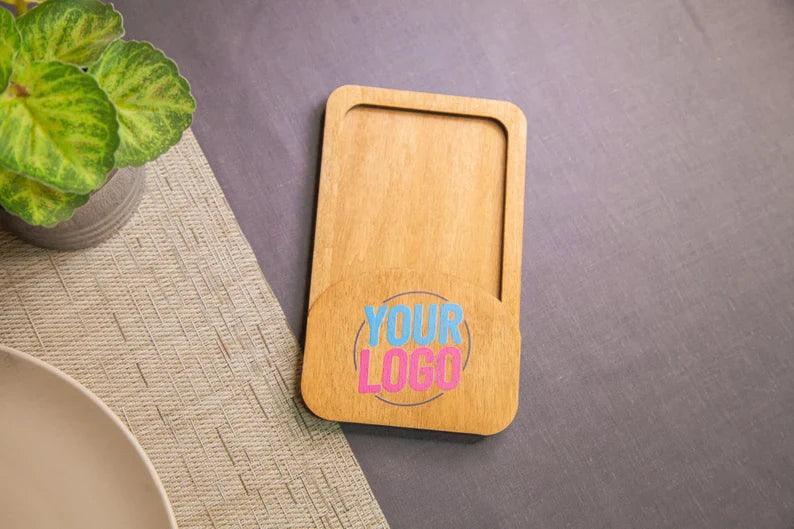
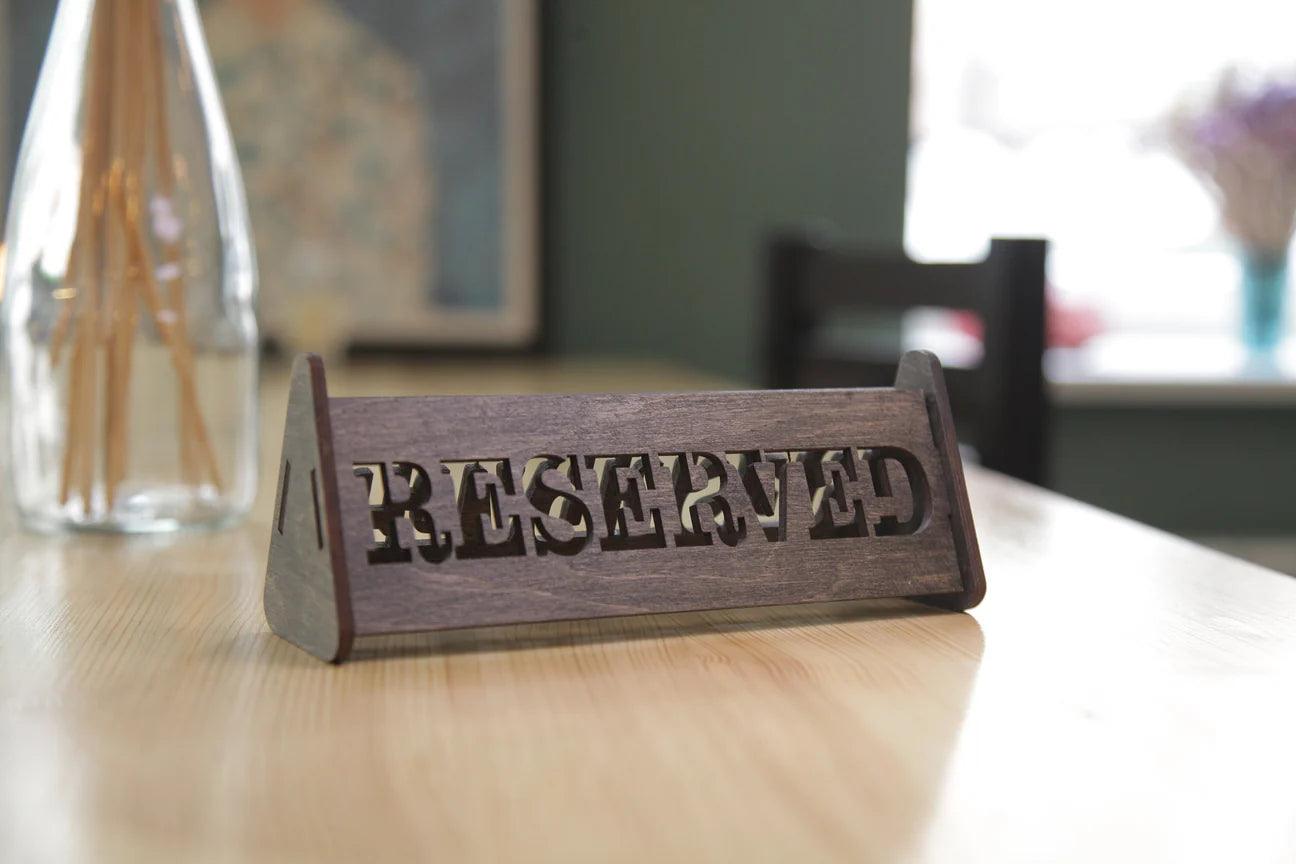
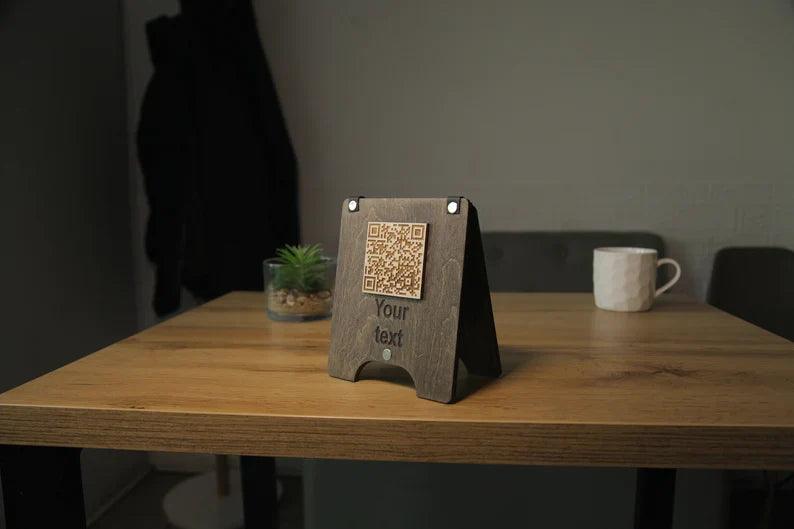
KyivWorkshop creates custom menu covers designed specifically for cafes and restaurants that want a clean, professional, and distinctive look. Materials such as wood, leather, and combined textures help create a tactile experience that feels intentional.
We invite you to explore our menu cover designs and discover custom options that combine durability, clean design, and branding tailored to your cafe.
Frequently Asked Questions
What should be on a cafe menu?
A cafe menu should include core drinks, a focused selection of food, and a few standout items that define the concept. Popular cafe menu items usually cover coffee, light meals, and sweet treats that pair well with drinks. Clear categories help customers scan quickly and choose with confidence. A well structured menu also supports consistent service during busy hours.
What foods are popular in cafes?
Popular cafe food includes baked goods, sandwiches, salads, and simple savory foods that are easy to prepare. Items made with fresh ingredients and familiar flavors tend to sell consistently. Many cafes also include desserts to appeal to guests with a sweet tooth. These choices work well for both dine in and takeaway customers.
What to serve in a small cafe?
A small cafe benefits from a short list of versatile items that share ingredients. Grab and go options such as pastries, wraps, and yogurt cups help serve customers quickly. Offering a quick bite alongside drinks increases average order value. This approach keeps operations efficient for any cafe owner.
What is the most profitable item in a cafe?
Drinks usually deliver the highest margins, especially espresso based beverages and specialty coffee. Items like cold brew and iced tea are inexpensive to prepare and scale well. Simple baked goods also perform strongly due to low labor costs. Profitability improves when popular items are consistent crowd favorites.
How do I design an easy cafe menu?
An easy menu uses short lists, clear headings, and readable spacing. Avoid long explanations and focus on detailed descriptions only where clarification is needed. A clean layout improves customer satisfaction and speeds up ordering. Durable custom menu covers help keep the menu neat and organized during daily use.
How can I make my cafe menu stand out?
Menus stand out when they reflect a clear concept and include a few signature dishes. Using unique flavor profiles creates memorability without overwhelming customers. A visually consistent menu helps attract loyal customers over time. Custom menu covers reinforce brand identity and elevate presentation.
How to build a cafe menu?
Start by defining what type of customers you serve and when they visit most. Choose items that balance cost, preparation time, and popularity. Consider food trends without chasing short lived fads. A thoughtful build process leads to a perfect balance between creativity and efficiency.
What should I sell in my cafe?
Sell items that fit your space, equipment, and local demand. Many cafes succeed by offering light bites, hearty soups, and drinks that complement them. Including health conscious choices expands your audience. Products should align with real customer preferences, not assumptions.
How to create a menu for a coffee shop?
A coffee shop menu starts with drinks and adds food that supports longer stays. Offering different milk options and gluten free items respects dietary preferences. Pairing drinks with food helps coffee enthusiasts explore more of the menu. Clear design improves the overall customer experience.
How many items should be on a cafe menu?
Most cafes perform best with 20 to 40 total menu items, depending on size and staff. Too many choices slow decisions and increase waste. Fewer items help maintain quality and consistency. This structure supports customer loyalty over time.
What are common menu design mistakes?
Common mistakes include overcrowded layouts and unclear pricing. Using low resolution photos instead of high quality images reduces trust. Overdecorated menus distract from the food itself. Simple structure keeps the menu visually appealing and readable.
What is the ideal menu layout?
The ideal layout places top sellers where the eye naturally goes first. Space and hierarchy matter more than decoration. For example, logical grouping helps coffee lovers and casual guests order faster. And a well designed physical menu paired with sturdy custom menu covers keeps the menu practical and professional.



,%20simple%20but%20delicious%20bites%20like%20grilled%20cheese,%20avocado%20toast,%20and%20pastries,%20plu...)