
ChatGPT prompts to create a restaurant menu in 2026
To create a restaurant menu with ChatGPT, use specific prompts defining the cuisine, concept, and target audience to generate enticing item descriptions, structure, and design ideas. Include key elements like price points, dietary options (vegan, GF), and sensory language to make the menu enticing.
ChatGPT can help you come up with dish ideas, write tasty menu descriptions, and organize everything neatly in just a few minutes.
Think of it like briefing a new chef. If you explain your concept, audience, style, and ingredients, ChatGPT can create menu ideas that truly fit your business instead of generic suggestions.
You can use regular ChatGPT chat or specialized GPTs to build clear, structured menus. And if you need visuals, ChatGPT can help you create images.
In this guide we’ll explore ChatGPT prompts for creating a restaurant menu.
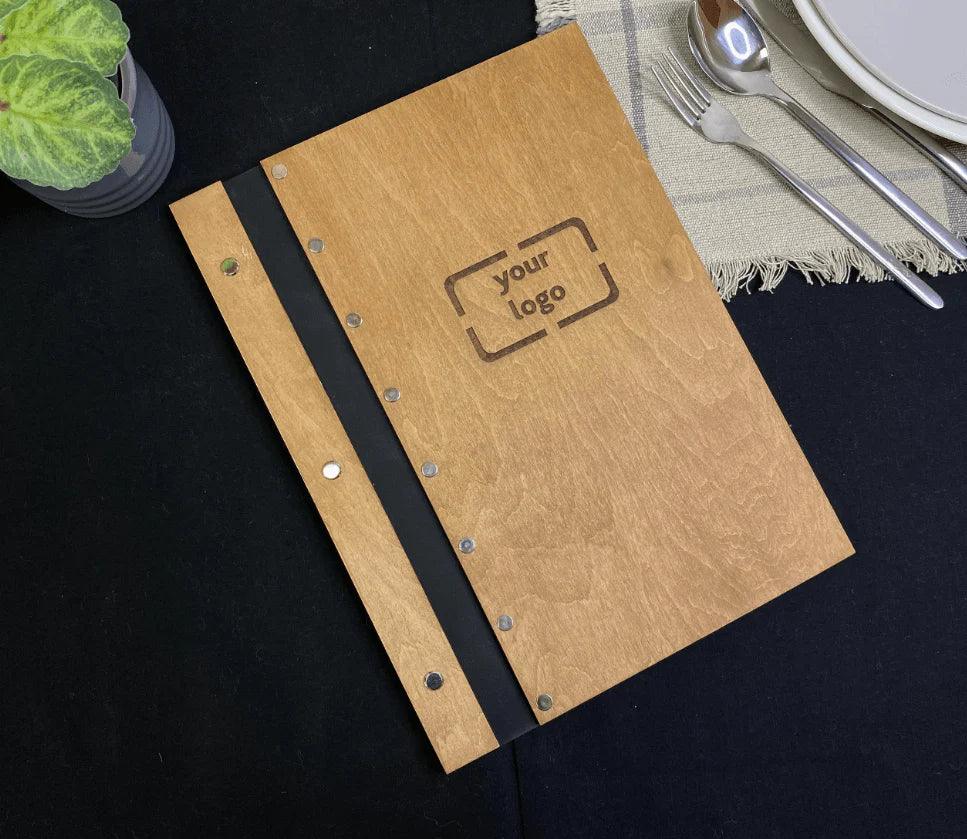
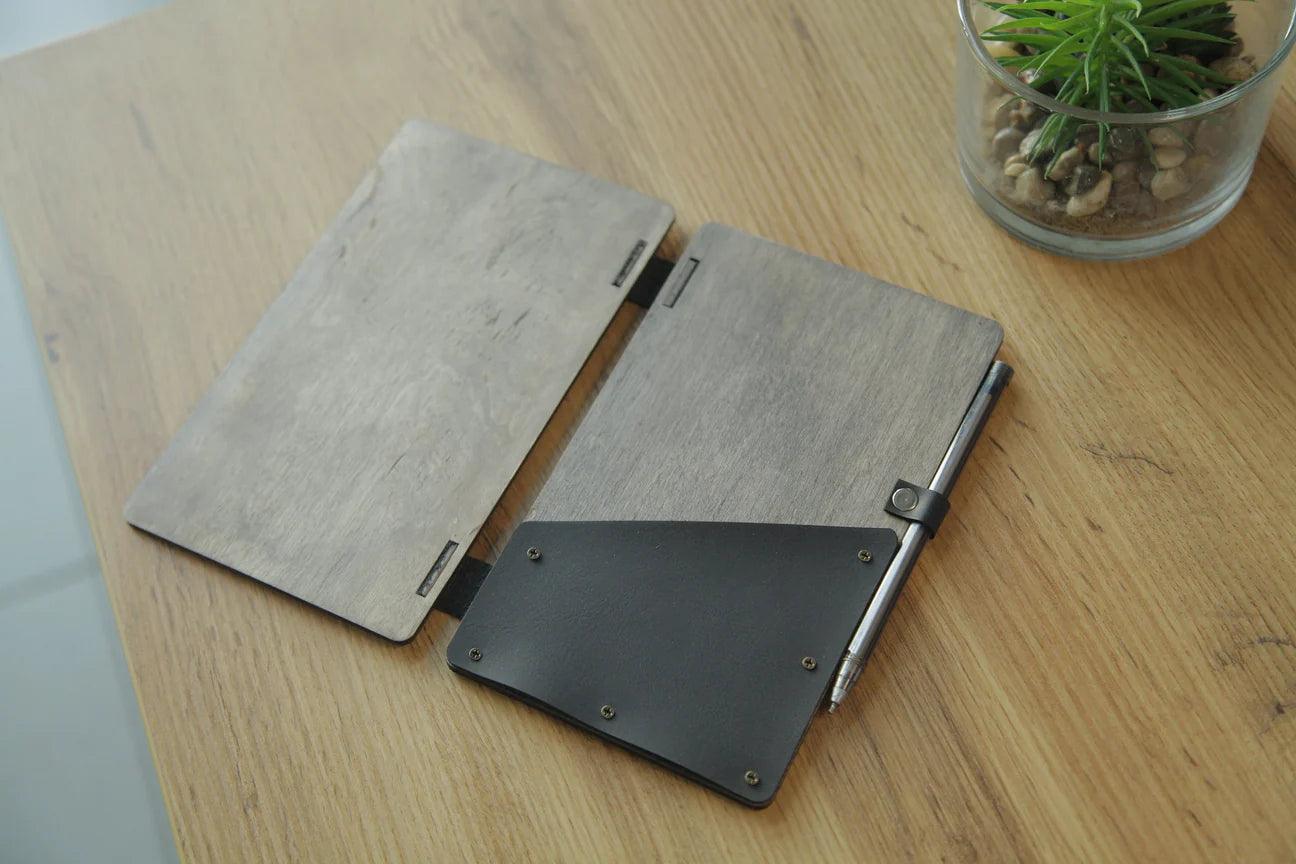
At KyivWorkshop, we manufacture custom menu covers that fit your restaurant style. We invite you to explore our products.
Best ChatGPT prompts for menu creation in 2026

With the right ChatGPT prompts, you can generate fresh dish ideas, catchy descriptions, and a clean menu structure in minutes.
1. Menu creation & description prompts
-
Menu generation: "Create a {number}-item, {type} restaurant menu, featuring sections for Appetizers, Mains, and Desserts. Use a {tone}, descriptive style that emphasizes freshness and local ingredients".
-
Food descriptions: "Write an enticing 2-sentence menu description for a {dish name} that emphasizes its {taste/texture, e.g., smoky, creamy} flavor and {key ingredients} for an {upscale/casual} restaurant".
-
Themed menu development: "Create a special 3-course Valentine's Day menu for a modern, romantic Italian restaurant. The theme should be 'intimate sharing' and include a wine pairing for each course".
2. Dietary & specialty prompts
-
Vegan/vegetarian focus: "We are a {cuisine} restaurant looking to expand our plant-based offerings. Suggest 5 creative, high-margin vegan appetizers and 3 main courses that feel indulgent".
-
Allergen-friendly menu: "Rewrite the following menu items to clearly highlight which are gluten-free and dairy-free, ensuring the descriptions still sound delicious: {insert menu items}".
3. Menu optimization & strategy prompts
-
Description refinement: "Review this menu description: '{drafted description}'. Make it sound more luxurious and sensory-focused".
-
Cost-optimization: "I have a {cuisine} menu with {ingredient A, B, C}. Suggest 5 new dishes I can make by rearranging these ingredients to reduce waste and improve food cost percentages".
-
Profitability analysis: "I am a {type} restaurant. Here is my menu with prices and estimated food costs: {paste menu}. Which dishes should I highlight, and which should I consider removing due to low margins?".
-
Seasonal update: "Suggest 5 seasonal menu items for a summer menu for a seafood restaurant in {location}."
4. Visual & layout prompts
- Visual hierarchy: "Structure the restaurant menu with clear visual hierarchy. Use bold section headings, consistent spacing between categories, and short, scannable dish descriptions. Format prices in a clean column alignment without clutter."
- Modern minimal layout: "Organize the menu using a minimalist layout with plenty of white space. Group items into clearly separated sections and keep descriptions concise. Ensure typography is simple, legible, and balanced across the page."
5. Image Generation Prompt
- Print-ready menu design: "Create a high-resolution, professional restaurant menu design for a {cuisine} restaurant. Use a refined {style, e.g., minimalist, rustic, modern fine dining} layout with a cohesive {color scheme}. Ensure strong visual hierarchy, elegant typography, balanced spacing, and clearly structured sections for appetizers, mains, desserts, and beverages."
- Realistic restaurant menu: "Create a high-resolution, photorealistic restaurant menu design for a {cuisine} restaurant. Use natural lighting, authentic food photography, and a clean {style, e.g., modern, rustic, elegant} layout. Apply a cohesive {color scheme}, clear typography, realistic textures, and well-balanced spacing to make the menu look print-ready and professionally produced."
- Cartoon-style menu: "Design a playful, cartoon-style restaurant menu for a {cuisine} concept. Use illustrated food elements, hand-drawn icons, and a vibrant {color scheme}. Apply friendly typography, rounded shapes, and clearly separated sections for appetizers, mains, desserts, and beverages to create a fun and approachable look."
- Tech-futuristic menu: "Create a high-resolution, futuristic restaurant menu design for a {cuisine} restaurant. Use a sleek, tech-inspired {style} layout with glowing accents, modern grid alignment, and a bold {color scheme}. Apply sharp, contemporary typography and clearly structured sections to achieve a digital, innovative, AI-forward aesthetic."
5 essential components of a strong menu prompt for ChatGPT

A strong ChatGPT menu prompt works best when you give clear, specific details about your restaurant and what you need. The more context you provide, the better and more accurate the results will be.
1) Restaurant Type and Concept
Define what kind of restaurant you run so the menu matches your identity and cuisine style.
-
Casual café or coffee shop
-
Fine dining restaurant
-
Food truck or street food concept
-
Pizzeria or burger joint
-
Bar and grill
-
Farm-to-table concept
-
Italian, Mexican, Indian, Japanese, Thai, etc.
-
Rustic BBQ or smokehouse
-
Vegan or plant-based restaurant
-
Seafood-focused restaurant
2) Target Audience and Vibe
Explain who your customers are and what feeling you want the menu to create.
-
Romantic and upscale
-
Family-friendly and relaxed
-
Trendy and modern
-
Budget-friendly and quick-service
-
Tourists and visitors
-
Business lunch crowd
-
Students and young professionals
-
Luxury dining experience
-
Cozy neighborhood spot
-
Healthy and wellness-focused
3) Item Breakdown
Tell ChatGPT how you want the menu organized so it follows a logical structure.
-
Starters and appetizers
-
Main courses or entrees
-
Sides and add-ons
-
Desserts
-
Drinks and cocktails
-
Kids menu
-
Daily specials
-
Seasonal menu section
-
Chef’s recommendations
-
Combo meals or tasting menus
4) Key Ingredients
Share important ingredients or cooking styles so the descriptions feel authentic.
-
Local and seasonal ingredients
-
Organic and fresh produce
-
Signature house sauces
-
Regional spices and flavors
-
Gluten-free or allergen-friendly items
-
Premium meats or seafood
-
Plant-based proteins
-
Traditional family recipes
-
Sustainable or eco-friendly sourcing
-
Unique specialty ingredients
5) Tone and Writing Style
Decide how you want the menu text to sound to match your brand personality.
-
Short and concise
-
Fun and playful
-
Elegant and refined
-
Warm and friendly
-
Descriptive and sensory
-
Minimalist and modern
-
Humorous and creative
-
Informative and clea
-
Casual and relaxed
-
Bold and energetic
Using these five components in your prompts will help ChatGPT generate menus that actually feel like your restaurant, not like a random template.
Explore custom menu covers from KyivWorkshop

At KyivWorkshop, we create unique menu covers designed to look great and last for years.
You can choose from a wide range of sizes, materials, colors, and engraving options to build a menu cover that fits your exact concept. Every element can be customized to reflect your brand and create a strong first impression.
We invite you to explore our collection of customizable menu covers and give your menu a stylish, professional presentation.
FAQs
How to ask ChatGPT to create a menu?
Use clear ChatGPT prompts that describe your restaurant concept, cuisine, and target customers. Provide context such as price range, style, and dietary needs so the AI understands what you want to create. Ask it to generate sections, dishes, and descriptions in a structured table format. The clearer your instructions, the better the final menu will match your business goals.
How to generate a restaurant menu?
To generate a menu, give ChatGPT details about your theme, audience, and preferred tone. You can ask the tool to suggest appetizers, mains, and desserts based on seasonal ingredients and food costs. AI tools help you save time by quickly producing organized drafts instead of starting from scratch. This approach turns a time consuming task into a fast and creative process.
Which app is best to create a menu?
Many platforms exist, but ChatGPT is one of the most flexible innovative solutions for menu writing and planning. It helps you create menus, rewrite descriptions, and respond to new ideas in real time. Unlike traditional software, AI technology adapts to your style and can generate fresh ideas whenever you need them. For modern restaurants, it is a powerful all-in-one helper.
What is a good sentence for menu?
A good sentence for a menu should describe flavor, texture, and appeal in a simple way. For example, you might write: “Our signature dish features slow-cooked beef with herbs and rich red wine sauce.” The sentence should reflect the atmosphere of the restaurant today and sound inviting to guests. Clear wording improves the overall guest experience.
How to create a food menu list?
Start by organizing your food into logical categories like starters, mains, and desserts. Use ChatGPT to generate clear lists of dishes and highlight key ingredients or special options. You can review and adjust the structure based on sales data from past performance. This method helps you build a balanced menu that fits real customer demand.
How to create a successful restaurant menu?
A successful menu balances creativity, profitability, and customer expectations. Use AI to analyze which dishes bring more revenue and which items are too expensive to keep. Include choices that satisfy different dietary needs and make sure descriptions feel casual and friendly. Regularly update the menu based on feedback and online reviews.
What are current trends in menu design?
Modern menu design focuses on simplicity, clear sections, and strong branding. Restaurants now use minimal layouts, readable fonts, and visuals that match their identity. Many owners promote new items through social posts and social media posts to build excitement. Personal touches like mentioning seasonal ingredients make menus feel fresh and relevant.
How do I design my restaurant menu?
Begin with a clean structure that guides guests smoothly through appetizers, mains, and desserts. Use ChatGPT to write and rewrite engaging descriptions that improve appeal. Good menu design should match your interior style and reflect the personality of your restaurant. Thoughtful organization helps customers imagine the taste before they order.
What are common menu design mistakes?
A frequent mistake is adding too many dishes, which confuses guests and increases food costs. Poor formatting, hard-to-read fonts, and unclear prices also hurt the guest experience. Another problem is ignoring blind spots, such as items that never sell or descriptions that feel boring. Regular review of the menu prevents these issues.
What is the optimal number of menu items for a restaurant?
Most experts suggest keeping 20 to 40 core items so customers are not overwhelmed. Too many choices slow service and make staff training harder. A focused menu allows the kitchen to stay prepared and maintain quality. The right balance depends on your concept and the expectations of your guests.
How to use ChatGPT to get more revenue for a restaurant?
ChatGPT can help identify opportunities by suggesting high-margin dishes and better menu wording. Ask it to explain how to upsell items, pair meals with wine, and craft offers for a couple celebrating special occasions. It can also help draft marketing ideas and improve descriptions to boost sales. These insights reveal powerful truths about what attracts customers.
How to write menu descriptions with ChatGPT?
Provide prompts that ask ChatGPT to describe each dish with sensory detail about taste and texture. Request multiple versions so you can match the tone of your restaurant. You can ask the AI to highlight benefits, mention ingredients, and keep sentences short and appealing. This process creates professional descriptions that improve service and help customers choose with confidence.
How can I use AI tools in my restaurant?
You can use AI tools in a restaurant to generate new ideas for menus, marketing campaigns, and daily operations. AI helps you discover patterns in sales and customer behavior and solve the regular challenge of staffing, pricing, and inventory planning. It can also identify undervalued loyal guests and suggest personalized offers to encourage them to return more often. Many owners use AI to analyze feedback and note practical improvements that make service smoother and more efficient.
Which AI is best for restaurants?
The best AI for restaurants is the one that fits your needs, and ChatGPT is a flexible option for writing menus, planning promotions, and refining your signature dish descriptions. AI can assist with managing online reservations, answering routine questions, and supporting staff training. It also improves customer conversations by helping you craft fast, friendly replies to reviews and messages. As AI continues to develop, it will play an even bigger role in the future of restaurant management and guest experience.