
Cafe Interior Design Budget: What Actually Makes a Difference
Most café design advice assumes a renovation budget. It talks about custom furniture, bespoke lighting, and architectural features that require contractors and months of lead time. That's not the reality for most independent café owners, who are balancing equipment purchases, inventory, and working capital against a space that needs to look good from day one.
The good news is that visual impact and spend don't correlate as directly as the design industry implies. Guests respond to a small number of design signals disproportionately — and most of those signals are achievable on a constrained budget if you know which ones to prioritize.
The Focal Point Principle
Every successful café interior has at least one focal point — a visual anchor that guests notice and remember. It could be a wall treatment, a display behind the counter, a distinctive piece of furniture, or even a carefully composed shelf of plants and objects that sets the café’s style or theme and adds visual interest.
The focal point principle matters on a budget because it changes the math. Instead of spreading limited resources across every surface, you invest deeply in one or two moments and let the rest of the space remain simple and clean. A plain white wall doesn't look cheap next to a beautifully composed focal point — it looks intentional.
Choose your focal point before you spend on anything else. It helps keep the rest of the interior aligned with a cohesive theme and clear focus. It's usually the wall guests see first when they walk in, or the surface behind your espresso bar.
High-Impact, Low-Cost Design Moves
Lighting and Natural Light
Lighting is the single most transformative element in a café interior, and it's often achievable without major electrical work. Warm-toned bulbs (2700-3000K) instantly make any space feel welcoming, cozy, and bright. Adding pendant lights over the counter or above tables creates zones and height variation even in a small room. Use natural light from windows and simple reflective surfaces to reflect light and open up a small space. String lights on a bare concrete ceiling cost very little and dramatically change the evening atmosphere.
Good lighting choices also improve functionality as well as mood. The rule: fix your base lighting first (no harsh fluorescent overhead lights), then add warmth and character with accent pieces.
Plants and Greenery
Plants are one of the easiest design ideas for a small cafe interior design update on a low budget. A trailing pothos on a high shelf, hanging plants above a banquette, a few potted herbs near the window, a large fiddle-leaf fig in a corner — these create life, texture, and warmth in a small cafe without requiring design training to execute. Consistent, healthy plants also signal to guests that the café is well-maintained. Greenery also adds personal touches and can support a creative small cafe design.
Avoid fake plants. They read as fake, and the signal they send (we couldn't be bothered) is the opposite of what you want.
Letter Board Menus and Display Signage
A well-composed letter board or menu display behind the counter should reflect whether your café focuses on drinks only or drinks plus food, so it communicates your offer clearly while also becoming a visual element in its own right. Black boards with white letters have a timeless quality that photographs well and creates a warm, handmade feeling even when the letters are plastic.
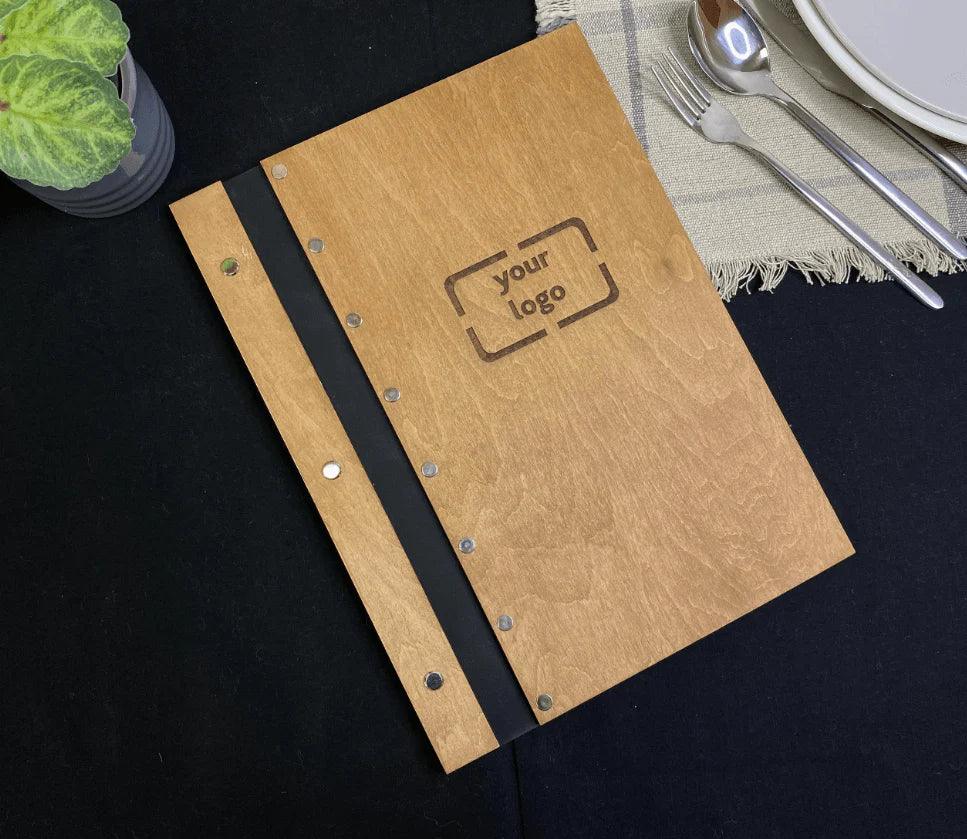
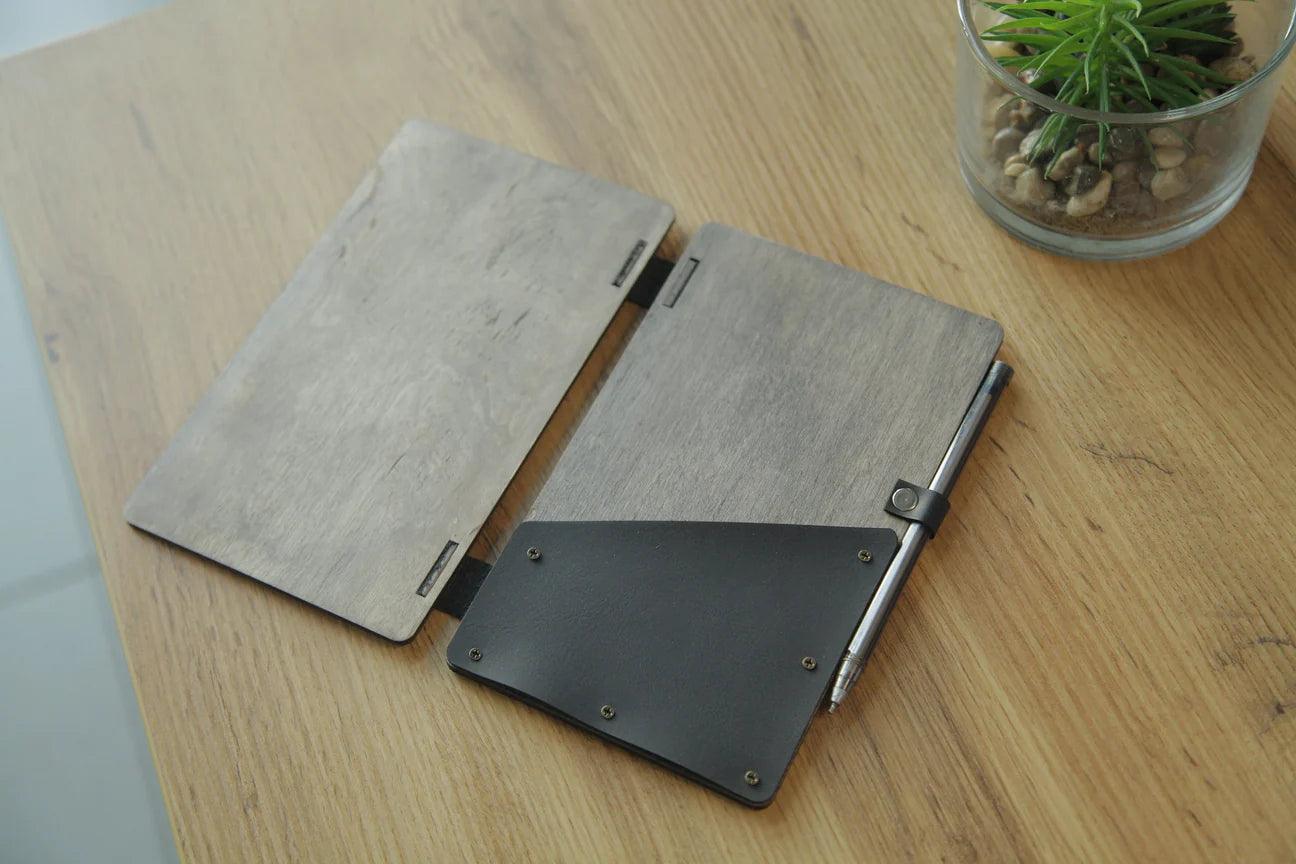
Wooden menu boards — whether hanging panels or tabletop displays — add natural warmth through simple materials and can be updated seasonally without reprinting costs, making wood one of the most cost effective options for signage updates. For cafés that change their specials frequently, this is both a design and operational win.
This is a practical example of budget small cafe interior design because better signage improves both appearance and day-to-day operation.
Where Custom Accessories Pay Off Most
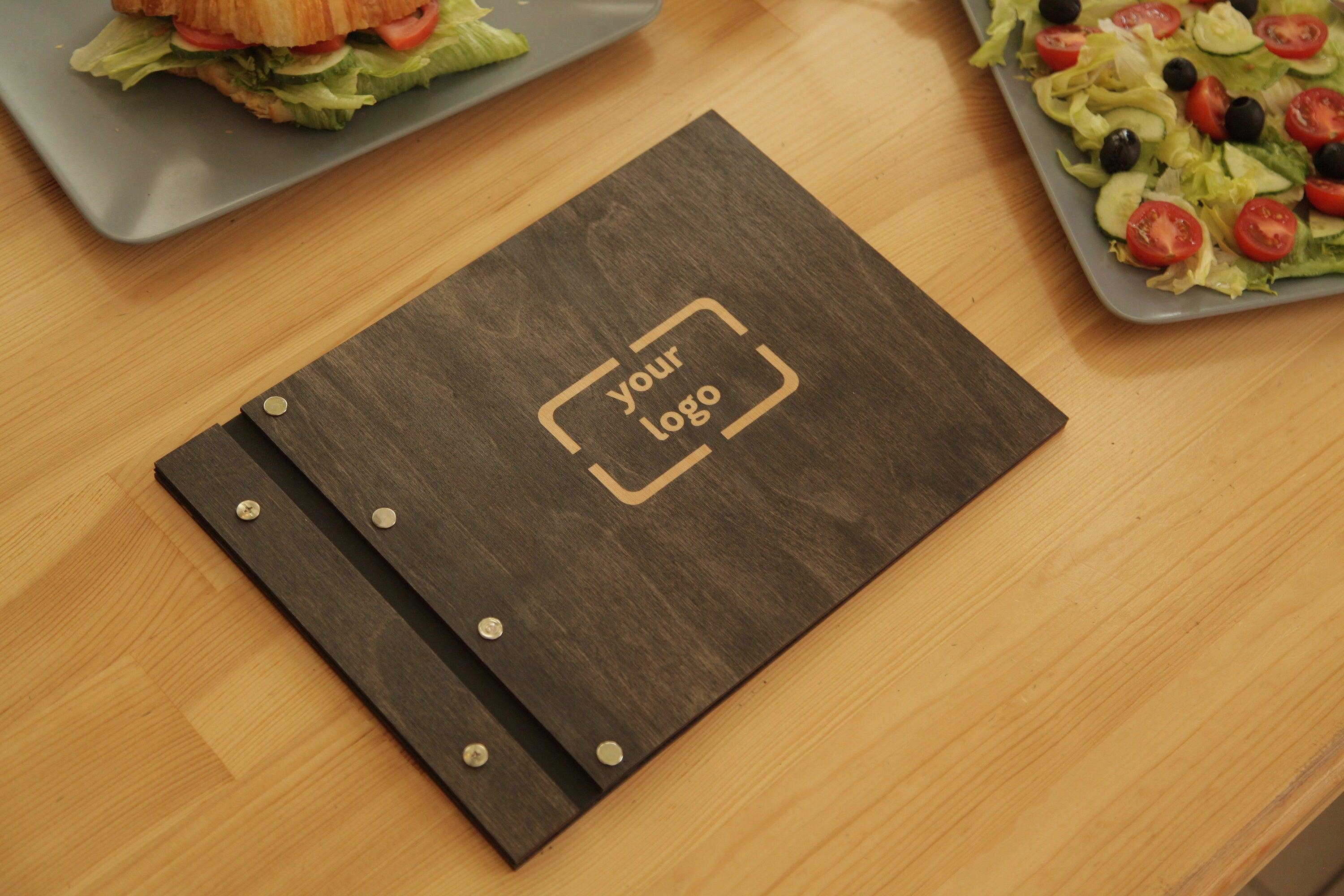
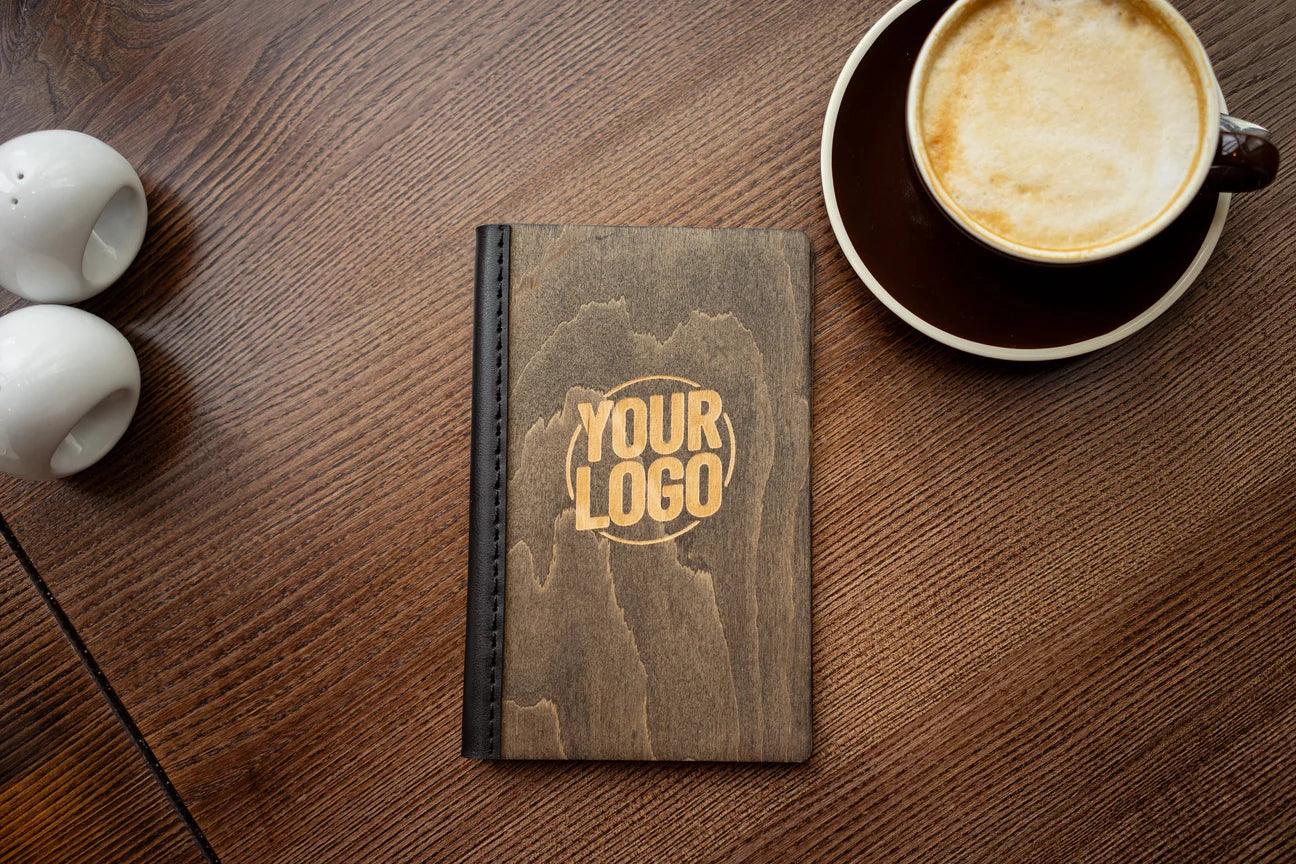
This is the category where many café owners underspend relative to the return. Custom accessories — menu holders, table signs, QR code displays — are handled directly by guests, which means their quality is felt in a way that wall color or furniture fabric often isn't.
Menu Presentation
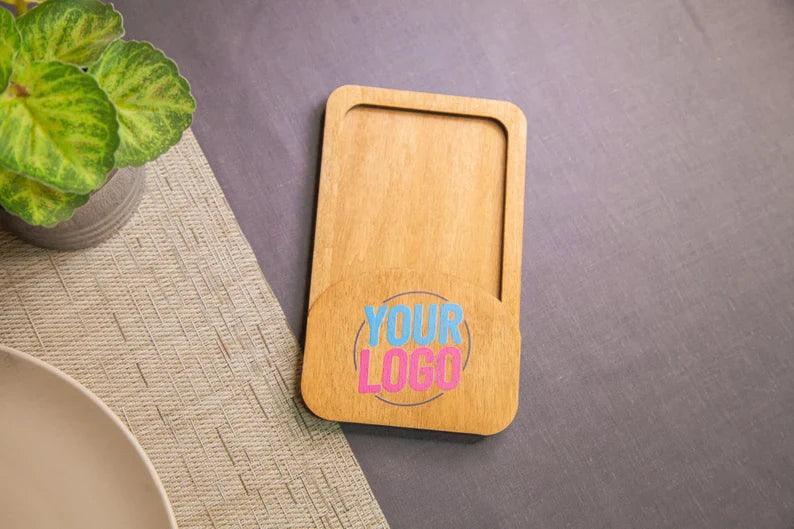
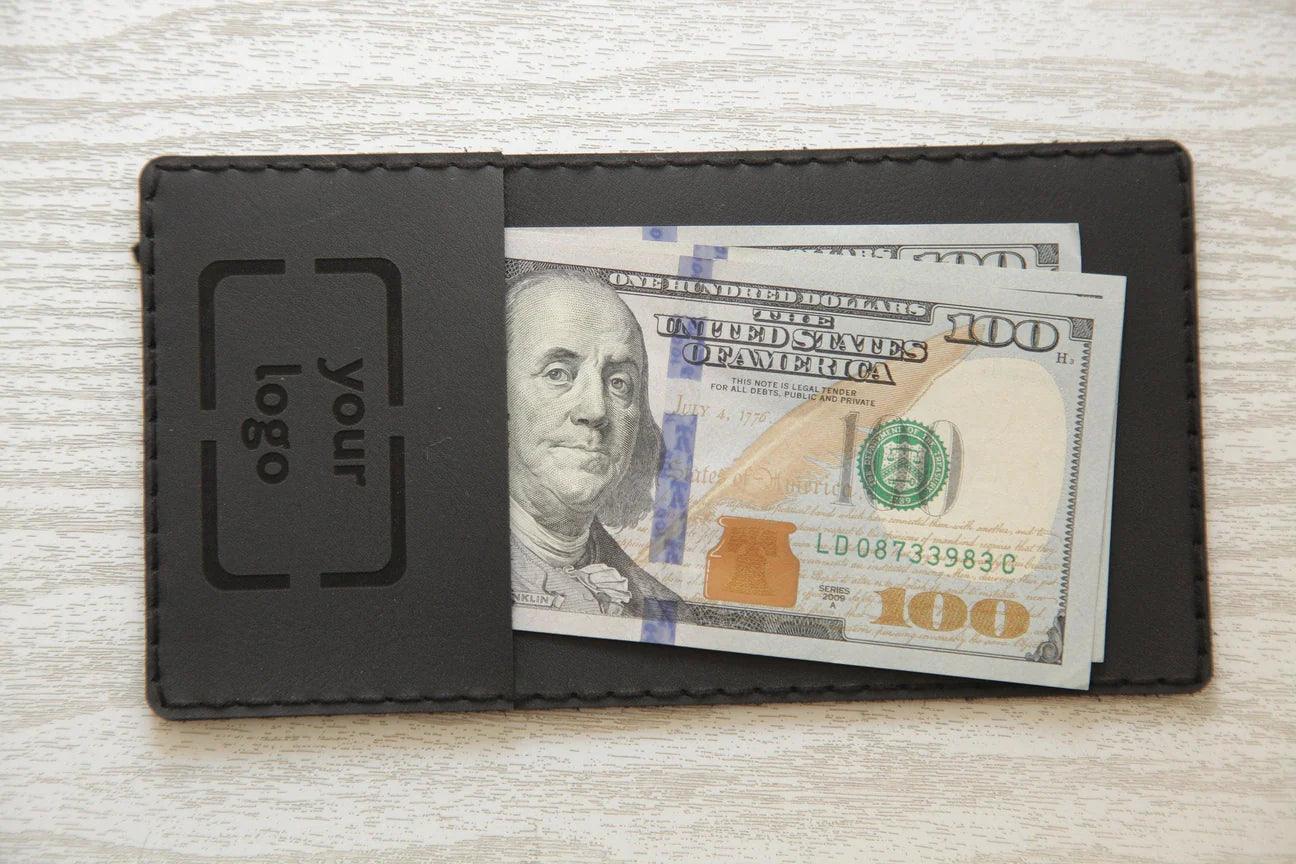
If your printed menus are sitting in a flimsy plastic sleeve or handed over folded from behind the counter, you're shaping the overall coffee shop experience and the business impression guests form. A wooden or acrylic menu holder costs relatively little but immediately signals that the café has thought about the guest experience. It makes a $4 espresso feel like it's served somewhere that cares. A professional designer can help refine details like this, but owners can also upgrade them affordably on their own.
Table Numbers and Reserved Signs
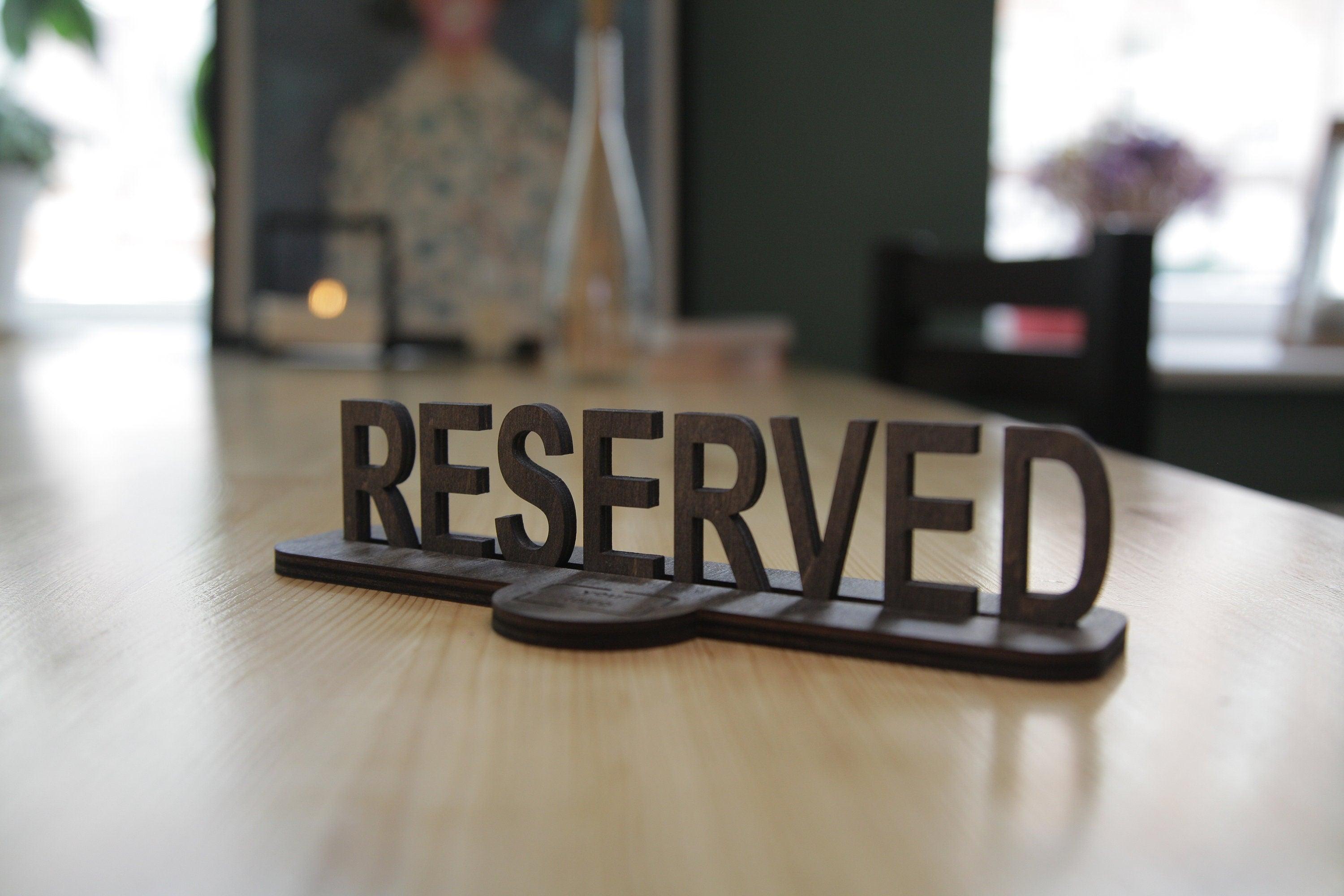
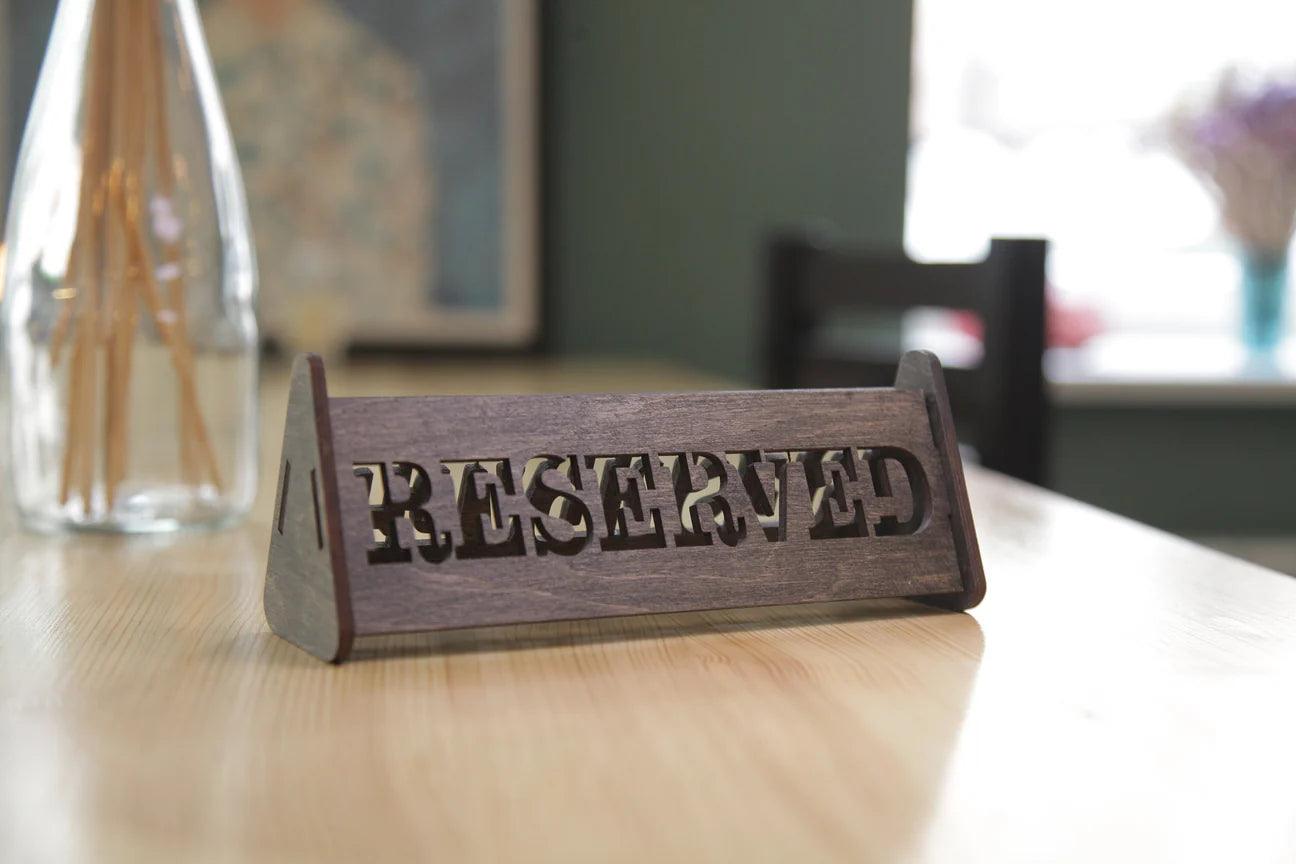
Scrawled numbers on a piece of card look temporary. Engraved wooden table numbers or small custom signs make more sense in high volume seating areas because they look like a decision. They're inexpensive to produce and last for years, and they contribute to the sense that the space was designed rather than assembled while supporting the room's overall layout.
QR Code Holders
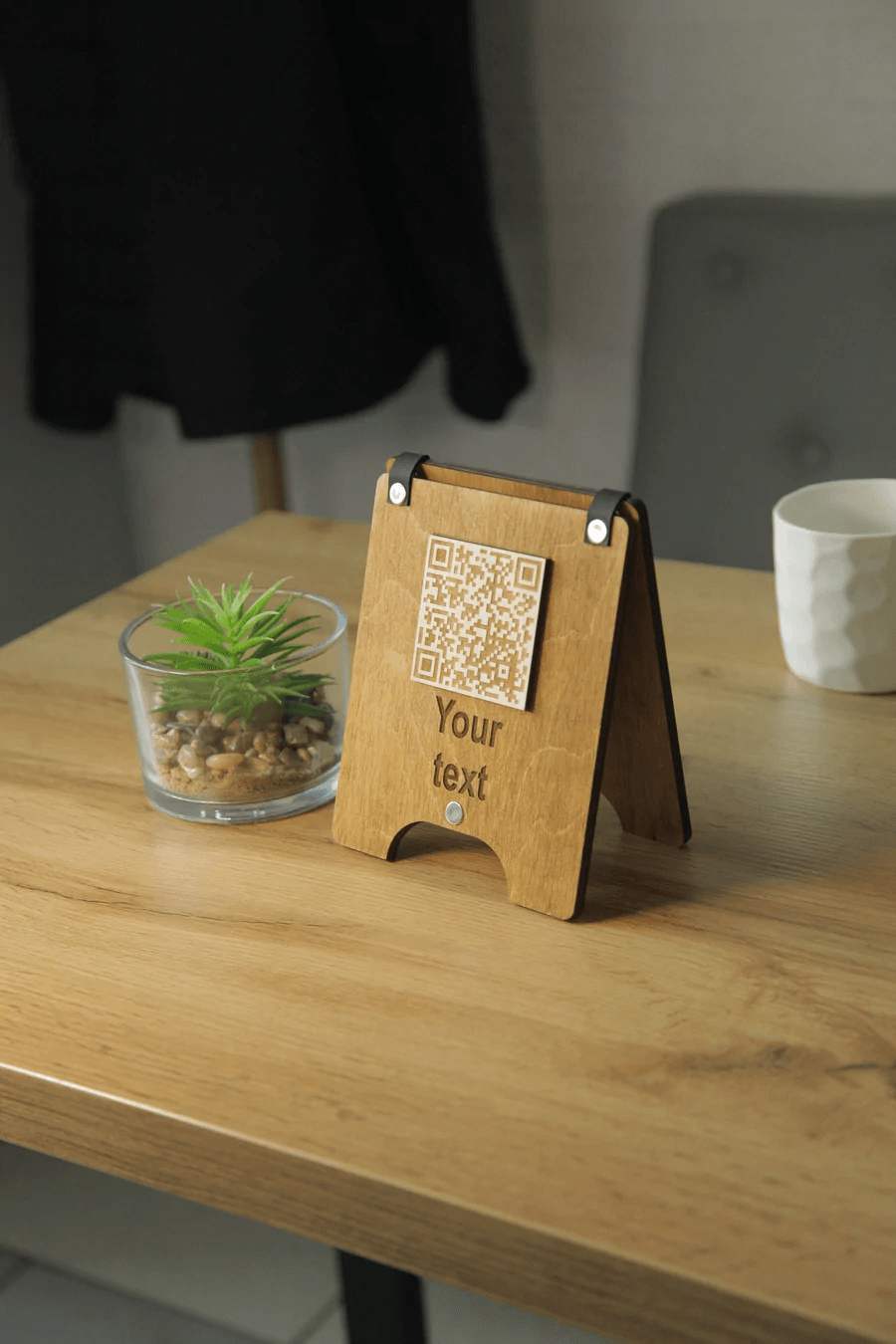
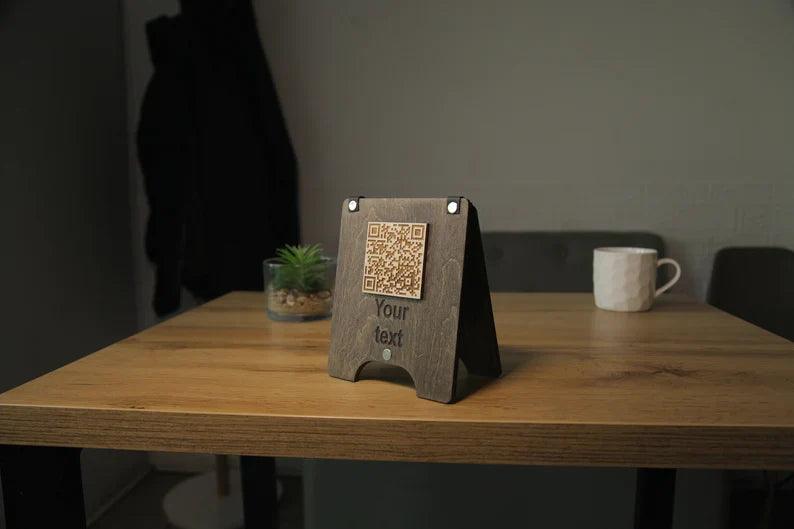
As QR codes replace or supplement printed menus in many cafés, the holder they live in matters. A QR sticker on the table reads as an afterthought. A small wooden or acrylic stand that holds the code upright looks considered. It also keeps the table cleaner and makes the code easier to scan.
What to Splurge on vs. What to DIY or Skip
Splurge on
Your plan should prioritize a few high-impact purchases instead of spreading money across everything.
-
Lighting — the impact-to-cost ratio is unmatched
-
The espresso bar setup — this is your primary brand stage
-
A single statement piece: one quality piece of furniture or art that anchors the space and matches the house style of the cafe
-
Table accessories that guests touch: menu holders, cups, cutlery
-
Replace flooring only when the current surface is failing, since durable materials support both style and day-to-day function
DIY or source secondhand
-
Shelving and display elements for a low budget small cafe — industrial pipe shelves are buildable and photographable, and mixing wood with secondhand metal finds can make them feel more original
-
Planters and plant pots — charity shops and markets are full of interesting options
-
Frames and wall art — printing your own large-format images is inexpensive, and peel-and-stick options can work for renters if you need something that will stick without major installation
Skip
-
Feature wallpaper on all four walls — pick one
-
Matching furniture sets — mismatched chairs often look more considered than sets when done intentionally, and a careful mix usually looks better than buying one cheap full set
-
Expensive branded merchandise before you know what your customers actually want to buy
One of the best tips here is to skip anything that does not improve functionality or support the cafe's theme.
Real Examples by Budget Bracket
$500 refresh
Replace all overhead bulbs with warm LED equivalents. Add 4-6 plants in simple pots, such as a hanging plant near the window or herbs by the till if space is limited. Source 2 pendant lights for the counter area. Order custom wooden table numbers and a QR code holder for each table. Paint one accent wall in your brand color for a refresh that works well on a tight budget and still creates a welcoming style. Total visual change: significant.
$2,000 refresh
Everything in the $500 tier, plus: commission a large-format print or mural for the focal wall so it reinforces the cafe's theme and adds rustic charm if that suits the brand. Replace chairs with a consistent secondhand set, using furniture ideas that keep the layout efficient in a small cafe design. Add proper pendant lighting throughout. Invest in custom menu holders for all tables. Source a large plant (fiddle-leaf or monstera) as a corner anchor, ideally in a bright corner near windows if available.
$5,000 renovation
Everything above, plus: custom-built shelving for the counter display, with materials such as wood or stone selected to suit the desired style. A proper espresso bar façade if not already in place. This is also where a professional designer may save costs by improving the overall plan. Professional photography of the finished space. Full custom branded accessories set — menu covers, check presenters, table signs — in a consistent material and finish, with a cohesive theme across details.
Design quality is not the same as design spend. Guests remember how a space made them feel — warm, considered, cared-for — and those feelings come from specific details that are often inexpensive to get right. Pick your focal point, fix your lighting, and invest where guests actually touch the space. The rest will follow.