
Bar Menu Designs: Ideas to Increase Drink Orders and Upsell
A well-designed bar menu does something that a good bartender does — it guides. It draws attention to the drinks you actually want to sell, creates curiosity about items guests wouldn't have ordered otherwise, and makes the whole experience feel effortless. A poorly designed one creates confusion, slows ordering, and leaves money on the table.
This guide focuses on the practical decisions that affect bar menu performance: layout, physical format, category structure, and how the menu itself functions as a sales tool.
How Bar Menus Differ From Restaurant Menus
Restaurant food menus and bar menus serve different psychological functions. A food menu is primarily informational — guests use it to make considered decisions about a meal. A bar menu is more impulsive. Drink decisions happen faster, are more influenced by presentation and mood, and are more susceptible to novelty and story.
That means bar menu design should lean into discovery rather than just navigation. The goal isn't just to list what's available — it's to showcase your offerings in a way that reflects your brand and helps entice customers to try things they didn't know they wanted.
The drinks you describe most vividly will outsell everything else, regardless of where they sit on the price ladder. Language, placement, colors, fonts, and visual emphasis are your levers.
Visually Appealing Layout Principles That Drive Orders
The Golden Triangle
Eye-tracking research on menu reading consistently finds that the first place guests look is the center of the page, then the top right, then the top left. This is the 'golden triangle.' Your highest-margin or most-signature drinks should sit in those positions — not at the bottom of a long list where they get skipped.
Category Structure
Categories should follow a clear theme and make it simple for guests to find what they want. A few effective approaches:
-
Occasion-based sections: 'Start Here,' 'Go Deep,' 'Wind Down' — creates a narrative arc, can showcase special offers without interrupting the flow, and encourages multiple rounds
-
Flavor-based sections: 'Refreshing & Citrus,' 'Rich & Spirit-Forward' — works well for cocktails and helps guests self-select by preference without needing to know terminology
-
Staff picks or 'Our Favorites' callout boxes — social proof within the menu converts better than neutral lists
Limiting Choice
Menus with too many options cause decision paralysis. Studies on consumer behavior consistently show that reducing choices from 24 to 6 actually increases conversion. For a cocktail menu, 8-12 signature drinks is a proven range. Add a smaller classics section and your spirits list separately.
Descriptions That Actually Sell
Bar menu copy is an underused sales tool, and the editable text and content on the page help shape perceived value before anyone orders. The difference between 'Gin and tonic with lime' and 'House-distilled botanical gin, fever-tree tonic, fresh lime — built long over hand-cut ice' isn't just information — strong descriptions bring the drink to life and increase perceived value and desirability.
Effective bar menu descriptions share a few qualities:
-
They use sensory language: cold, bright, smoky, velvety, sharp
-
They reference origin when it's interesting: 'Japanese whisky,' 'Oaxacan mezcal,' 'local craft gin'
-
They're short: 2 lines maximum. If you need more, the drink is probably too complicated.
-
They suggest an occasion or feeling: 'best ordered when the sun goes down,' which can entice patrons
Avoid purely technical descriptions. Most guests don't know what 'rye-forward mash bill' means. Translate the experience, not the recipe.
Physical Format: Matching the Bar Environment and Brand Identity
Bar menus face conditions that restaurant food menus don't: low lighting, wet surfaces, rapid handling, guests who may have already had a drink or two. The physical format needs to account for all of that.
Durability
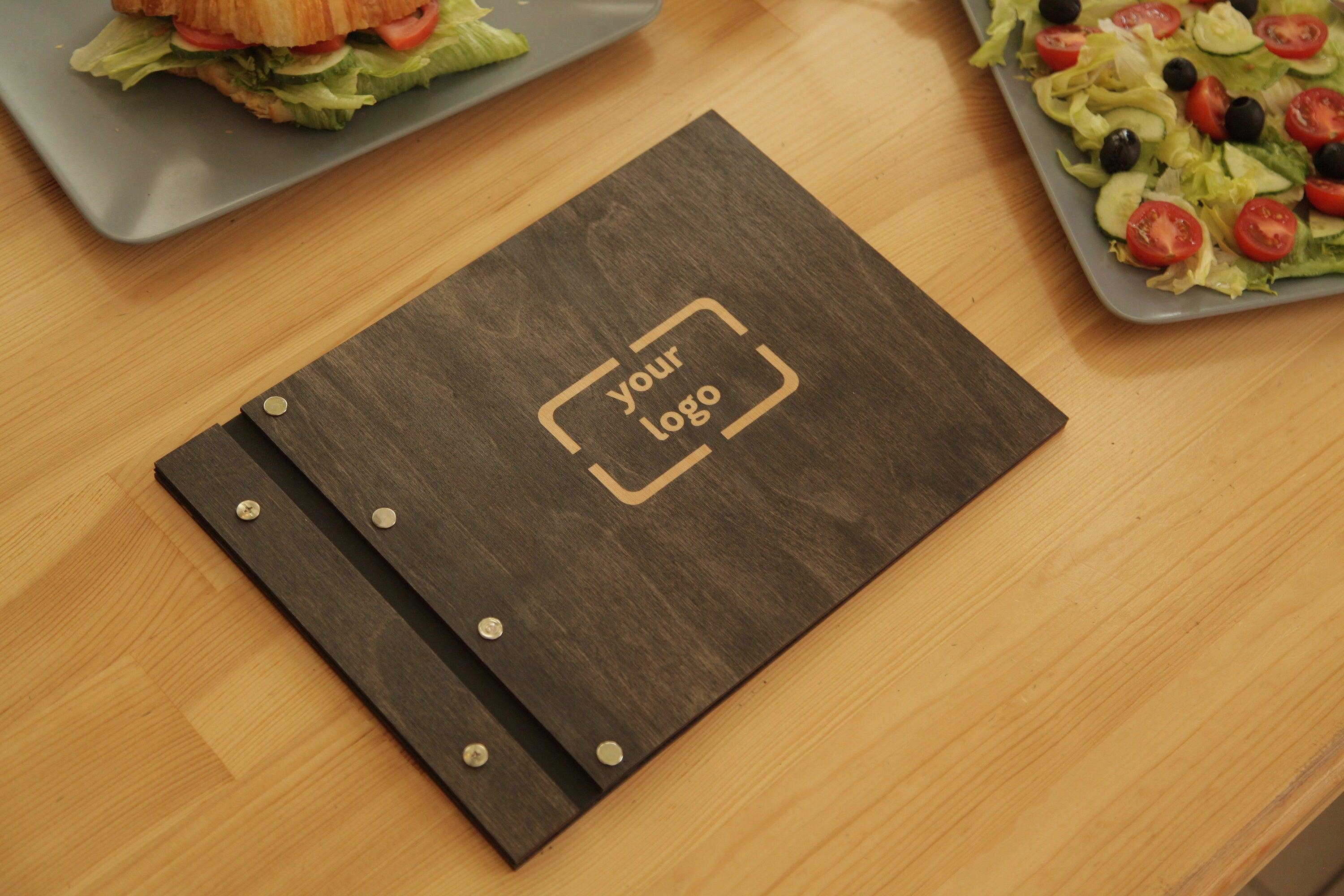
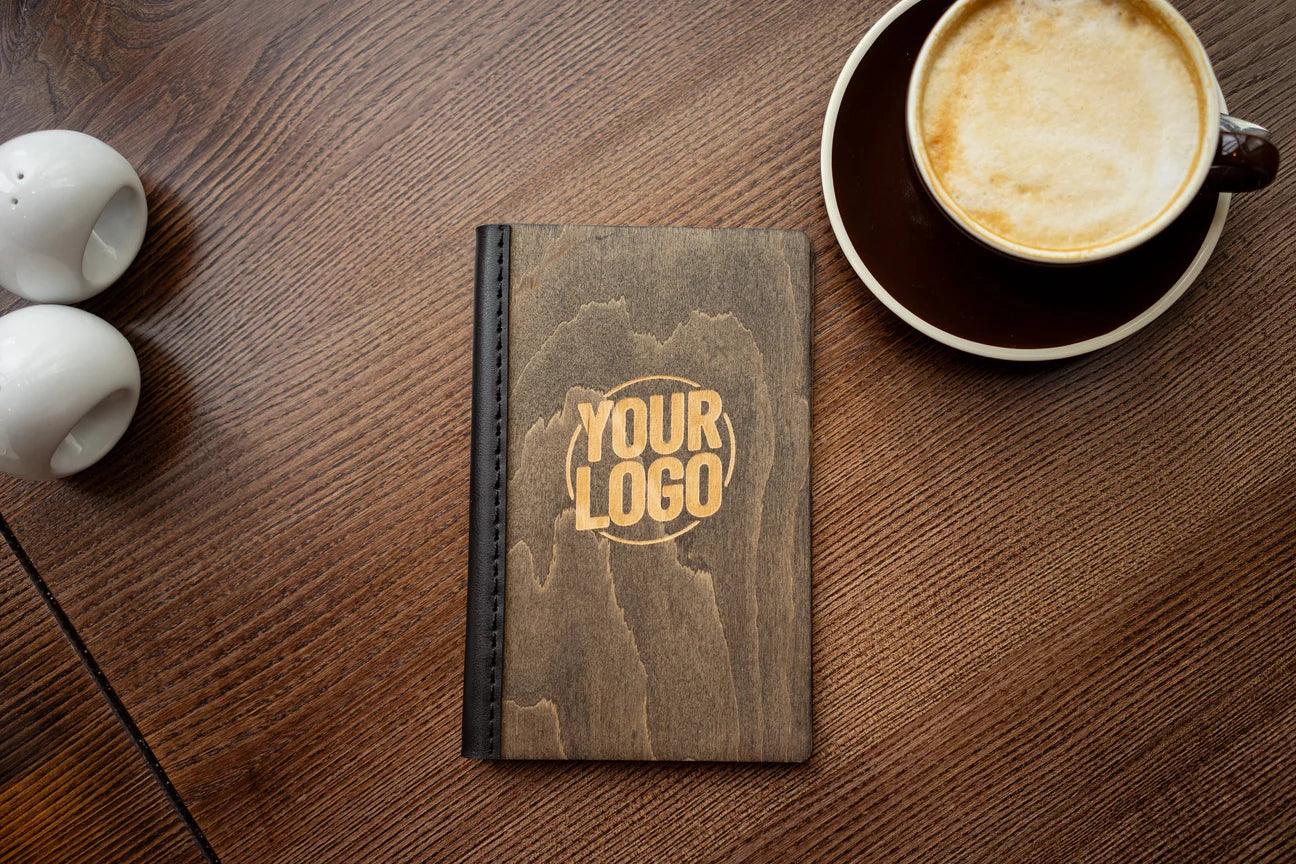
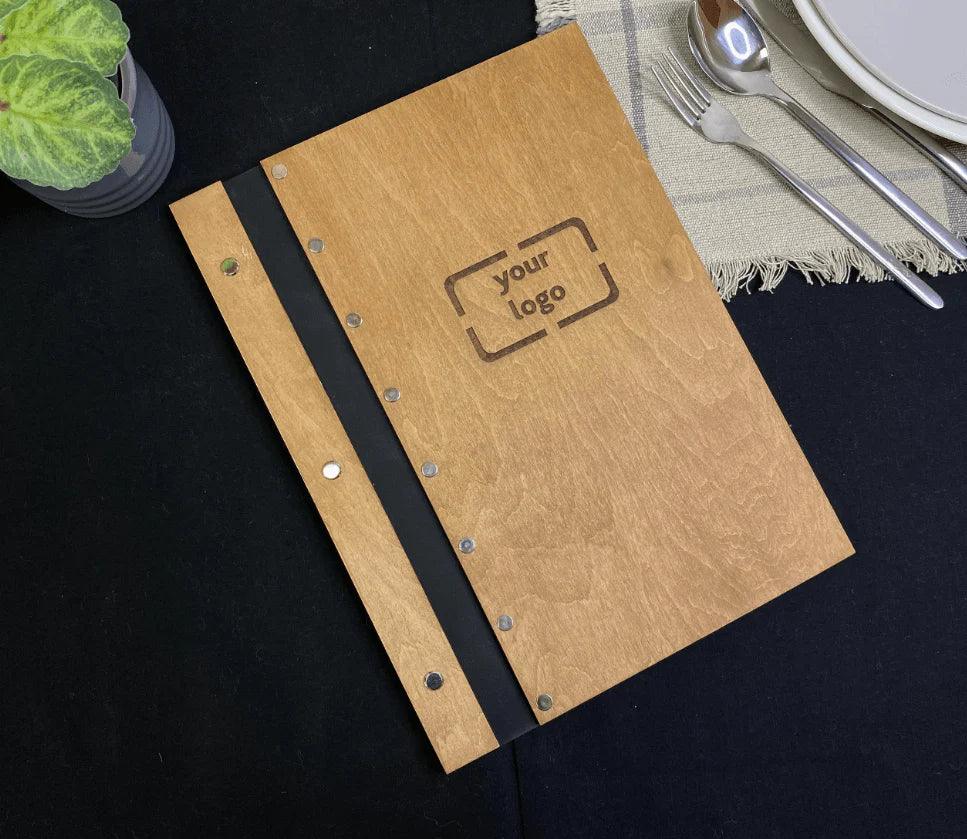
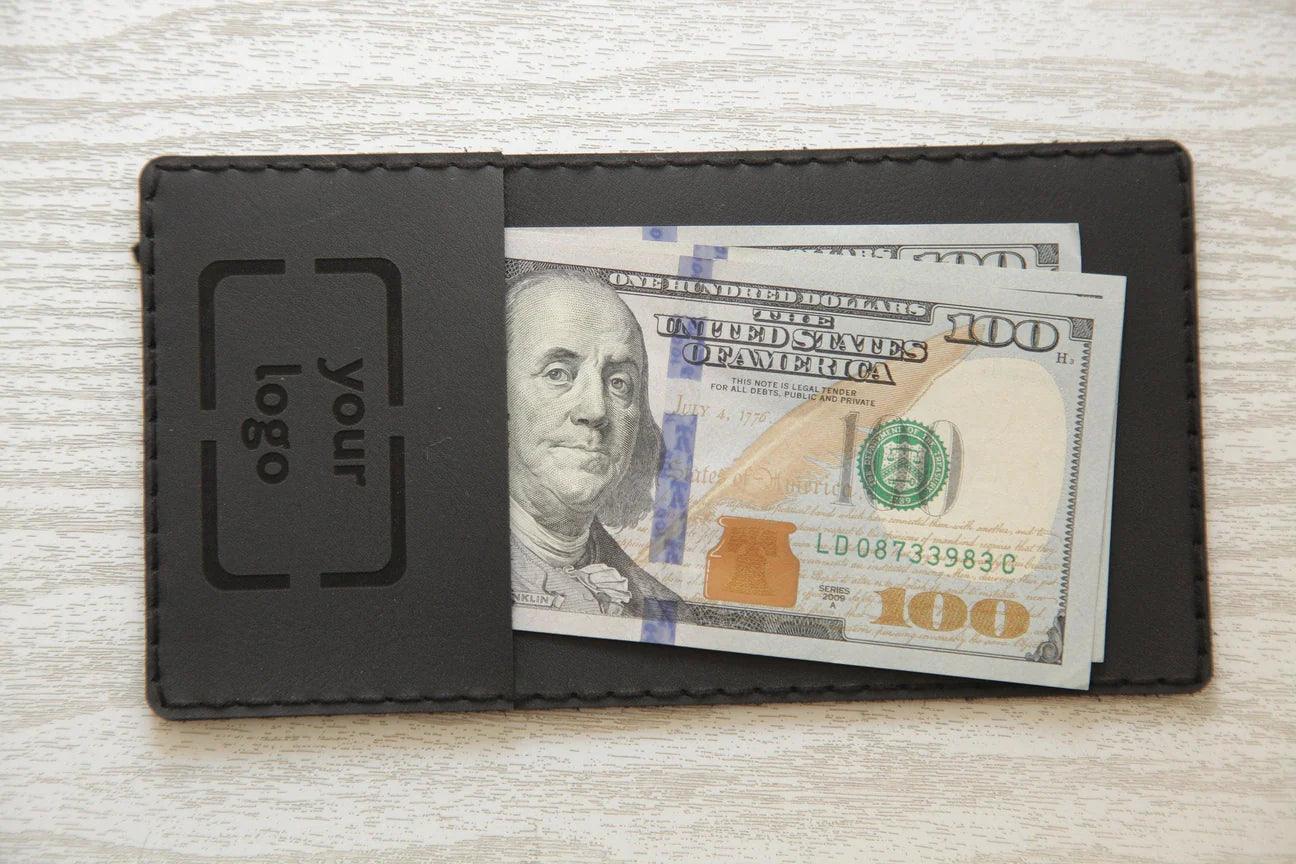
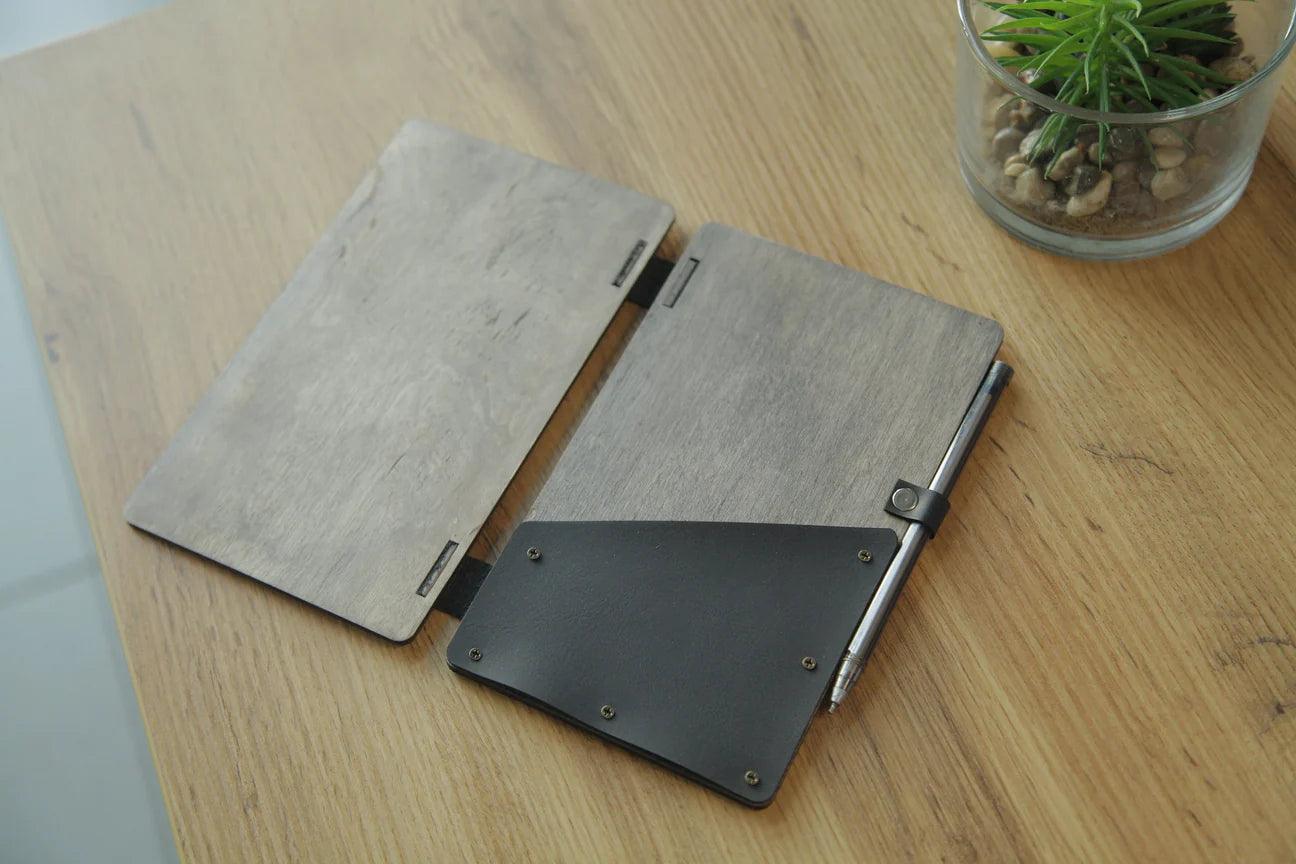
Laminated inserts or wipe-clean surfaces are practical for high-volume bars. If you're running a higher-end cocktail program, wooden boards with printed cards in protective sleeves offer both durability and an elevated feel. Leather holders resist moisture well and communicate sophistication — appropriate for hotel bars, whisky bars, or any concept where craftsmanship is the story.
Size and Format
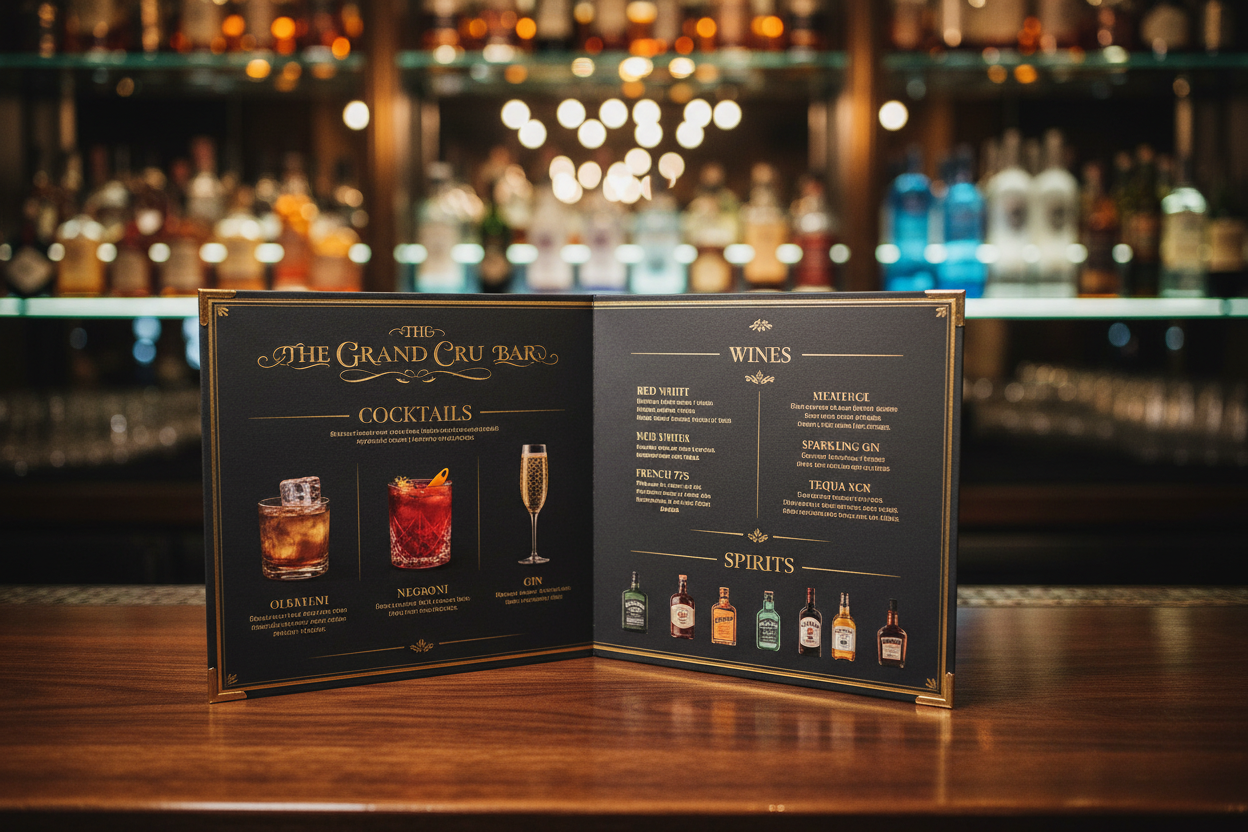
Large, sprawling menus are difficult to handle at a bar where space is limited. Single-page, double-sided menus or small booklets work better than multi-page formats, especially when you need a layout that adapts cleanly to print. A menu that can be propped up as a display on the bar also functions as passive advertising — guests see it before they're even seated, helping you connect with them early and leave a lasting impression.
QR Codes for Bars
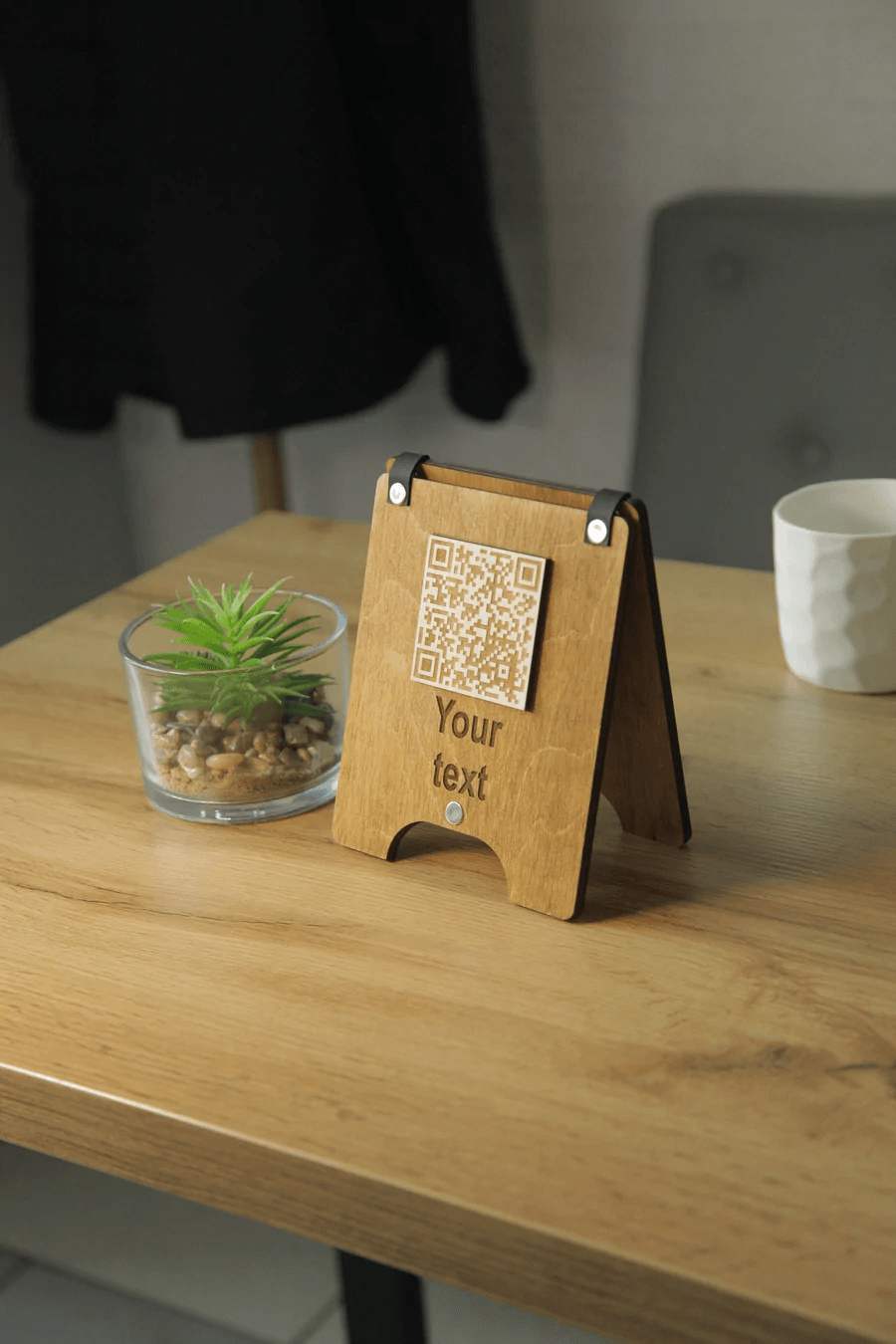
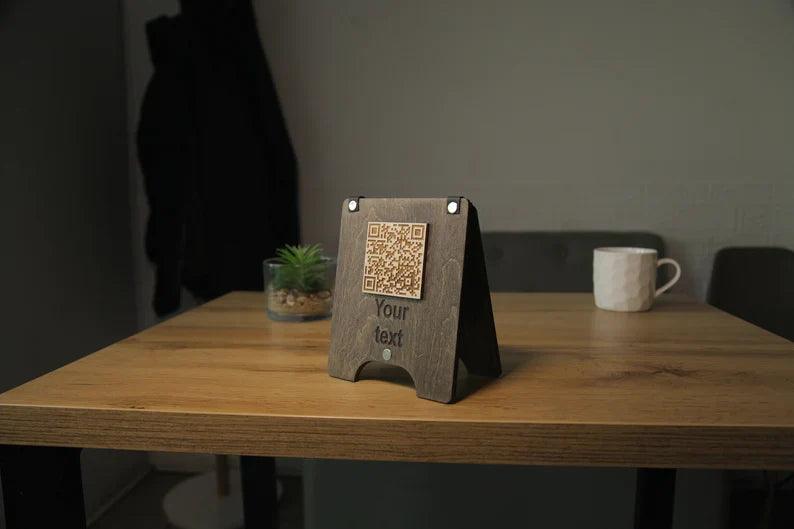
QR codes make particular sense at bars because they allow for easy, frequent updates without reprinting, and guests can open them in a browser on their phones. A rotating seasonal cocktail list that changes every few weeks is much easier to maintain digitally, and guests can access the latest menu on the web without waiting for new print runs. An engraved or wooden QR code holder on the bar looks intentional rather than afterthought, and it keeps the physical environment clean while also linking to websites or other digital menu destinations if needed.
Pricing Strategy in Bar Menus
Pricing presentation affects perception of value more than the numbers themselves, especially because guests make faster value judgments in real time at the bar. A few principles:
-
Remove currency symbols — studies show that $ or £ signs activate mental 'pain of paying' responses. '14' outperforms '$14'
-
Anchor high — list your most expensive drink near the top of a category, so everything else feels reasonable by comparison
-
Round numbers read as premium; odd numbers read as calculated. '18' feels like a considered choice; '17.50' feels like cost-plus pricing
-
Bundle suggestions (e.g., 'pairs well with our charcuterie board') increase average check without menu clutter and can elevate average spend while still reading naturally to guests
Upselling Special Offers Through Menu Design
The most effective upsell mechanism in a bar menu is the 'upgrade path': a house version of a drink next to a premium version, with a clear reason to go up, helping create a more persuasive choice architecture for upselling. 'Made with Bulleit Bourbon — add 4 to upgrade to Eagle Rare 10' is more effective than a separate premium section because it meets the guest at the moment of the original decision.
This approach can save staff effort by letting the menu do more of the selling work.
Other high-converting design choices:
-
'Bartender's recommendation' callouts on 2-3 items per category
-
Tasting flight options for spirits or wine — lower barrier to trying multiple products
-
Seasonal specials boxed separately from the main menu — scarcity and novelty both drive orders, and the placement helps highlight rotating items and promotions
Bar menu design is one of the highest-leverage investments a bar owner can make. Unlike hiring more staff or renovating the space, a well-designed menu costs little to produce but can meaningfully shift what guests order and how much they spend. The best bar menus don't feel like design work — they feel like a good conversation with a knowledgeable bartender.